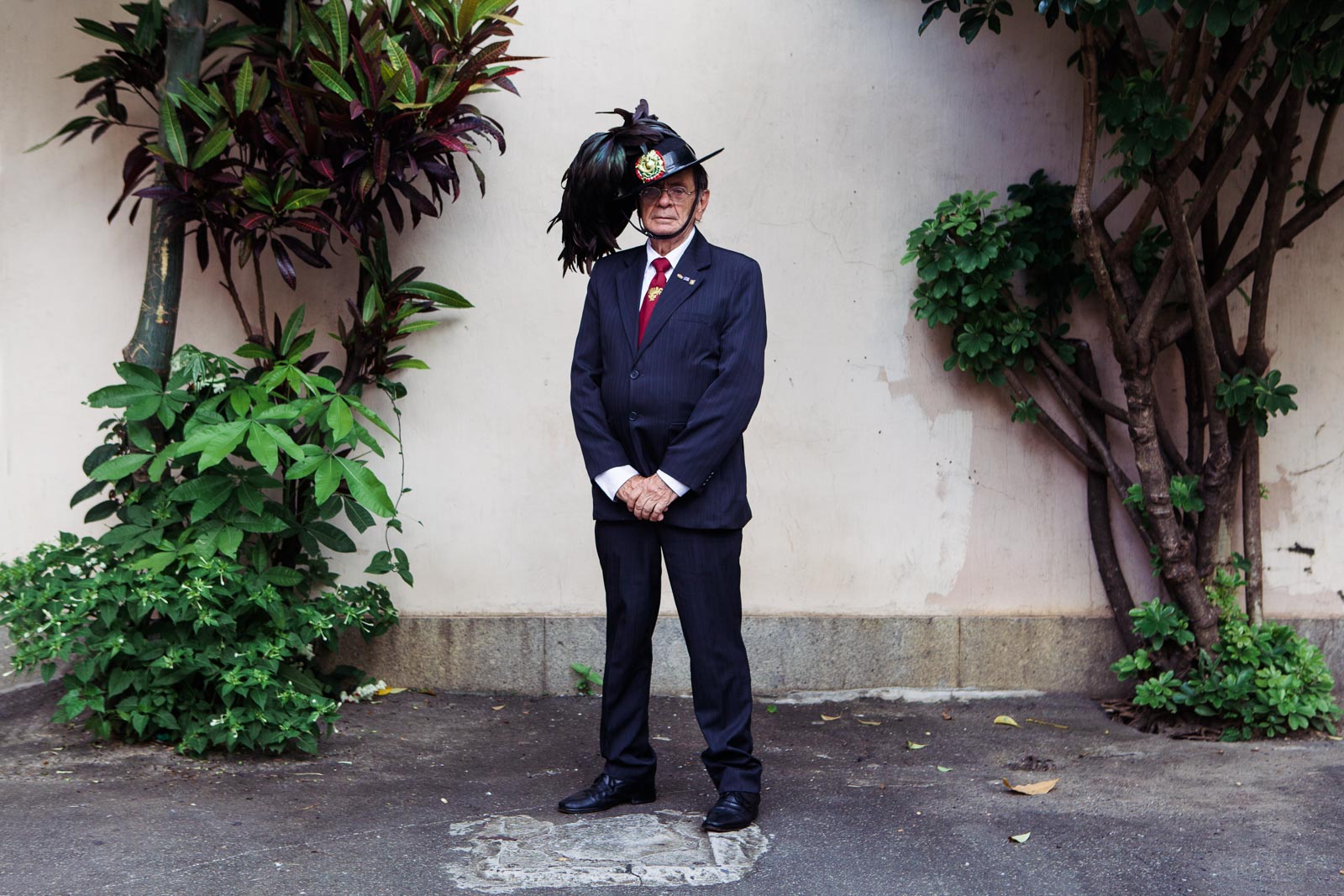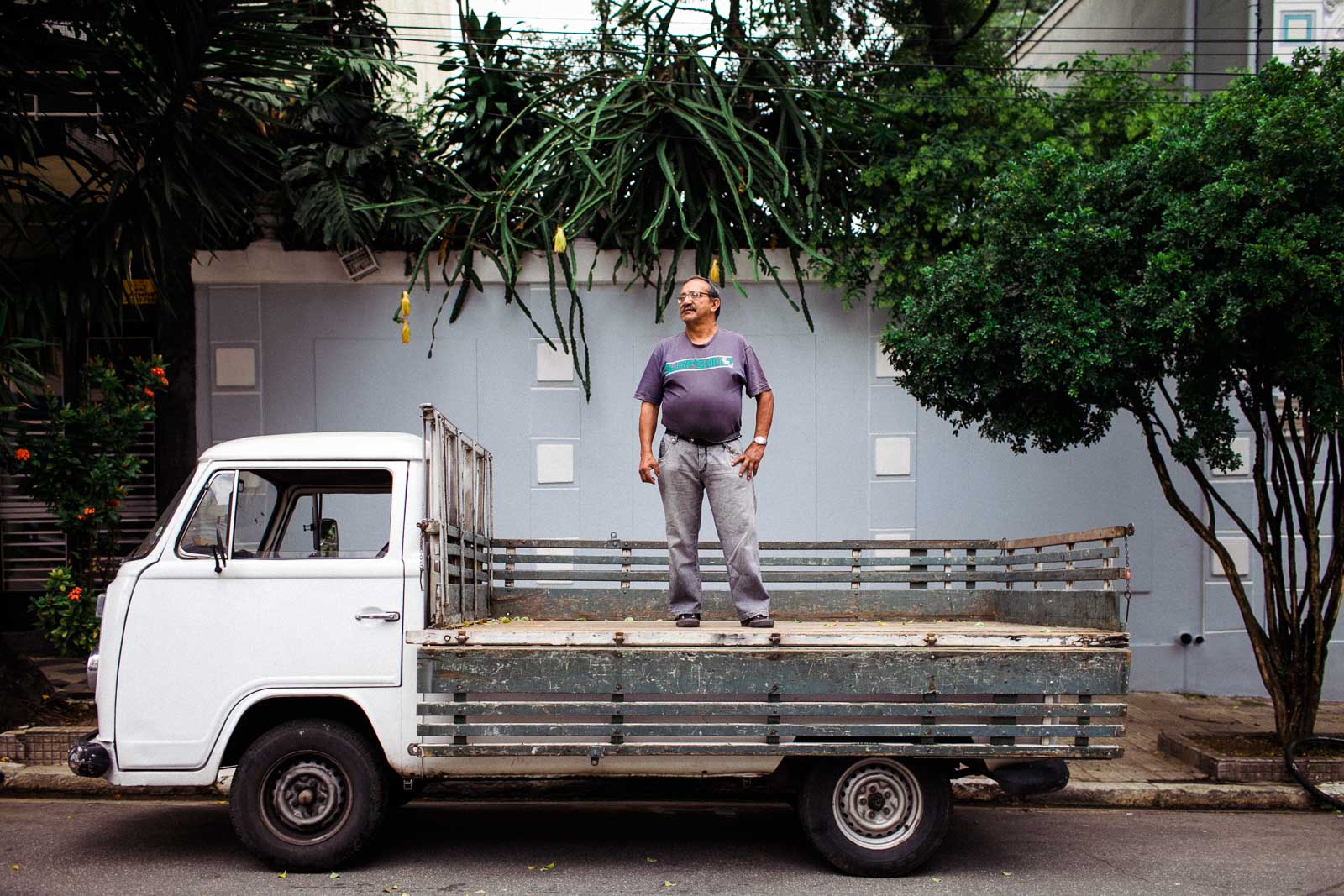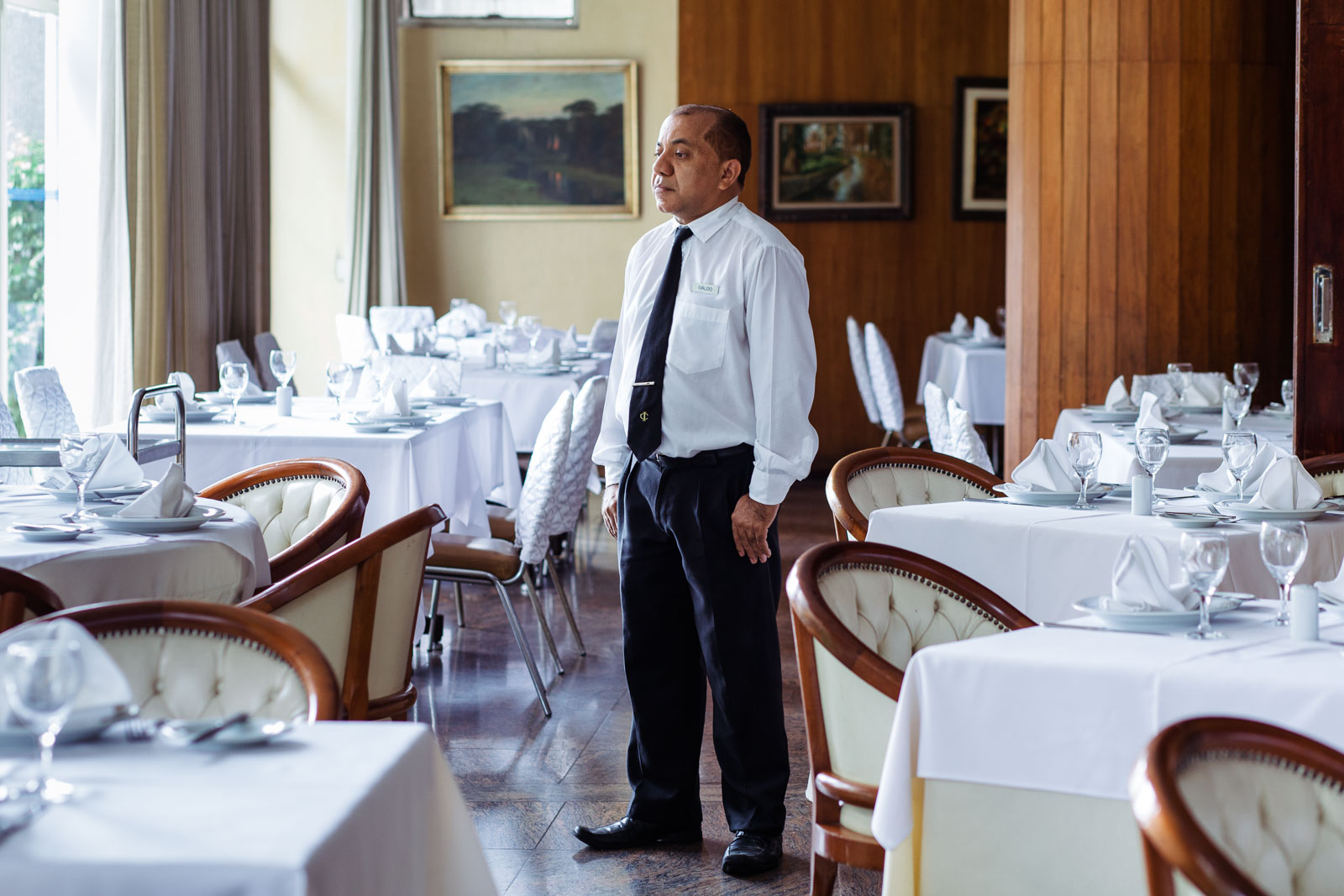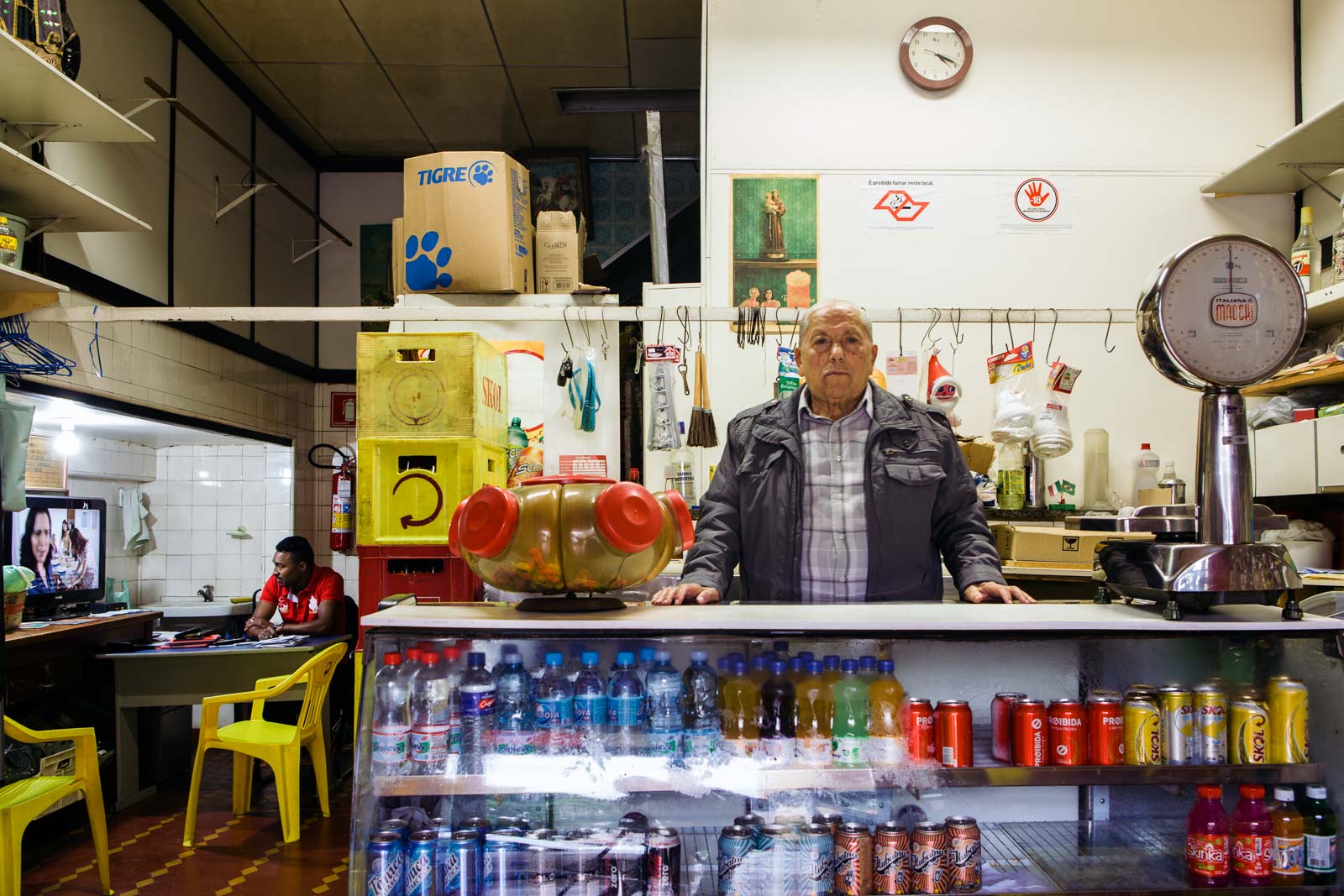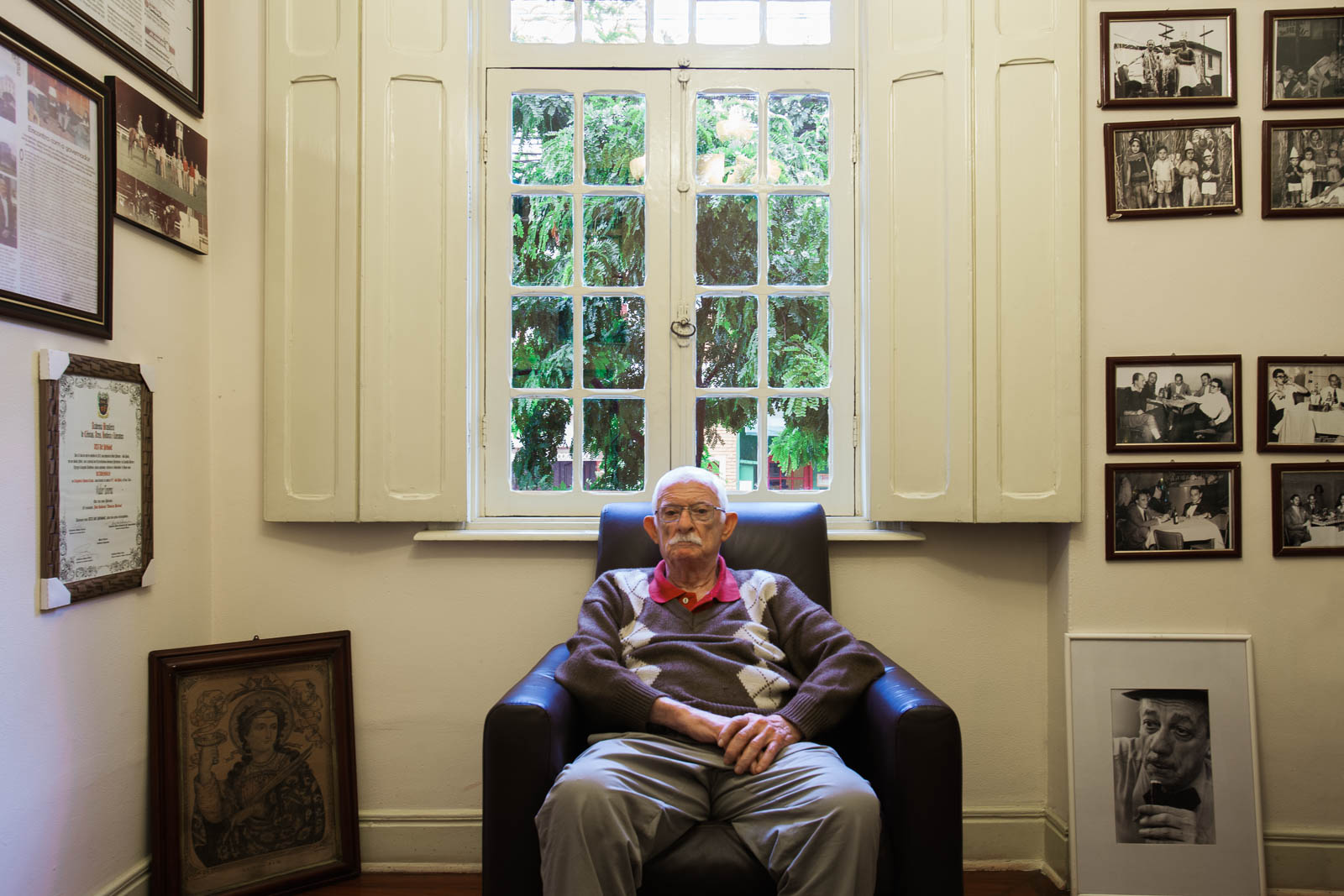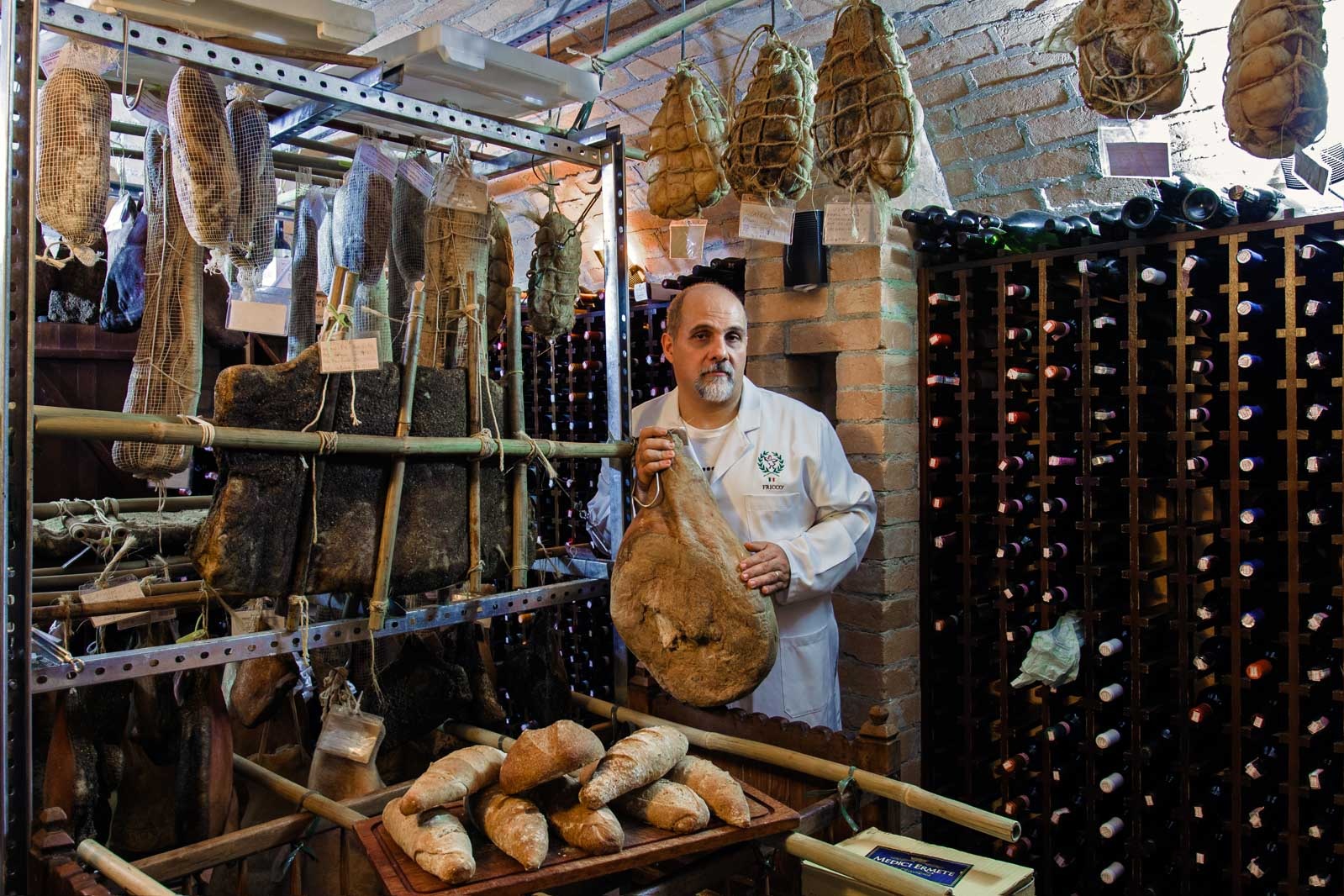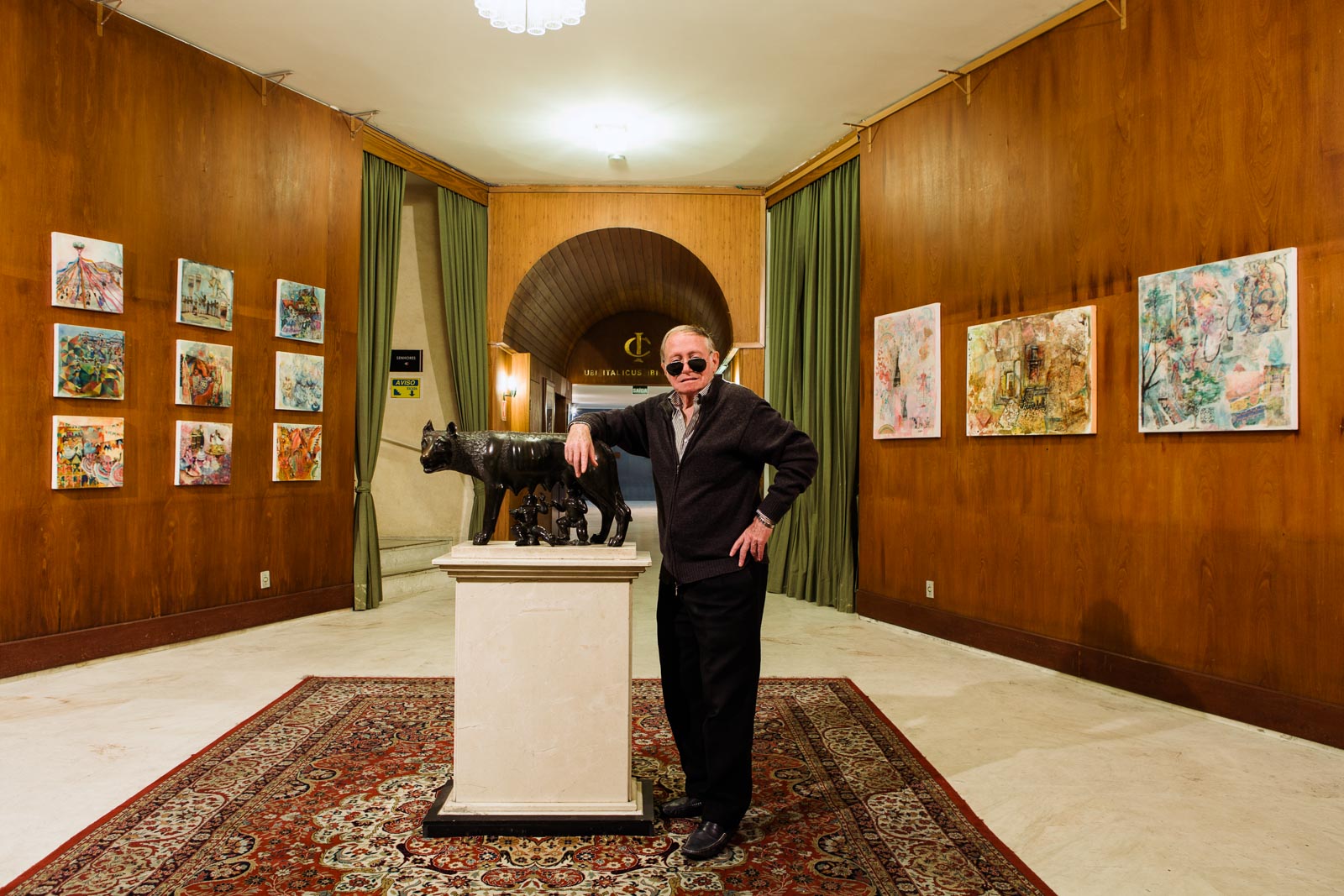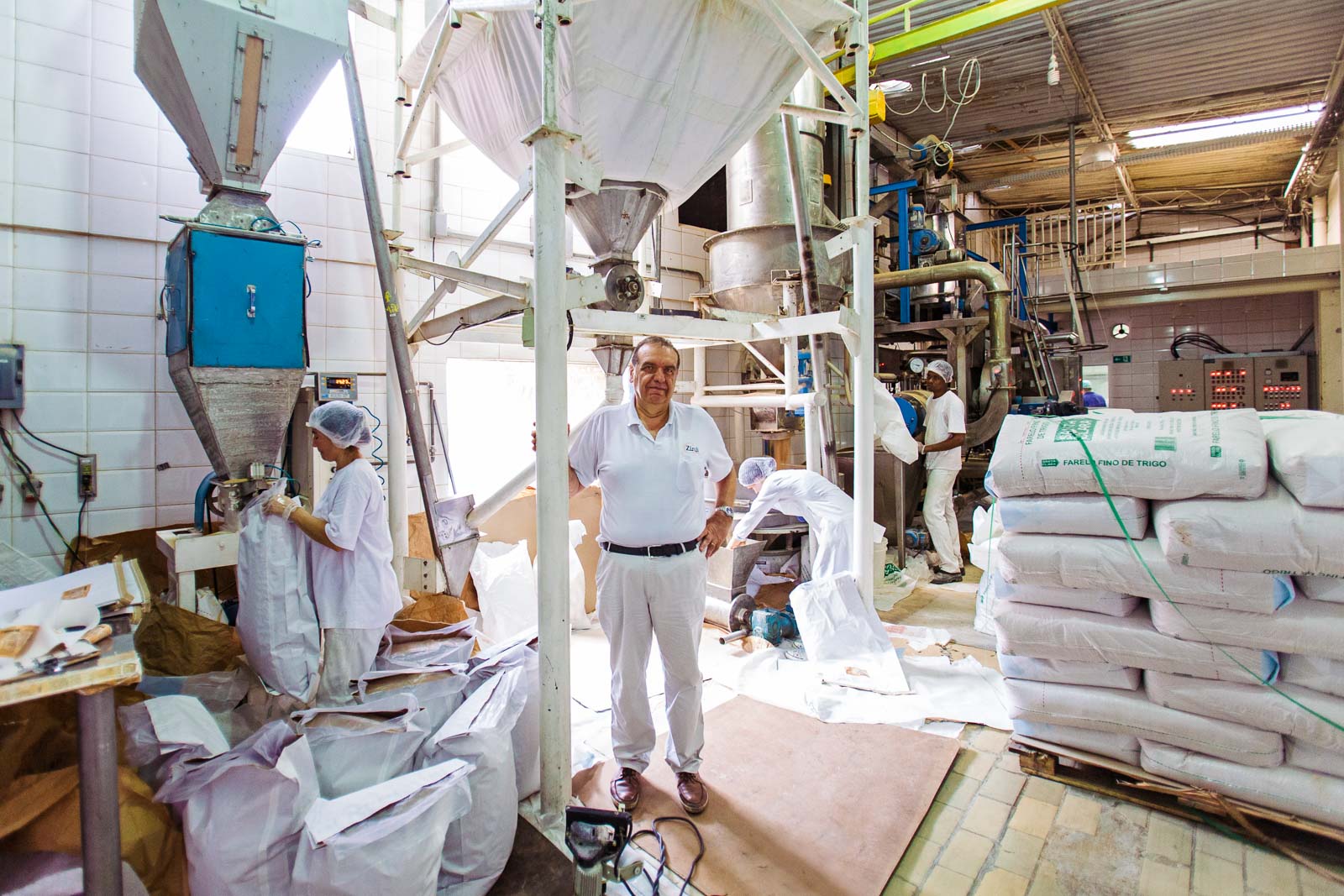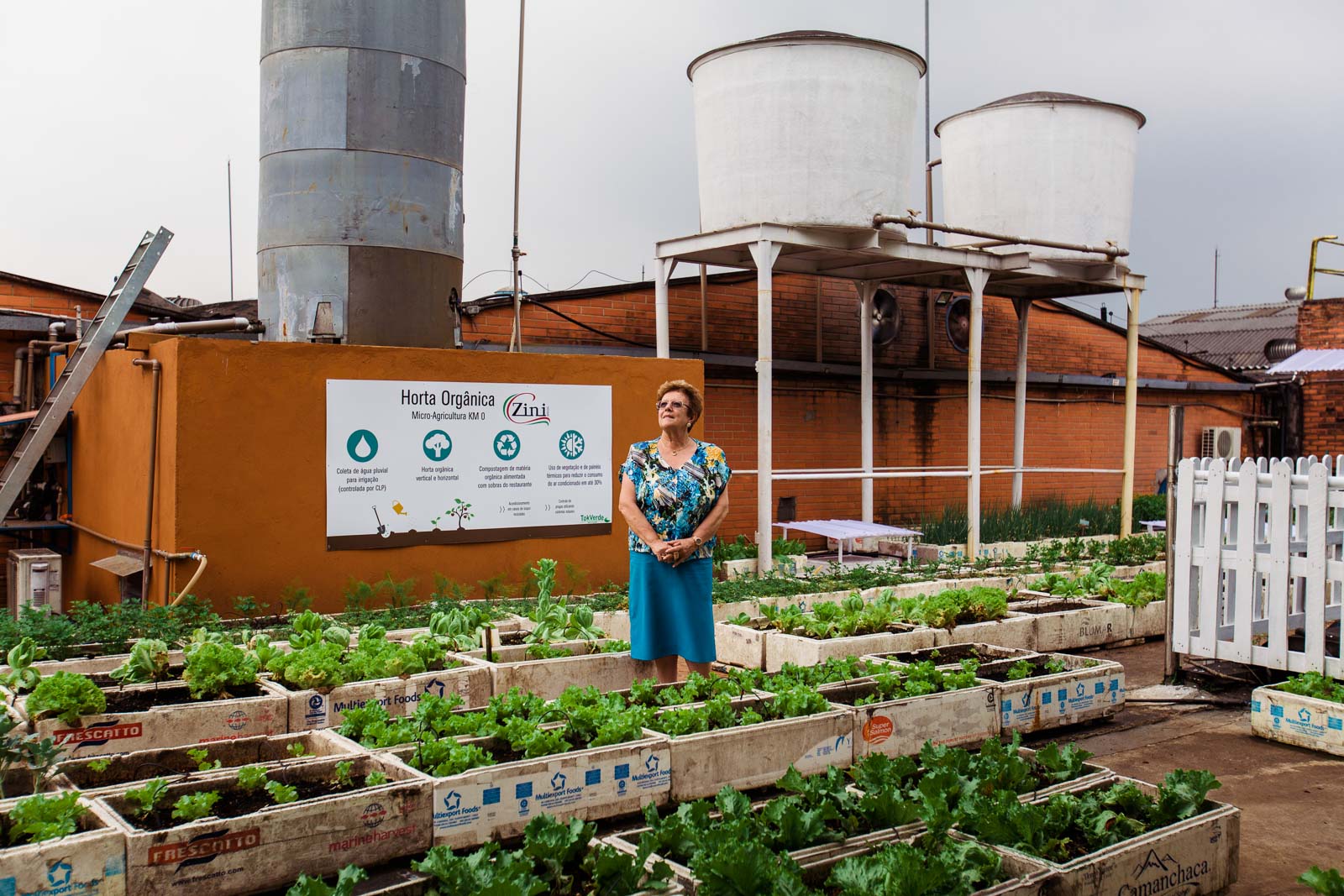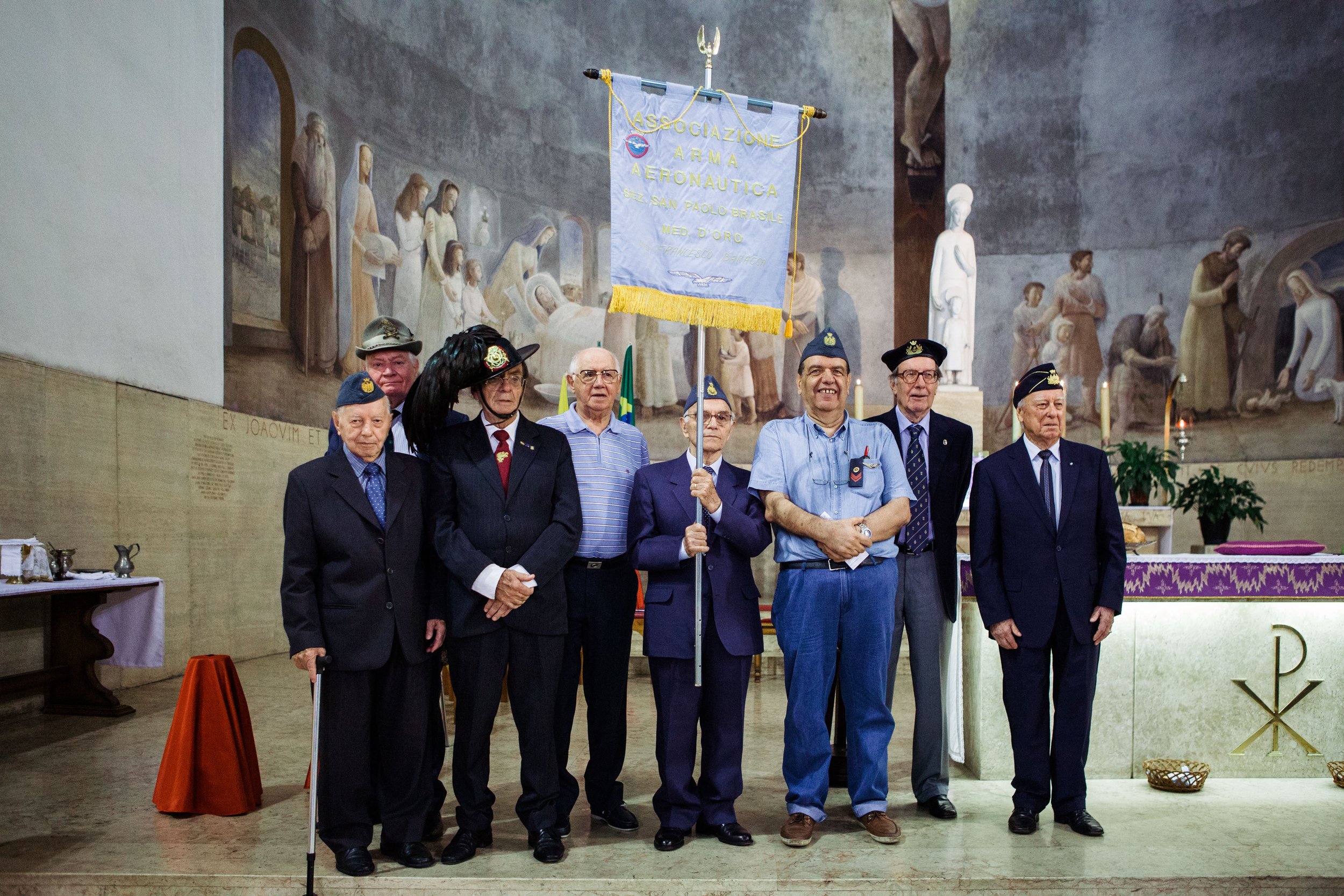
Italian immigration to Brazil officially began in 1877, when the first records of Italian migrants arriving at the port of Santos appeared. Nearly 150 years later, around 30 million Brazilians are of Italian descent, approximately 15% of the country’s population, with half living in the state of São Paulo. Italians played a significant role in Brazil’s economic and social transformation, particularly after the abolition of slavery, when coffee plantation owners sought new workers. Many immigrants moved from rural areas of Italy, bringing their language, traditions, culture and religion to their new home.
Not everyone could endure the harsh working conditions on the plantations. Some returned to the cities and found employment in Brazil’s emerging industries. By 1912, more than half of the factory workers in São Paulo’s textile industry were Italian or of Italian descent. Immigrants also brought their religious traditions, building churches that became parishes and centers of community life. Their devotion shaped the city’s religious calendar, with celebrations dedicated to Our Lady of Casaluce and Saint Vito in Brás, Saint Januarius in Mooca, and Our Lady of Achiropita in Bixiga.
During World War II, Brazil joined the United States and its allies against the Axis powers. The Italian language was banned in public life, and those caught speaking it could be detained and taken to a prison ship in Santos. One of São Paulo’s most important football clubs, Palestra Italia, was forced to change its name to Sociedade Esportiva Palmeiras.
After the defeat of fascism, Italian communities gradually regained their freedom to express their cultural identity. A second major wave of immigration from Italy followed the war, continuing until the late 1960s, when Italy itself became a country of immigration rather than emigration.
While some immigrants achieved extraordinary success, such as Francesco Matarazzo, a farmer from Salerno who became one of Brazil’s wealthiest industrialists, many others arrived poor and remained so, working as cobblers, barbers, tailors, drivers, porters, bricklayers, carpenters and factory workers. Their stories are an essential part of Italian immigration to Brazil, a history shaped by both social mobility and hardship. Although immigration declined after the 1960s, Brazil has continued to attract people seeking new opportunities and a better future.