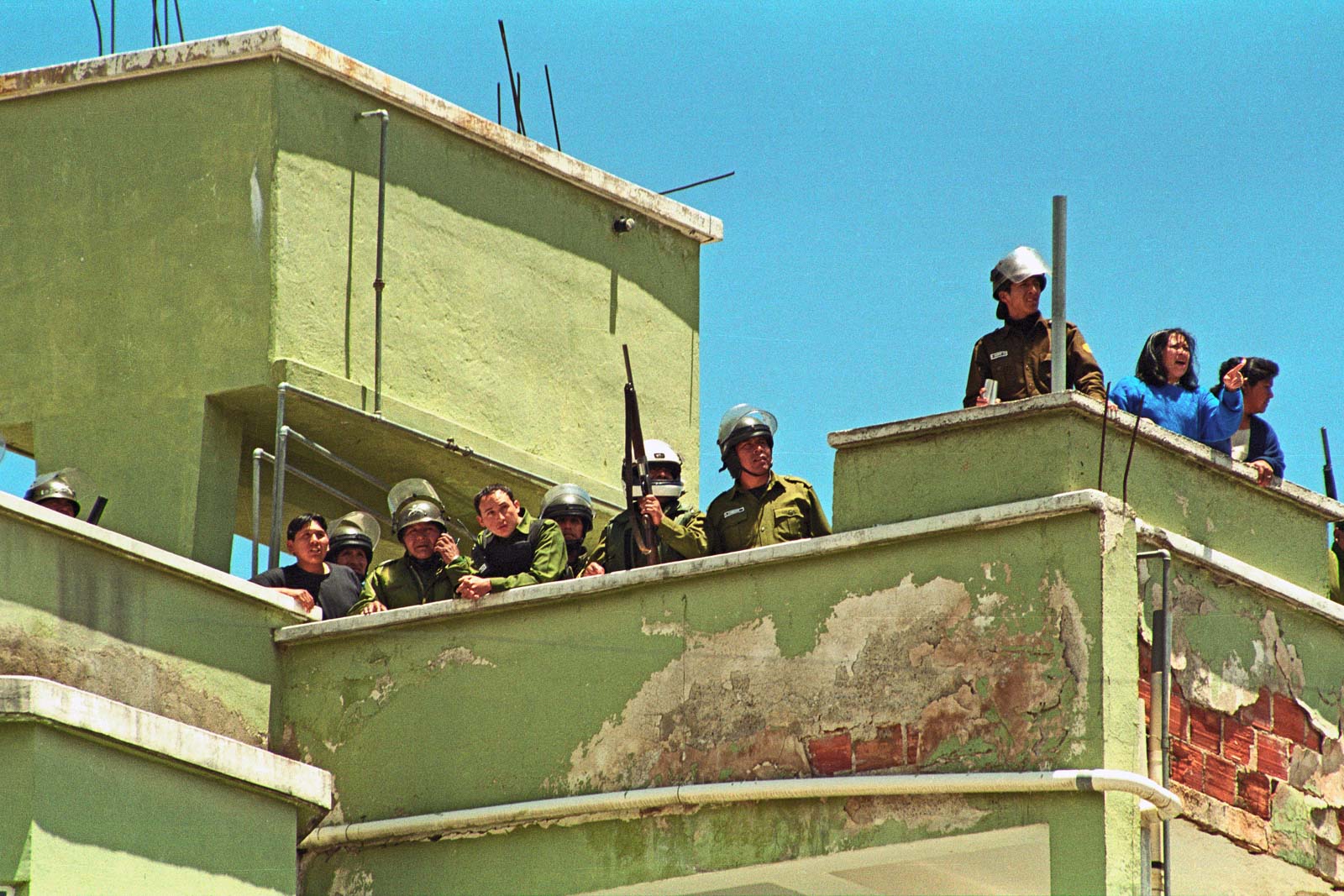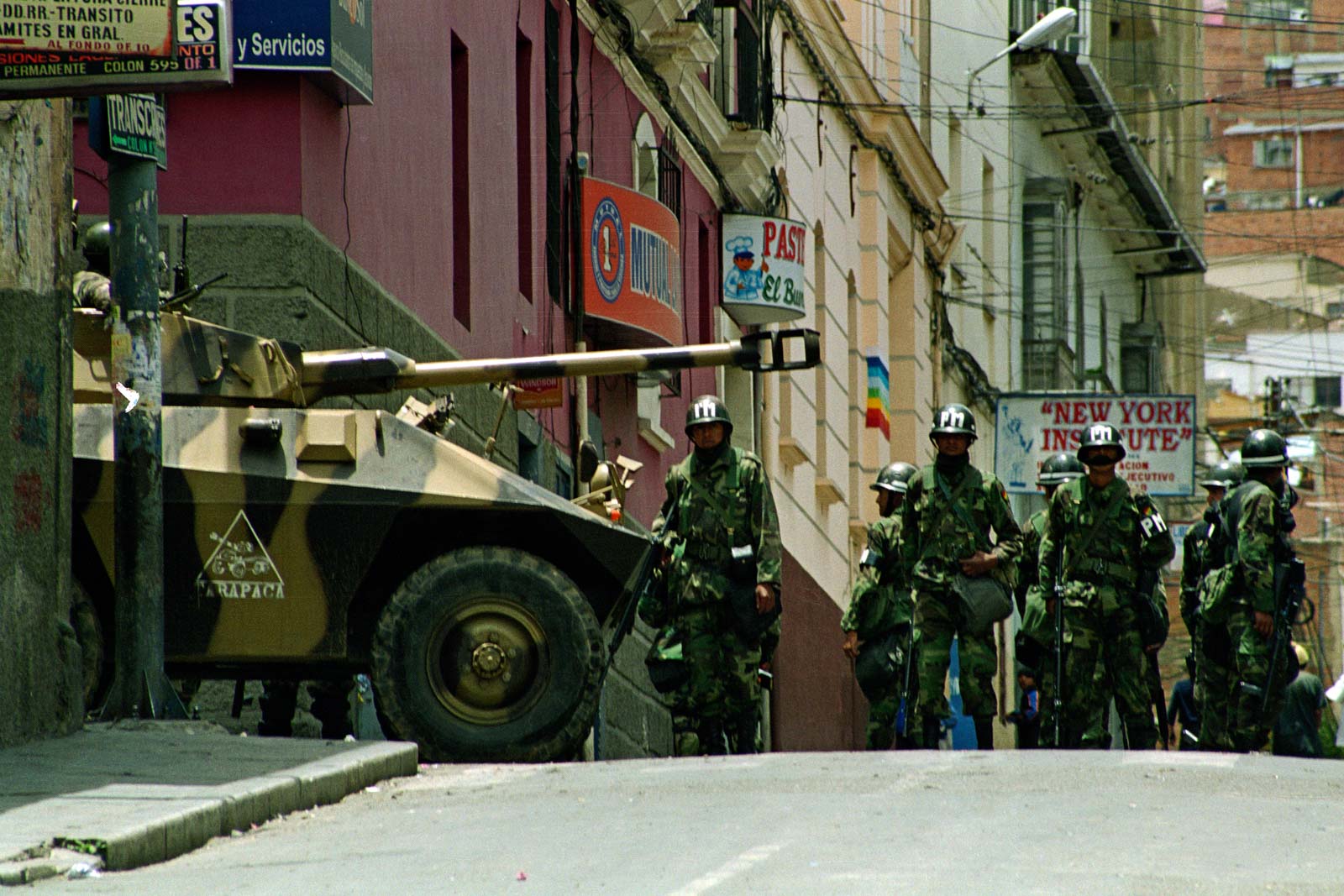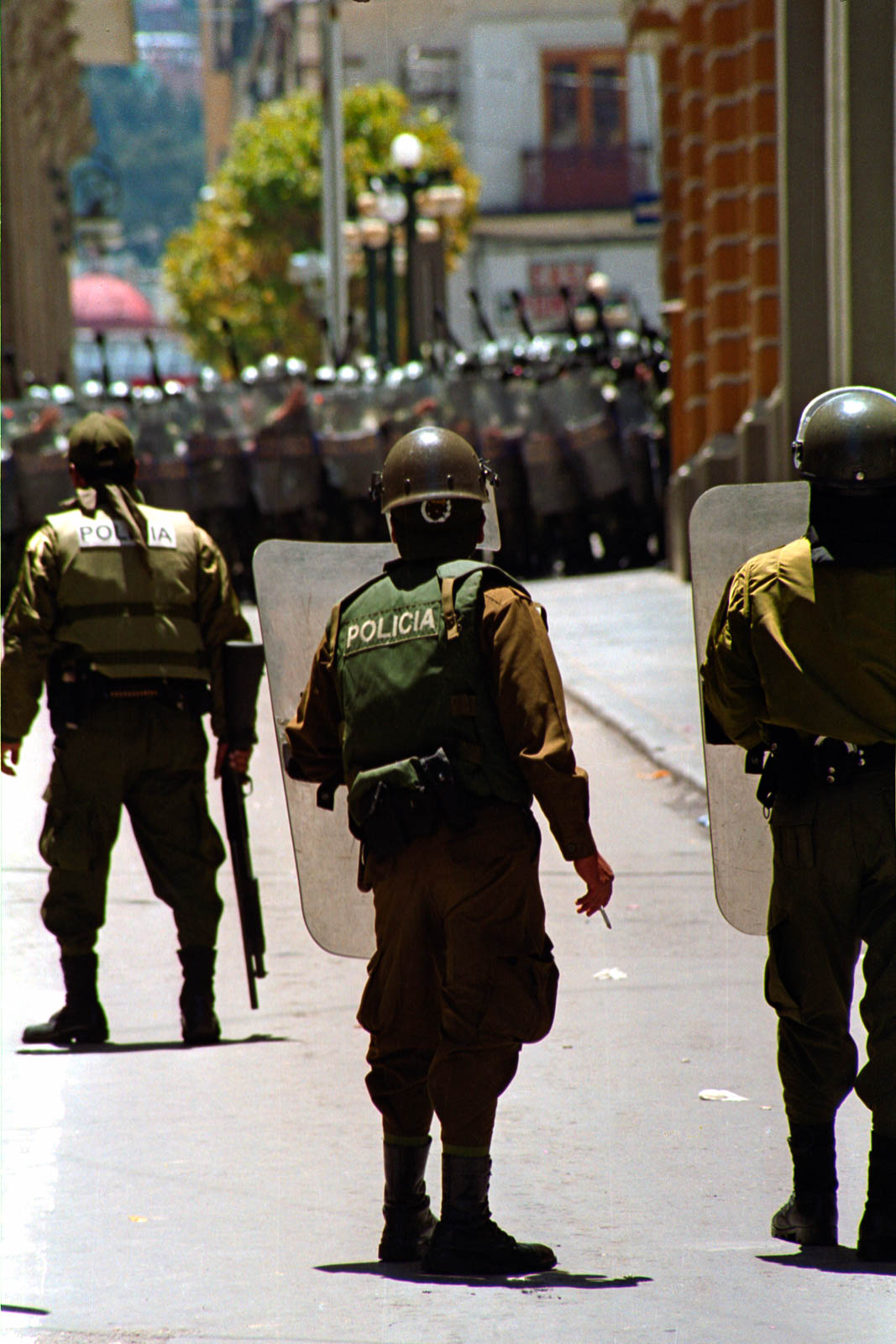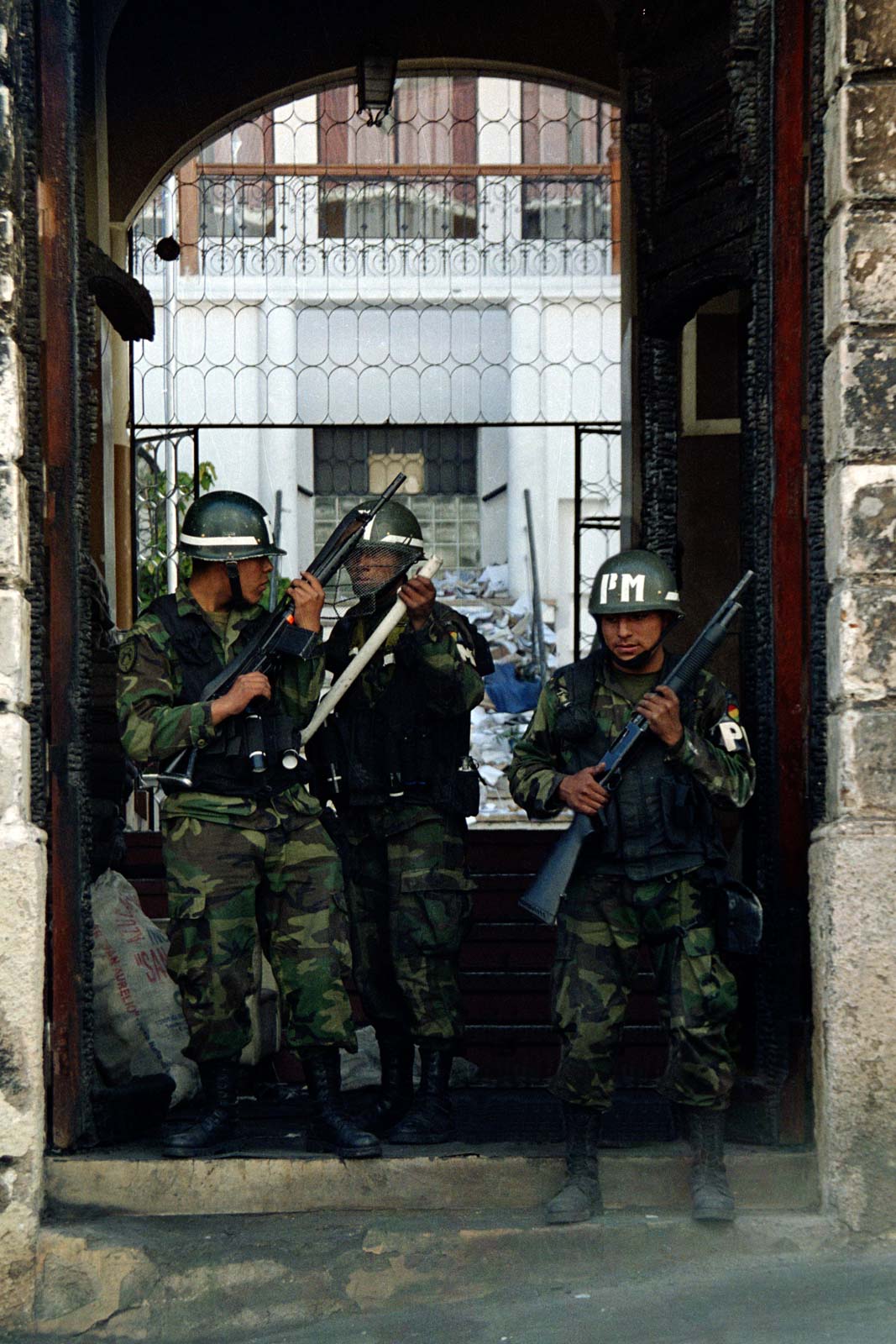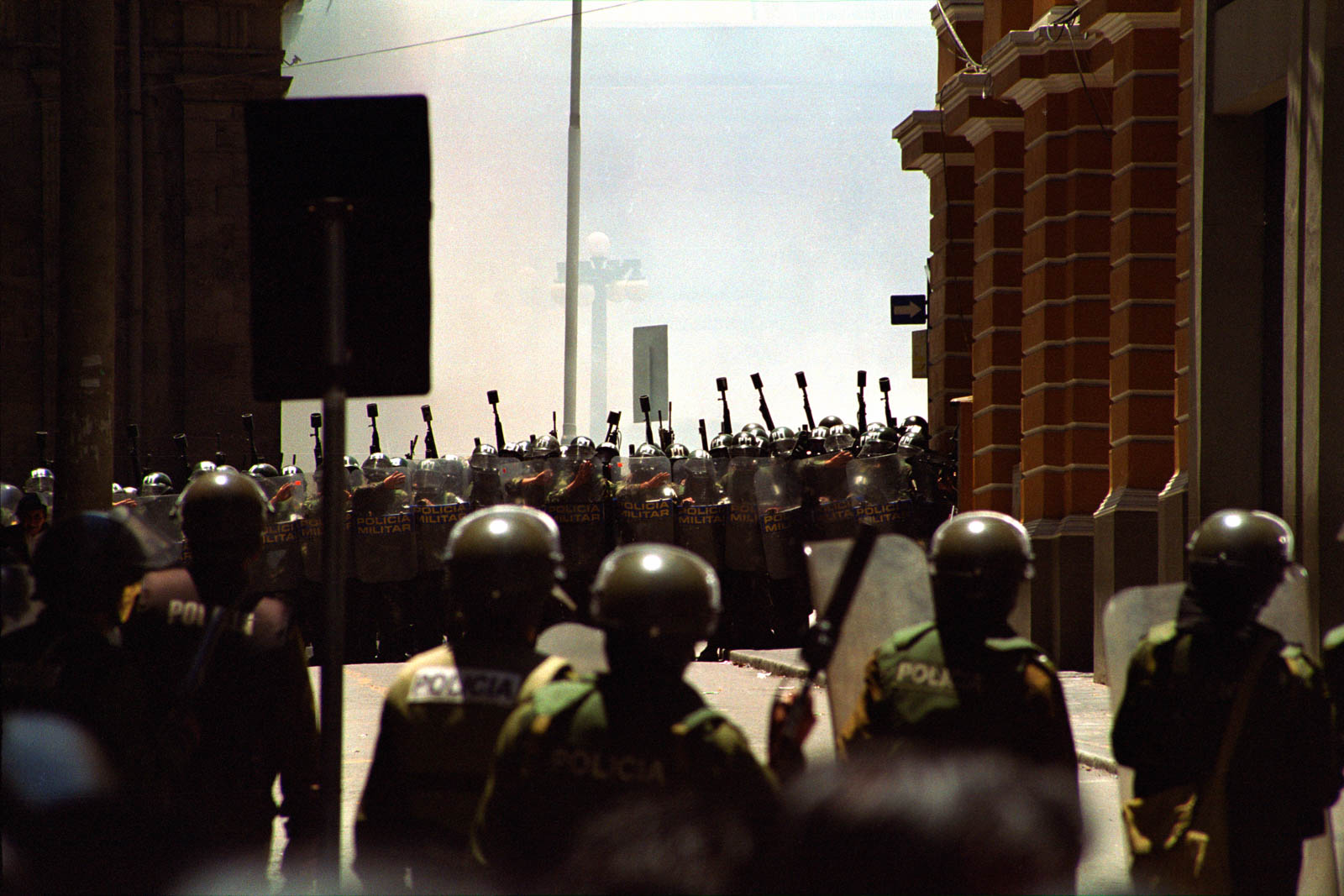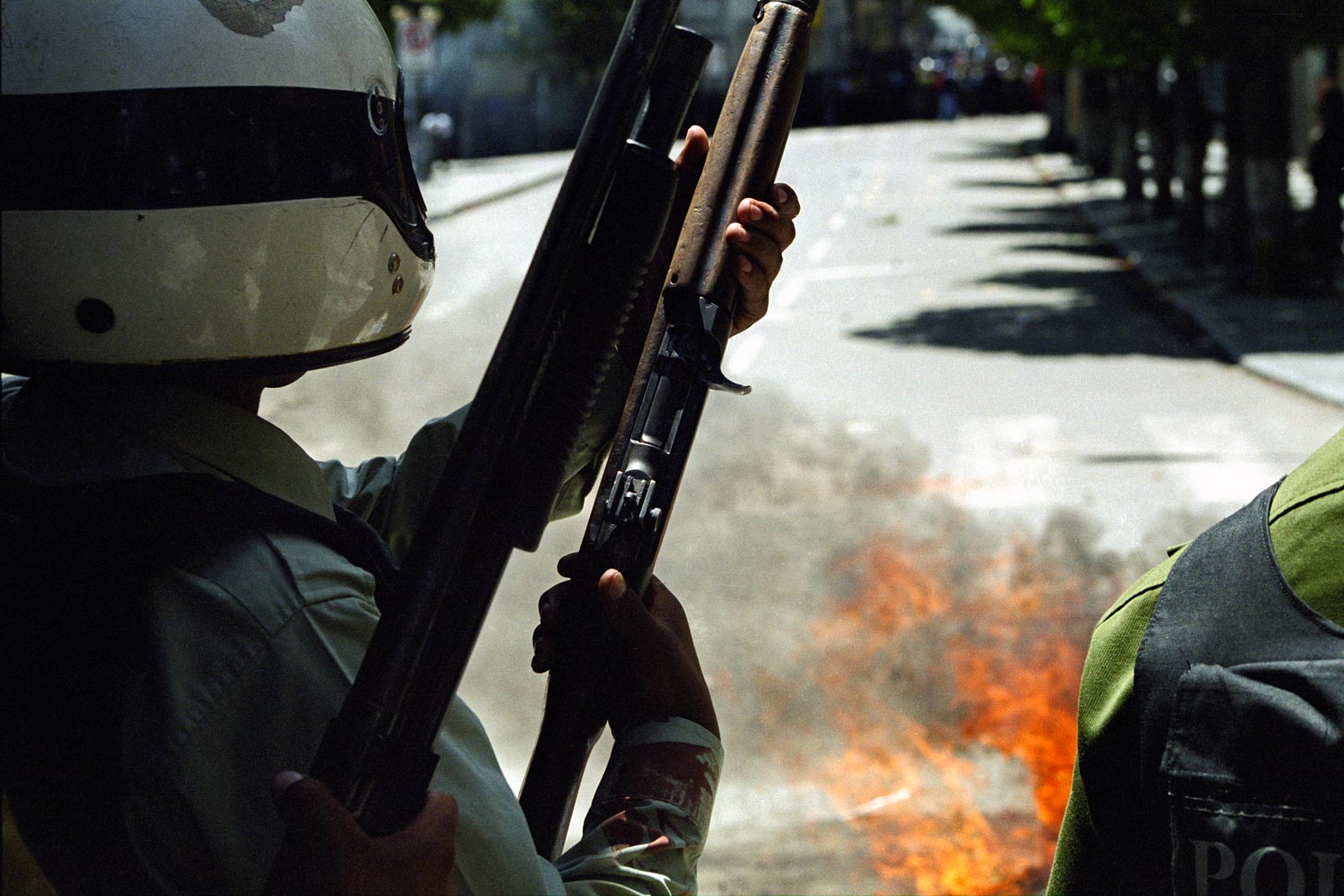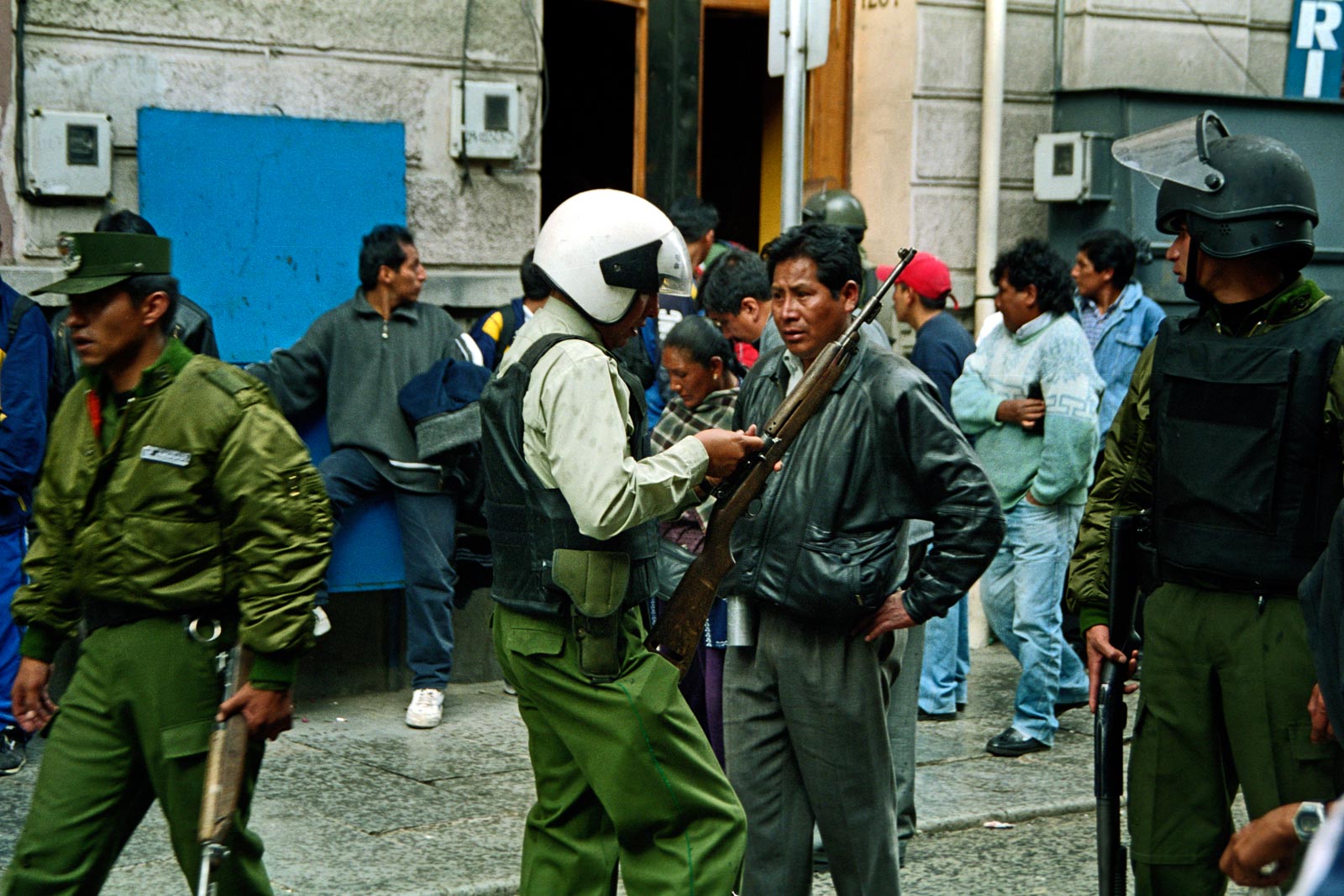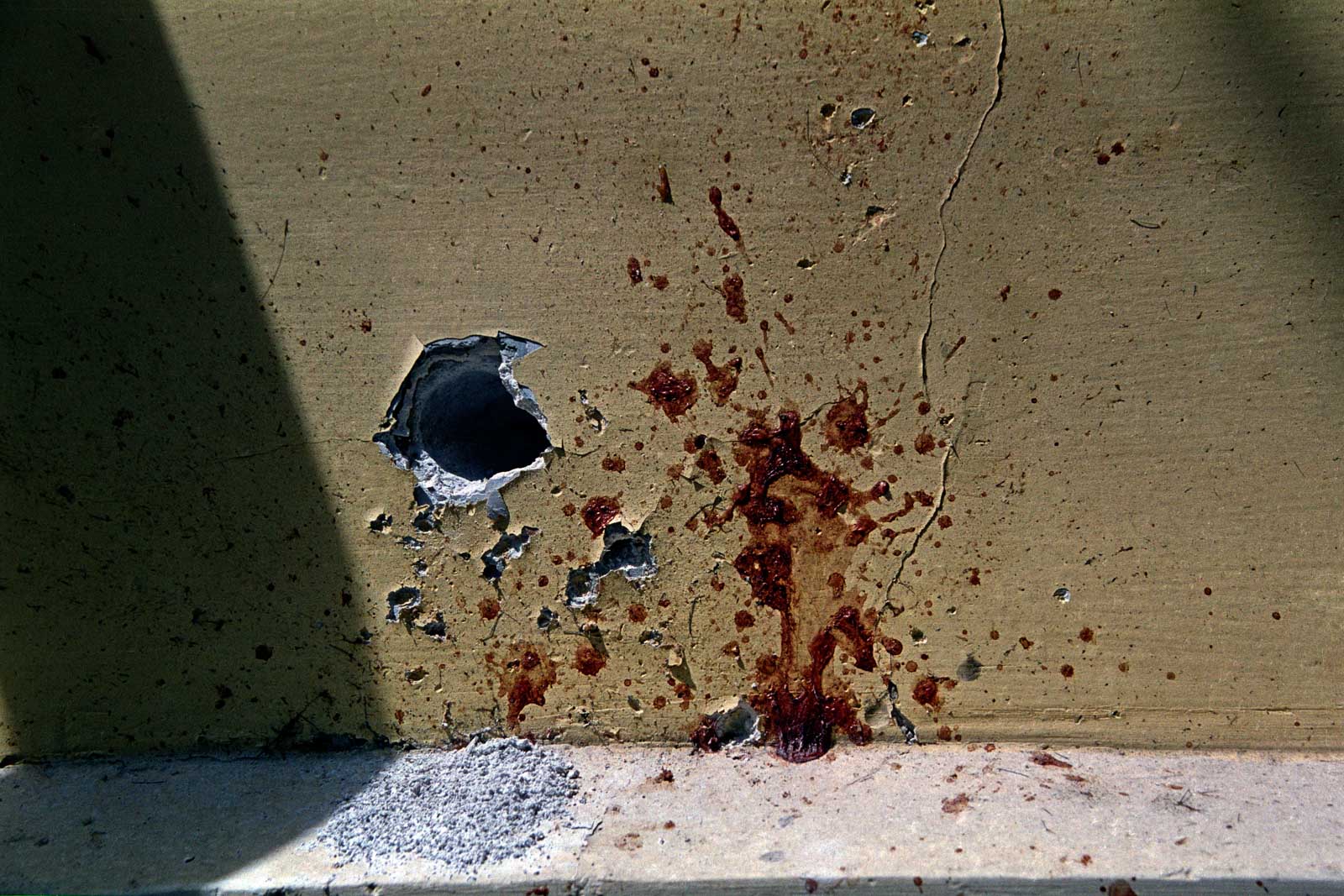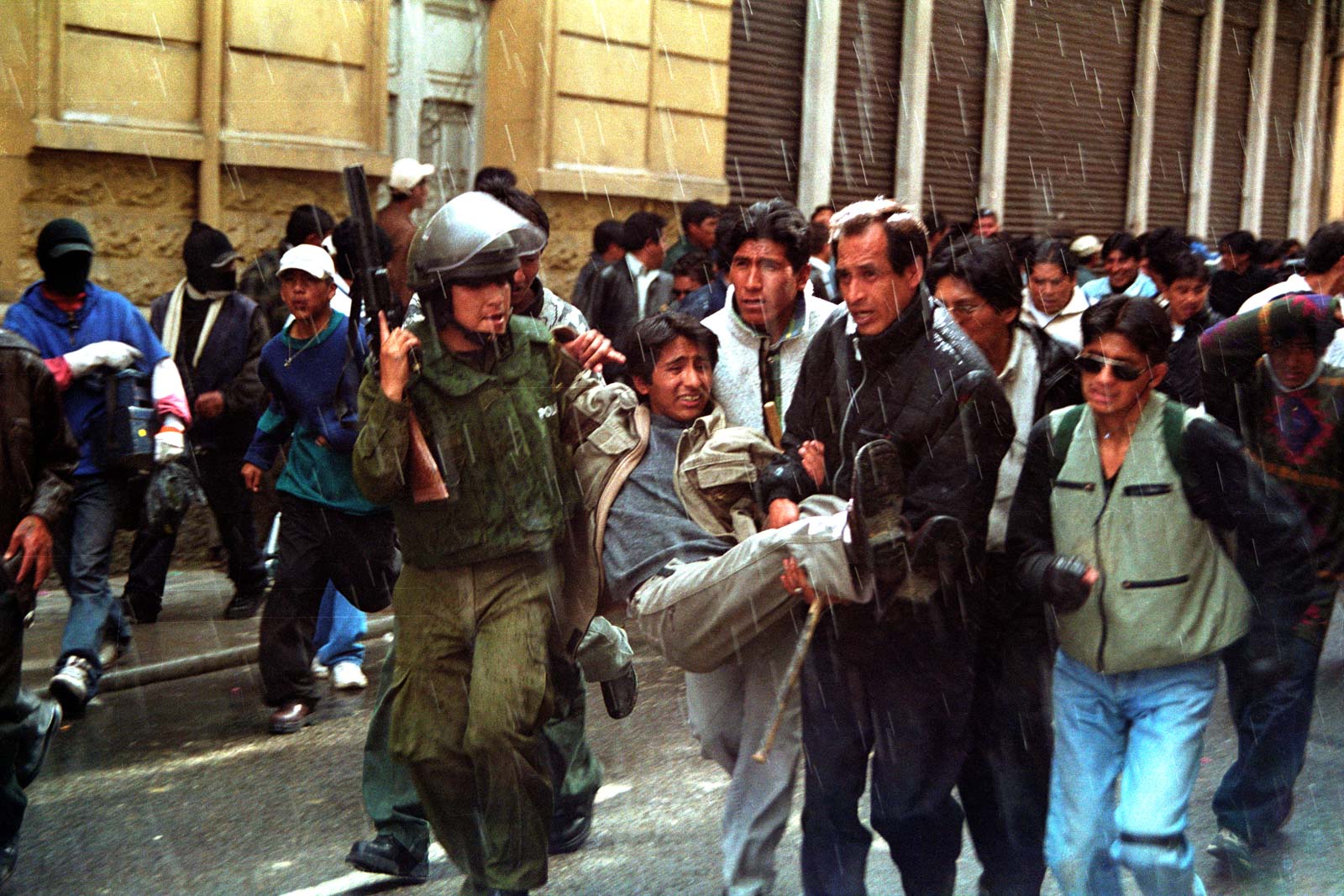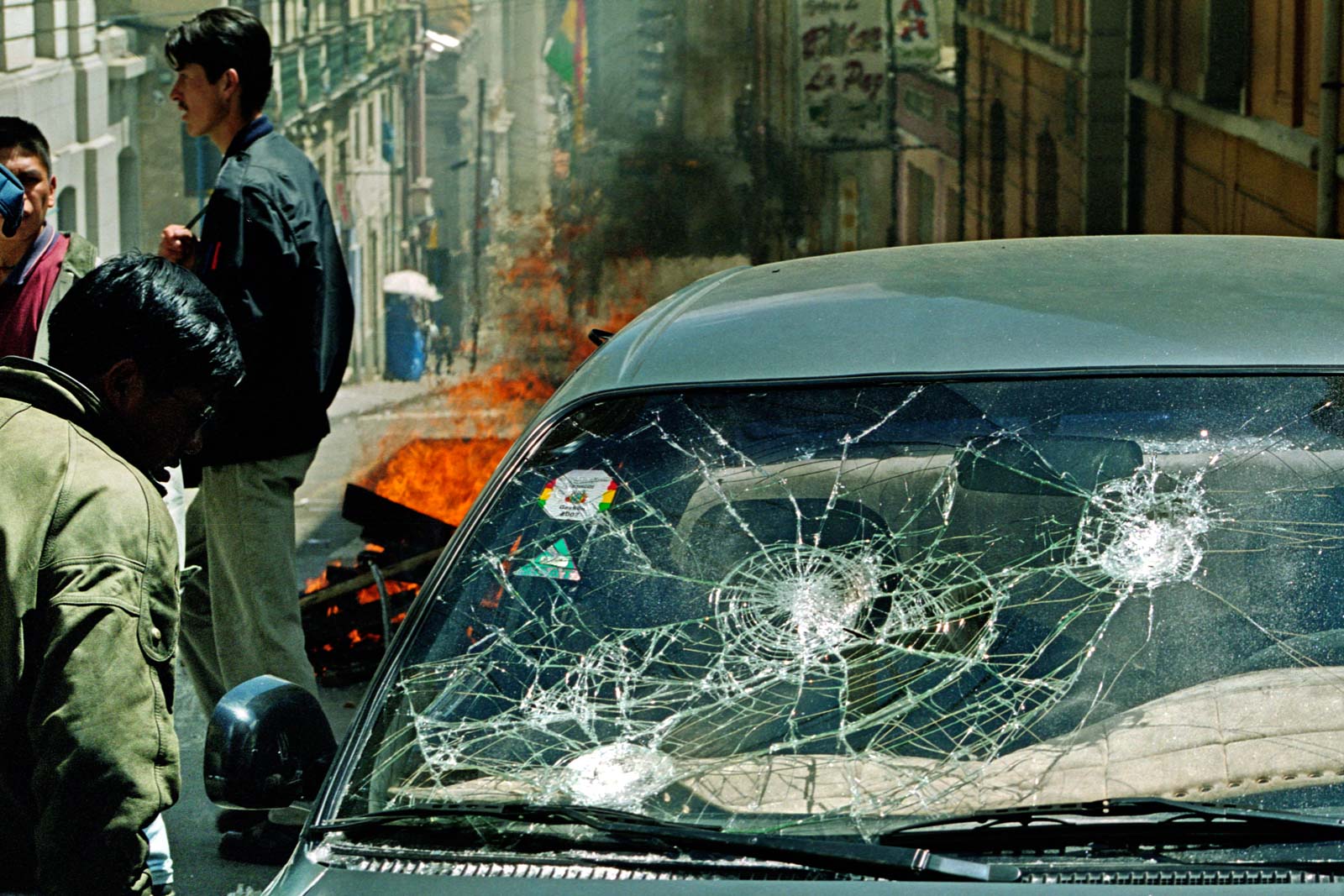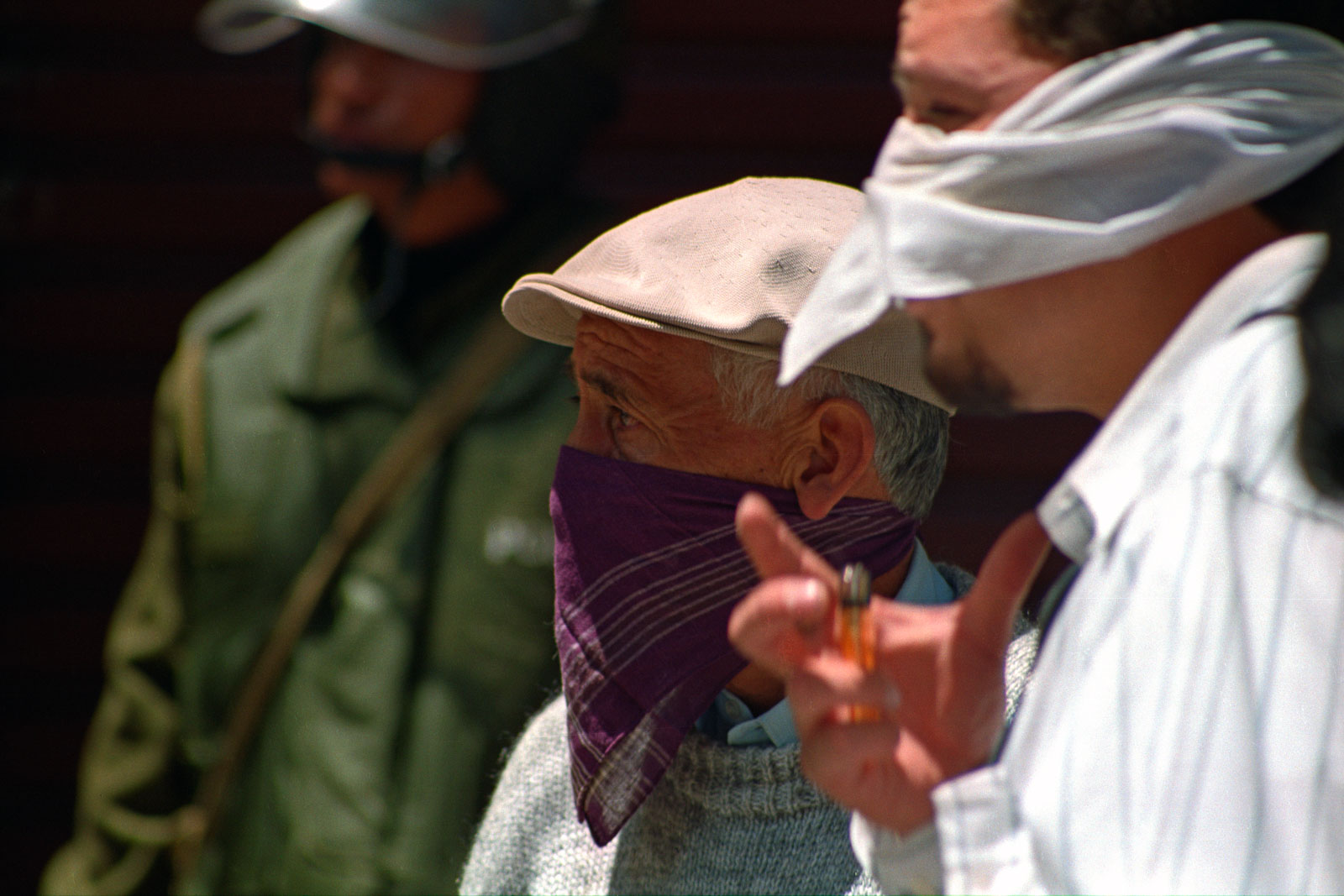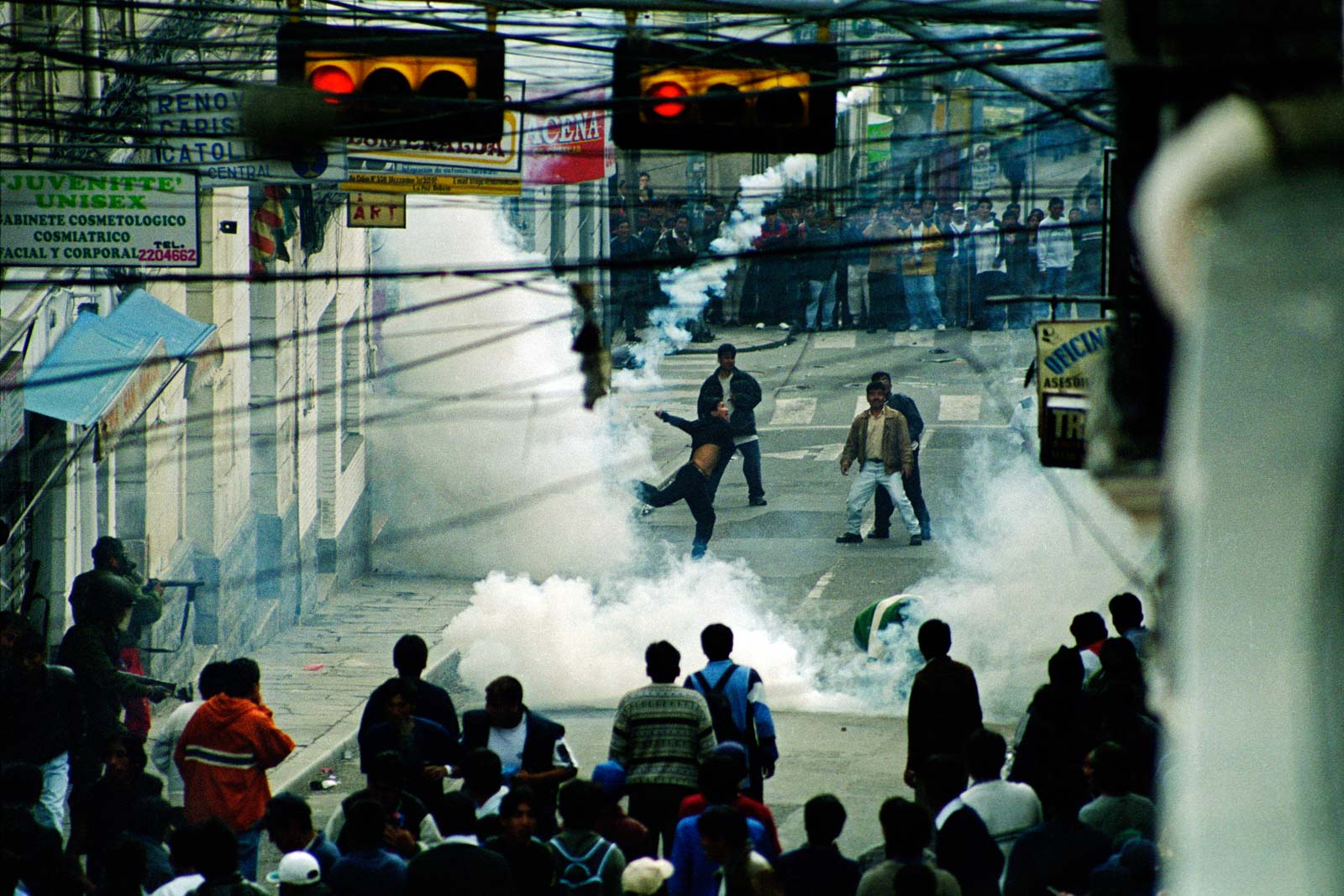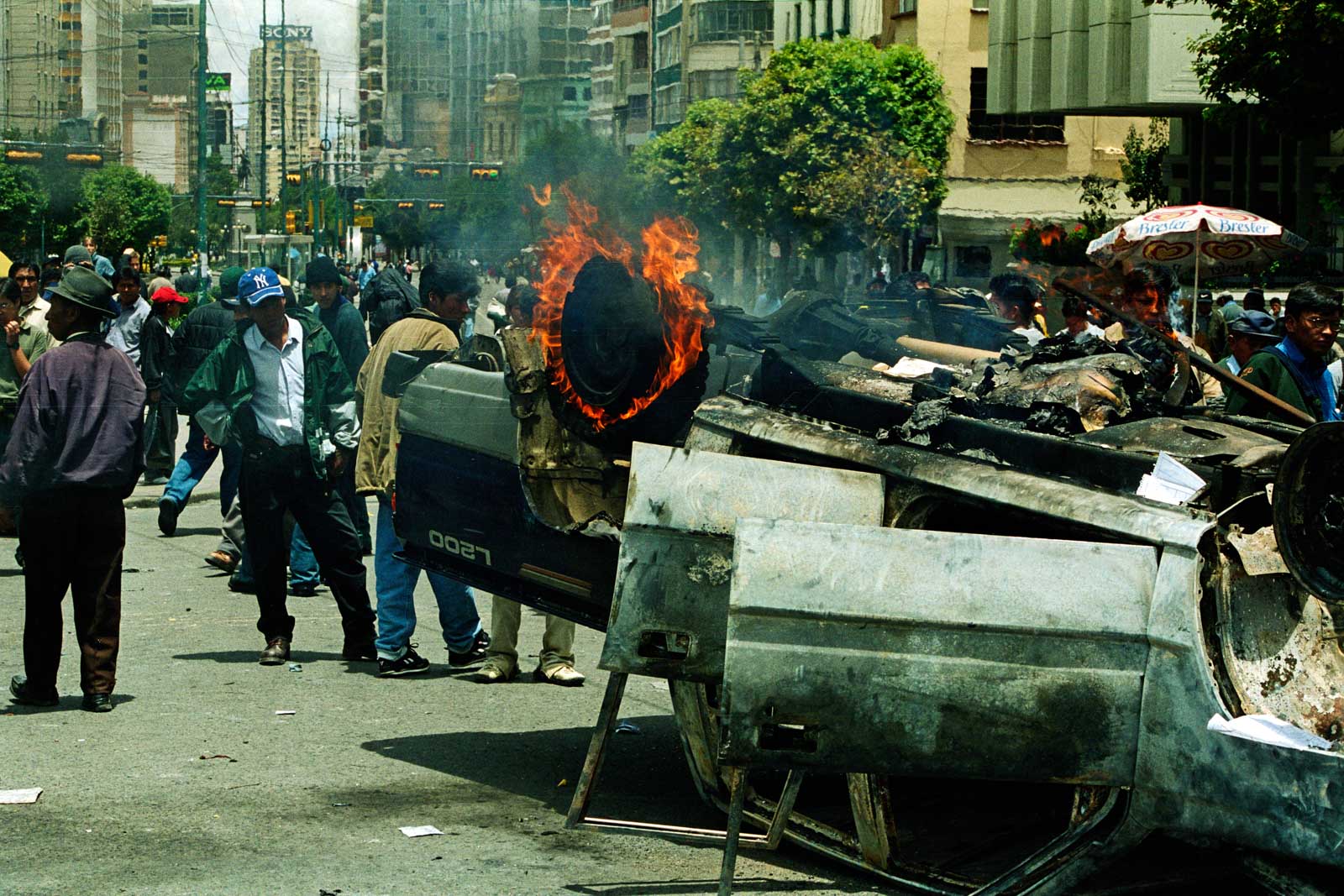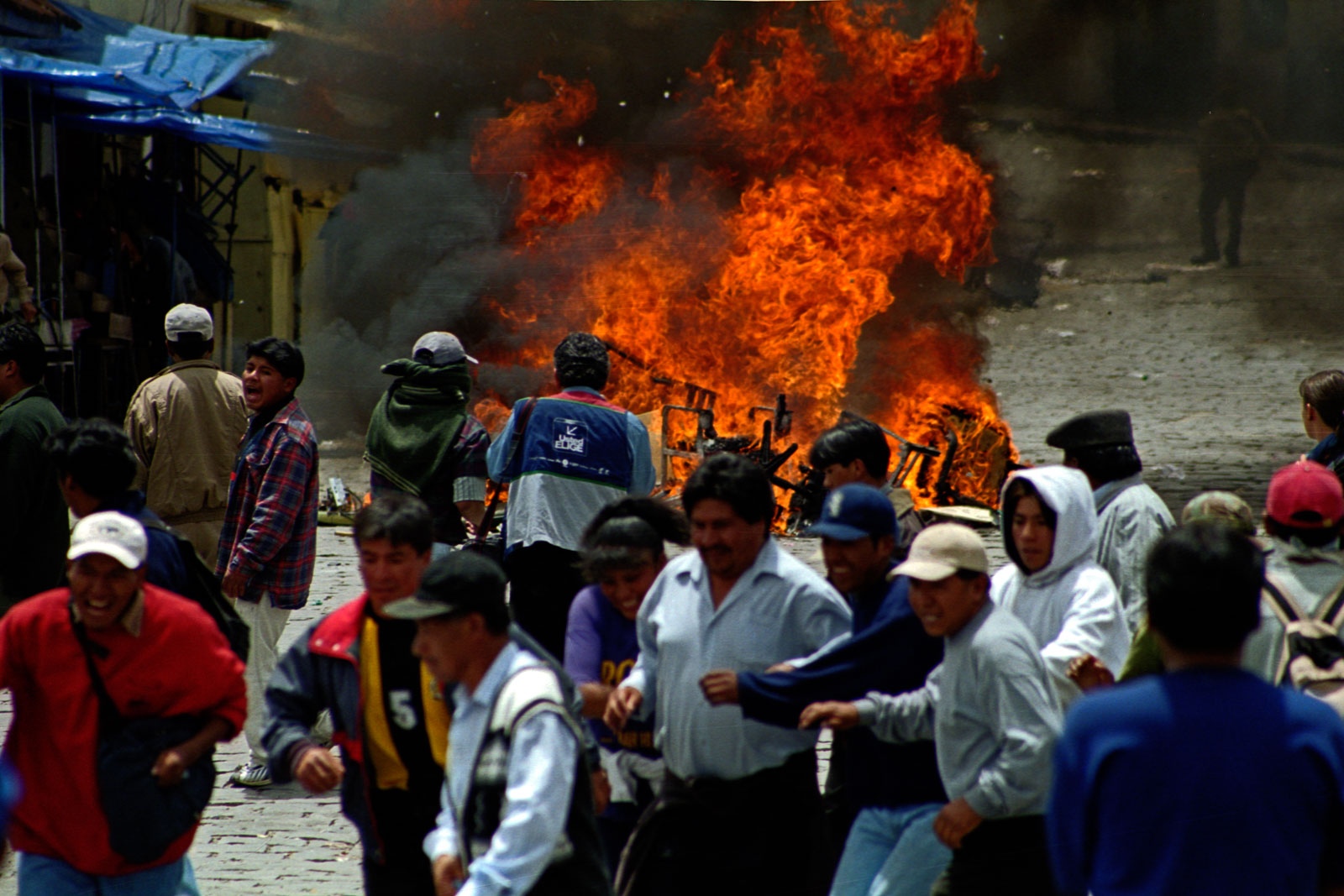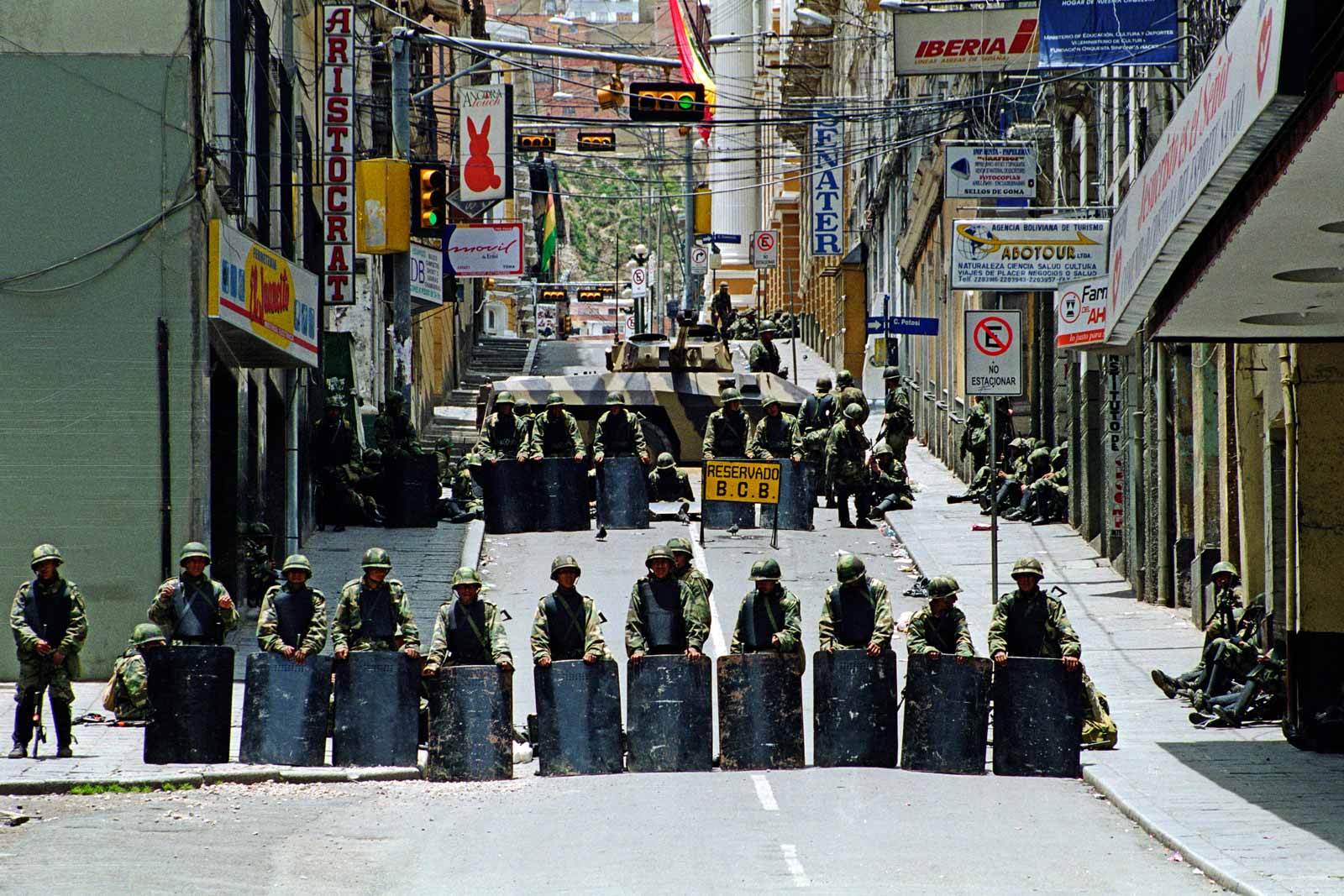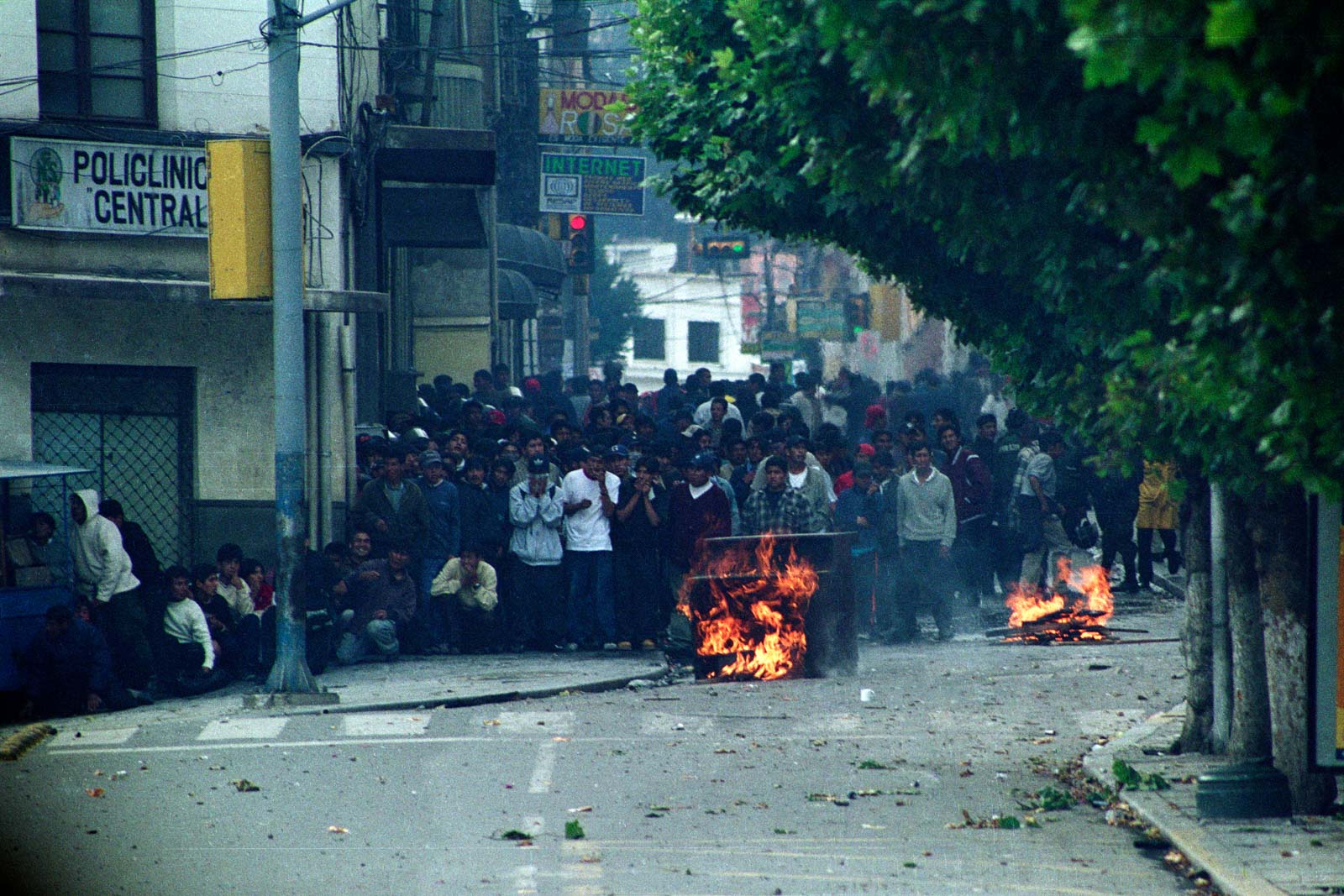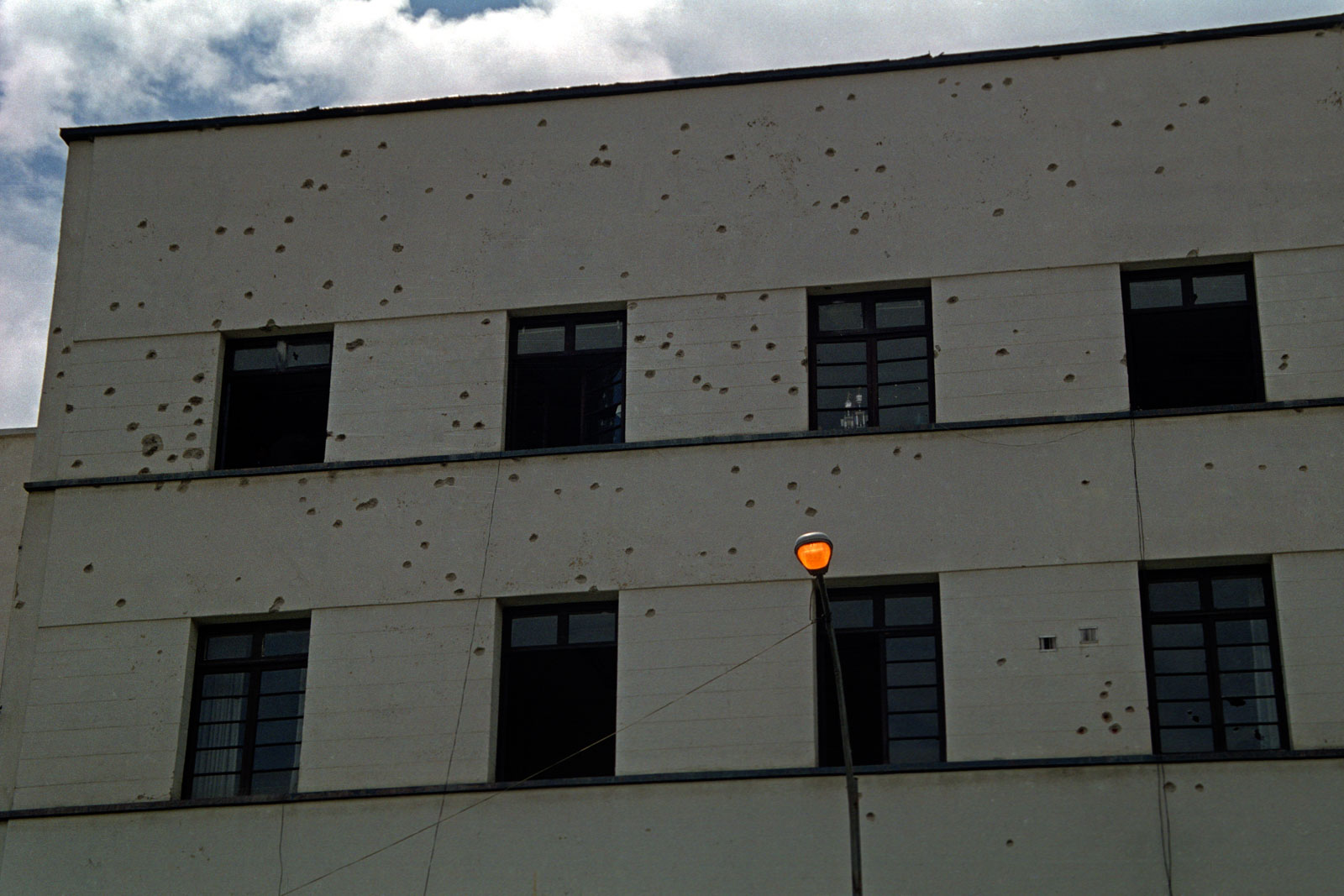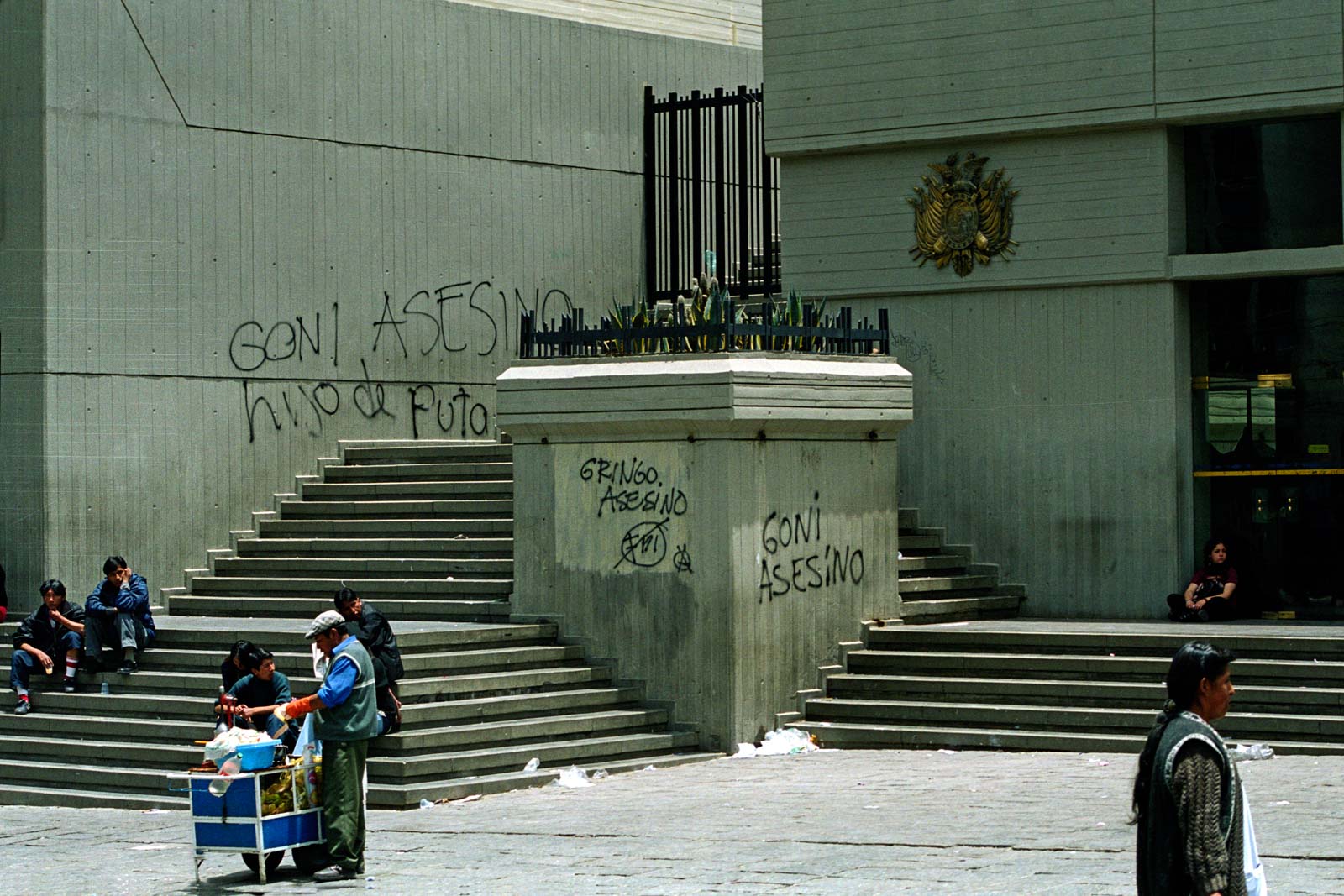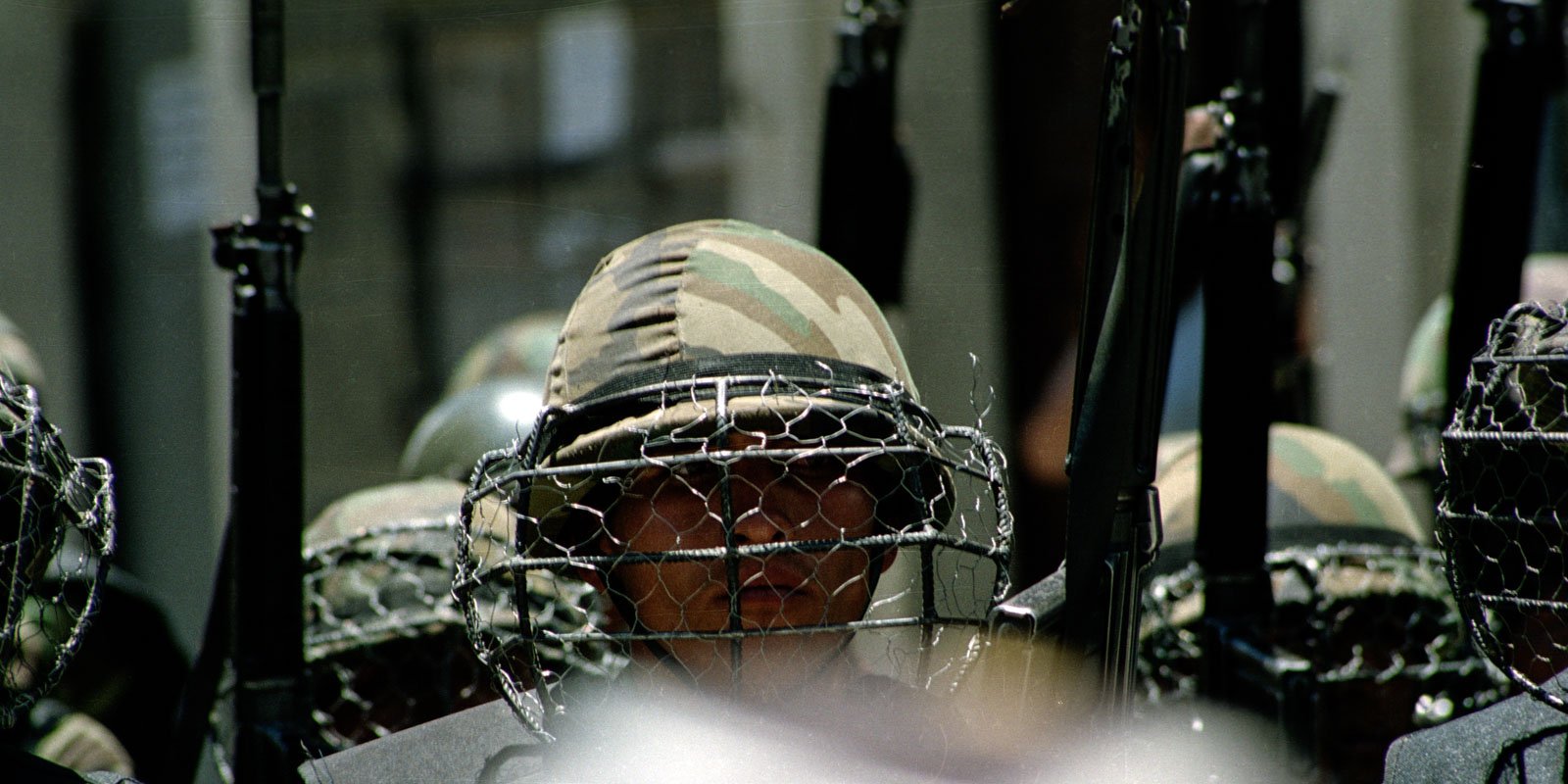
On February 12 and 13, 2003, La Paz, the capital of Bolivia, witnessed one of the most violent episodes of popular unrest in the country’s recent history, known as the “Febrero Negro” (Black February).
Facing an economic crisis and pressure from the International Monetary Fund, the government of President Gonzalo Sánchez de Lozada proposed a 13% tax on state employees’ salaries. The measure triggered an uprising that began at the barracks of La Paz’s Second Police Regiment, where officers went on strike and soon joined the protests against the government.
As police officers and demonstrators laid siege to the Government Palace, Sánchez de Lozada rejected negotiations and deployed the army, including armored vehicles and snipers ordered to fire on the insurgents. For two days, the city became a battlefield, with bloody clashes between police, soldiers and civilians. Demonstrators attacked government buildings and set fire to symbols of political power.
The government eventually withdrew the proposed tax, bringing a temporary end to the violence. The clashes left around thirty people dead and approximately one hundred injured. But Black February was only the beginning of a broader period of social unrest that would culminate in the October 2003 uprising, forcing Sánchez de Lozada to resign and flee the country.
La Paz. Bolivia 2003