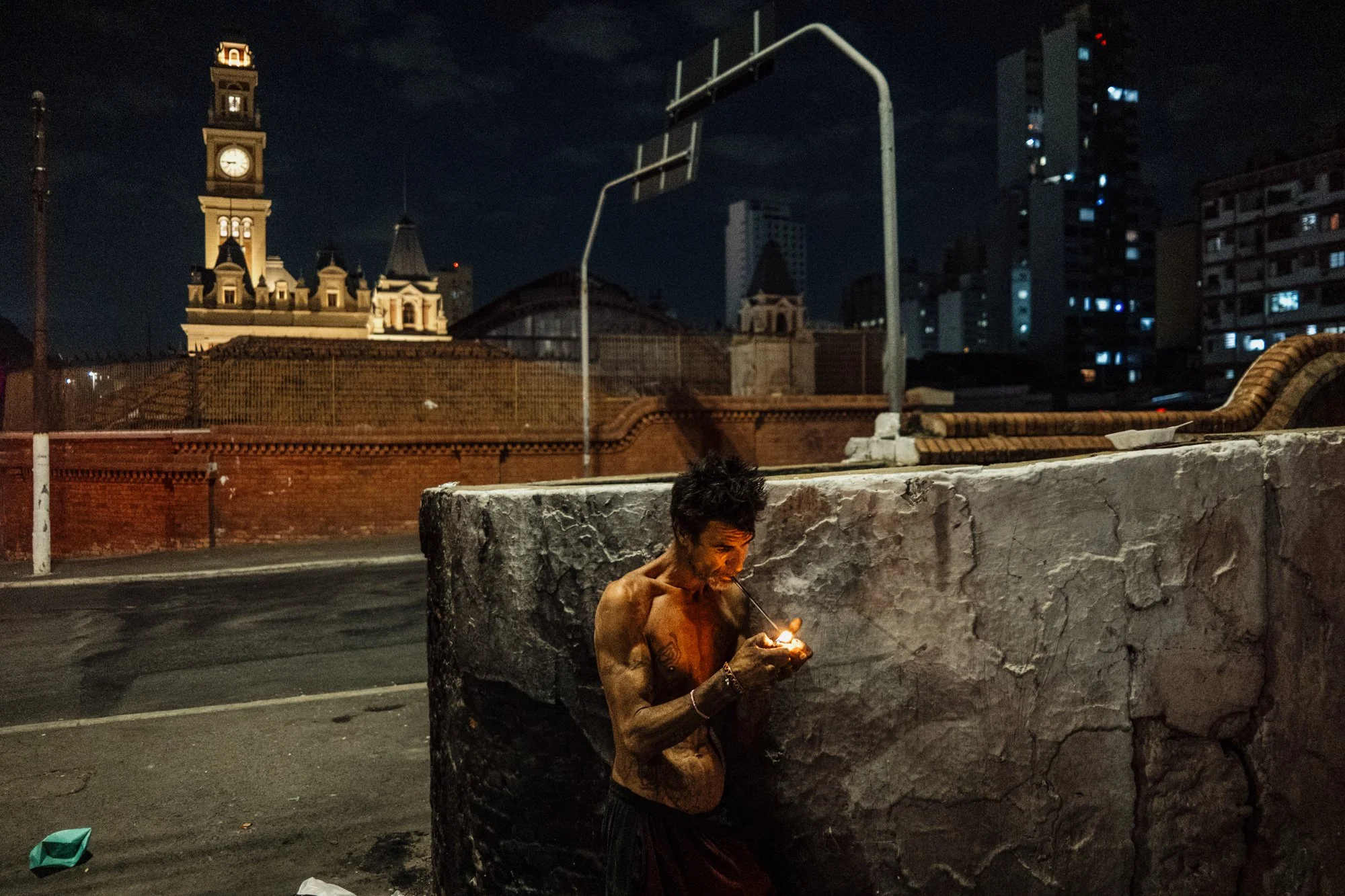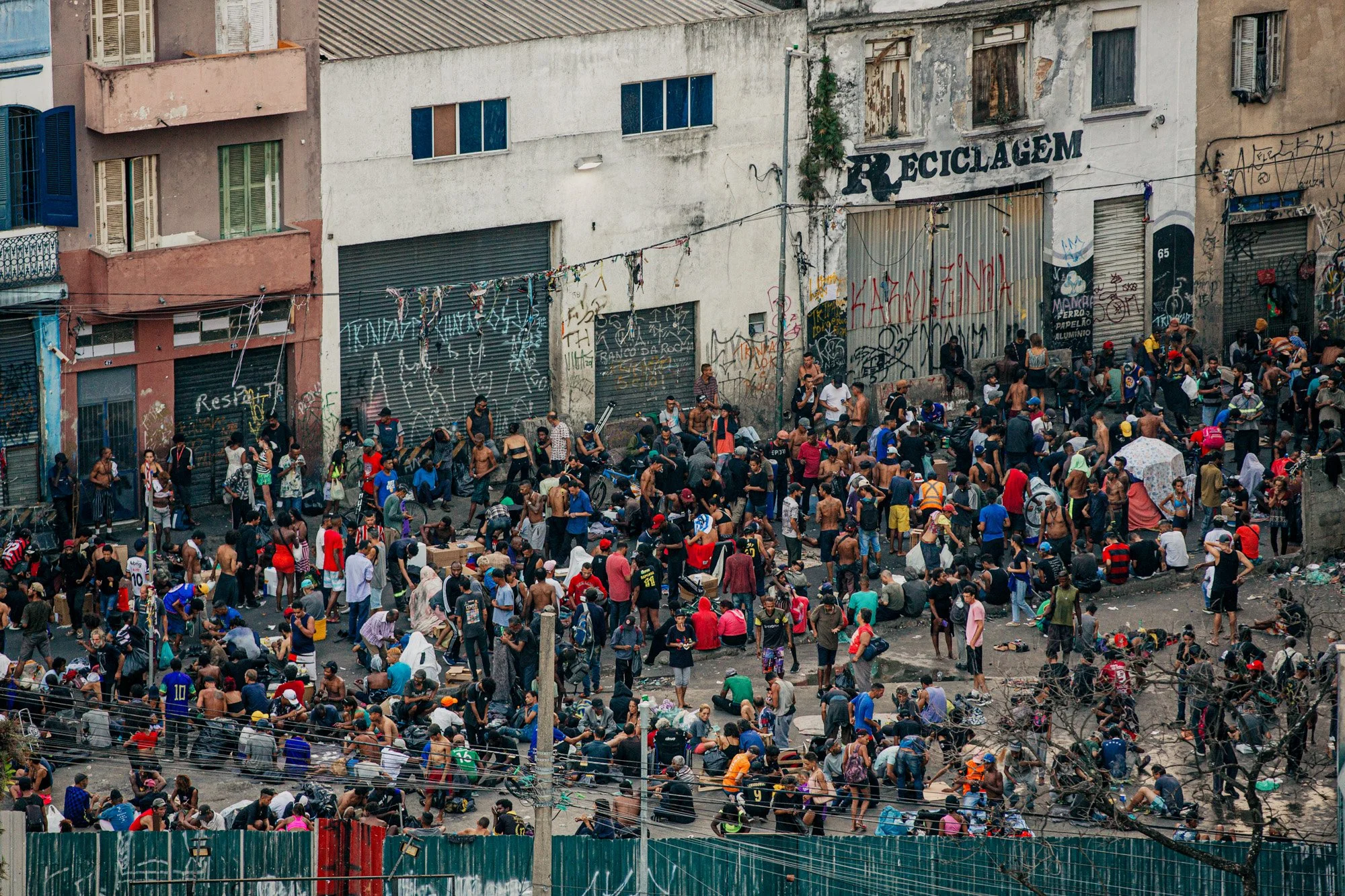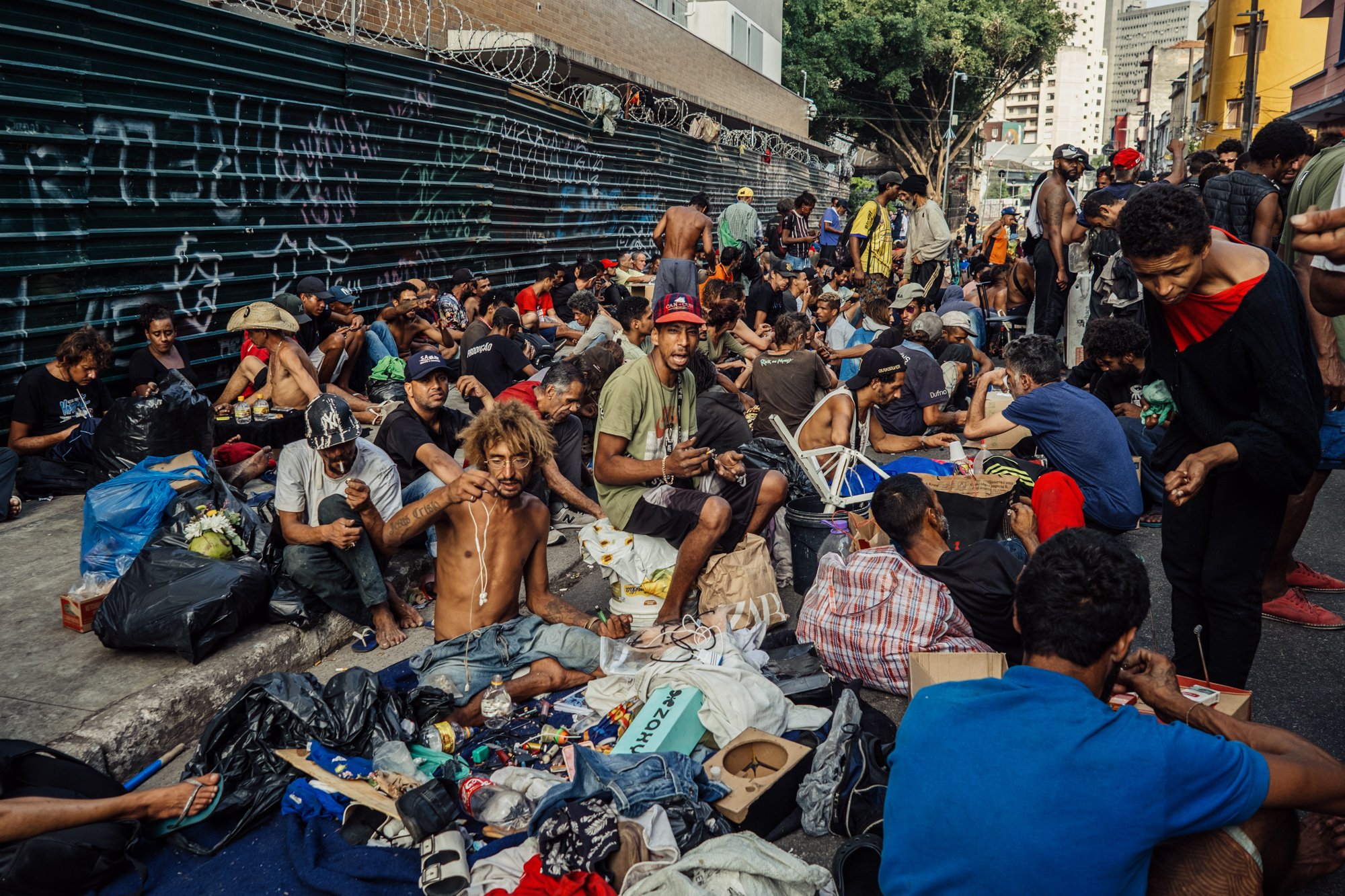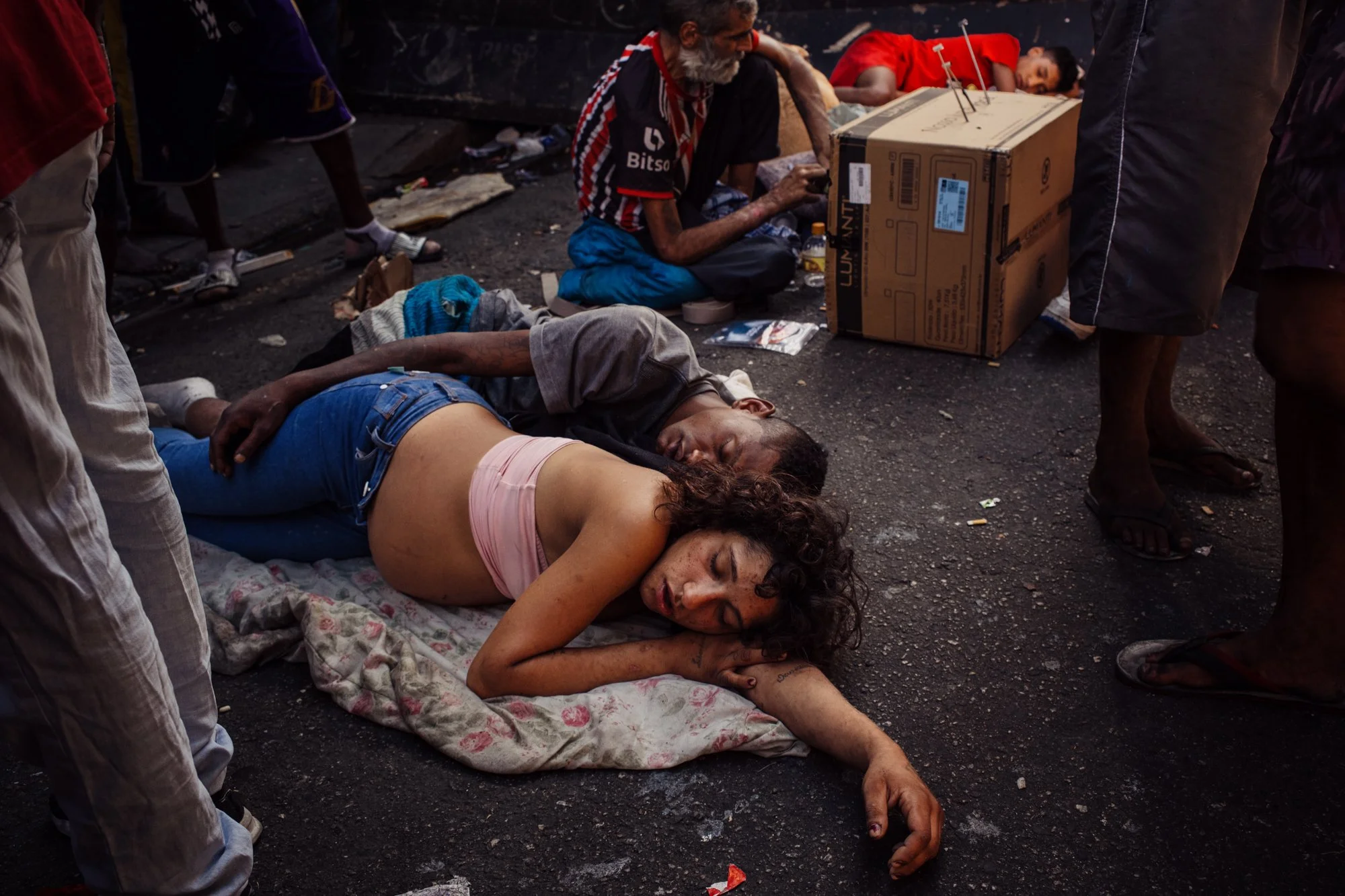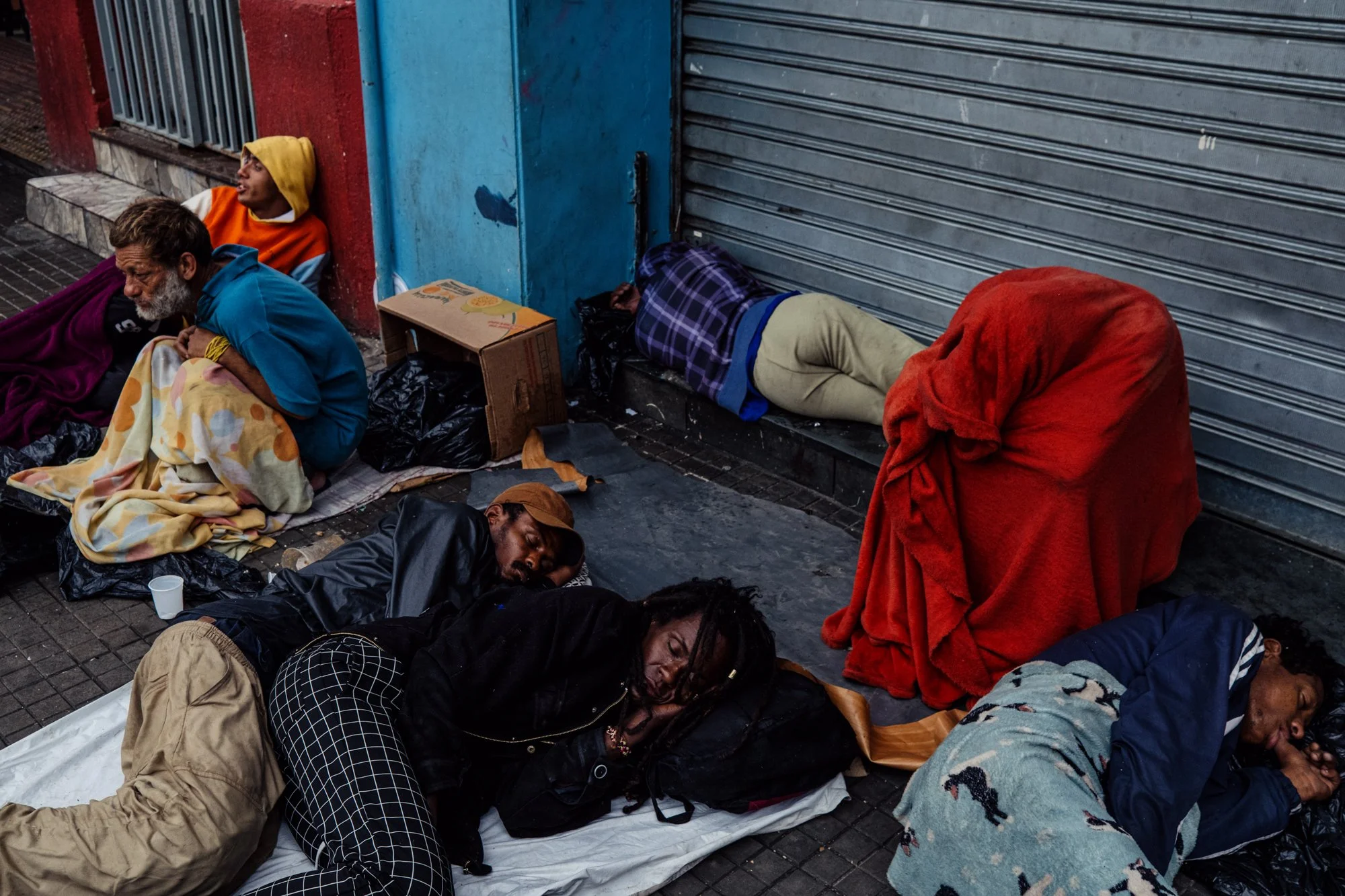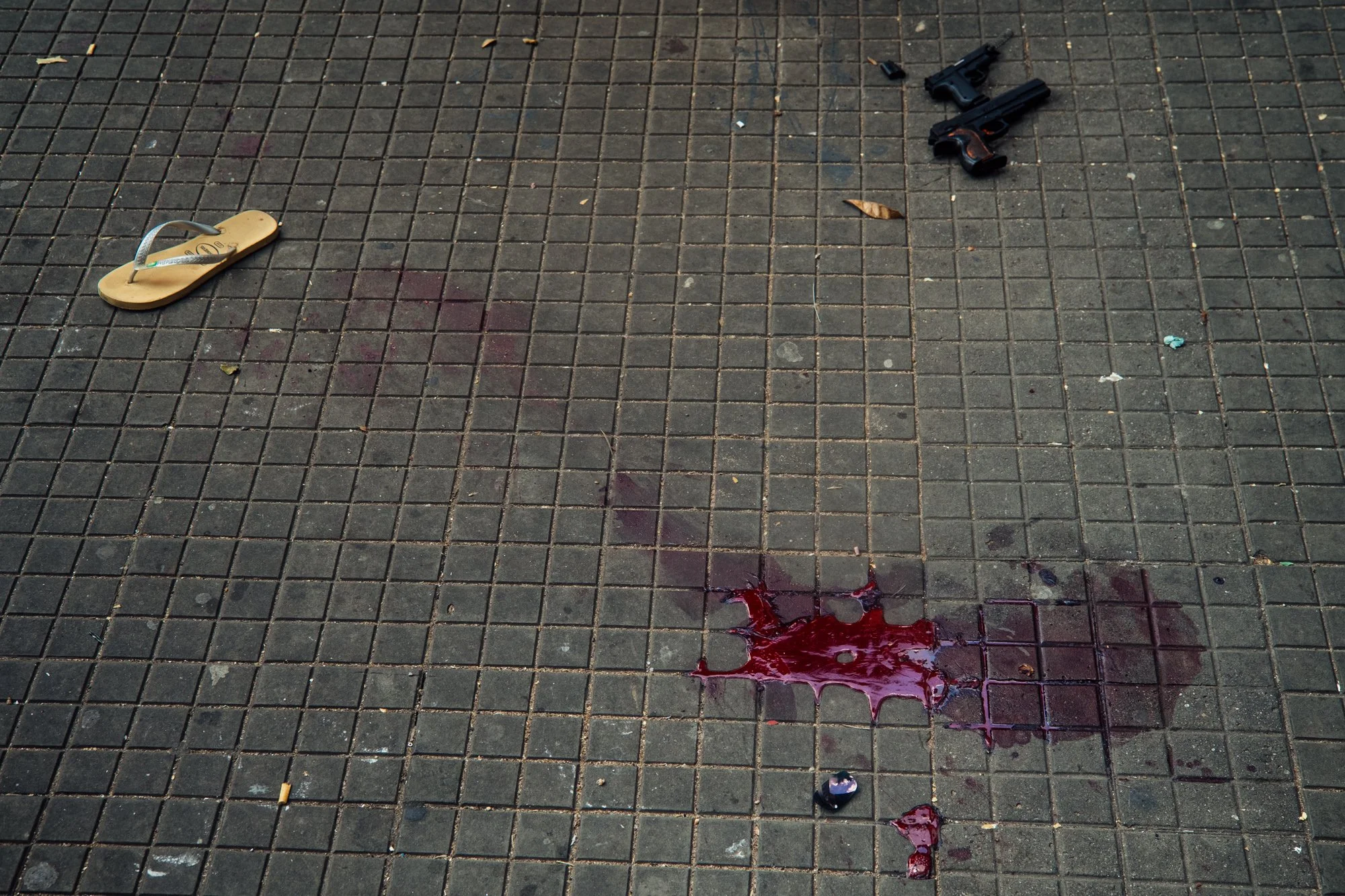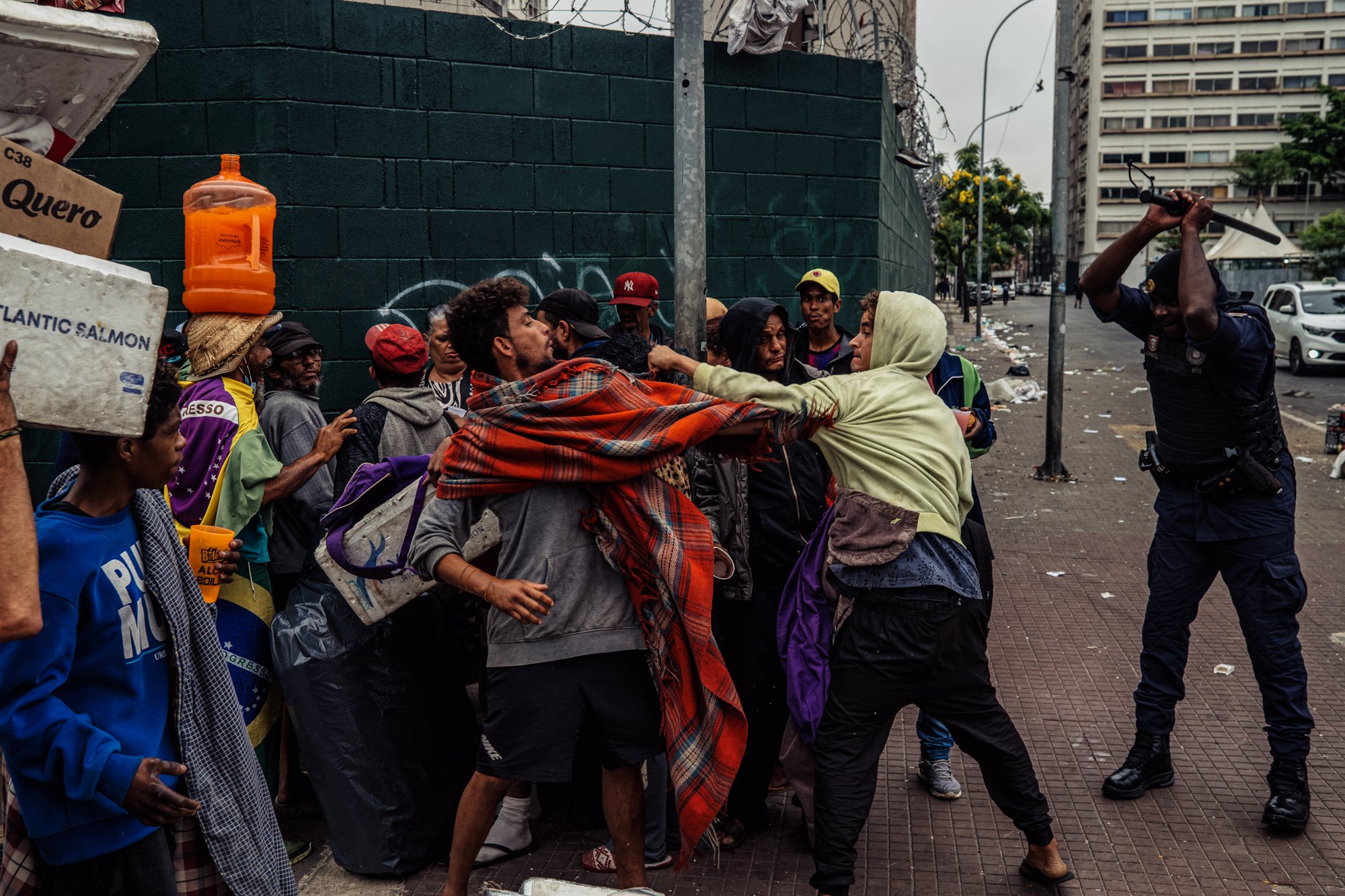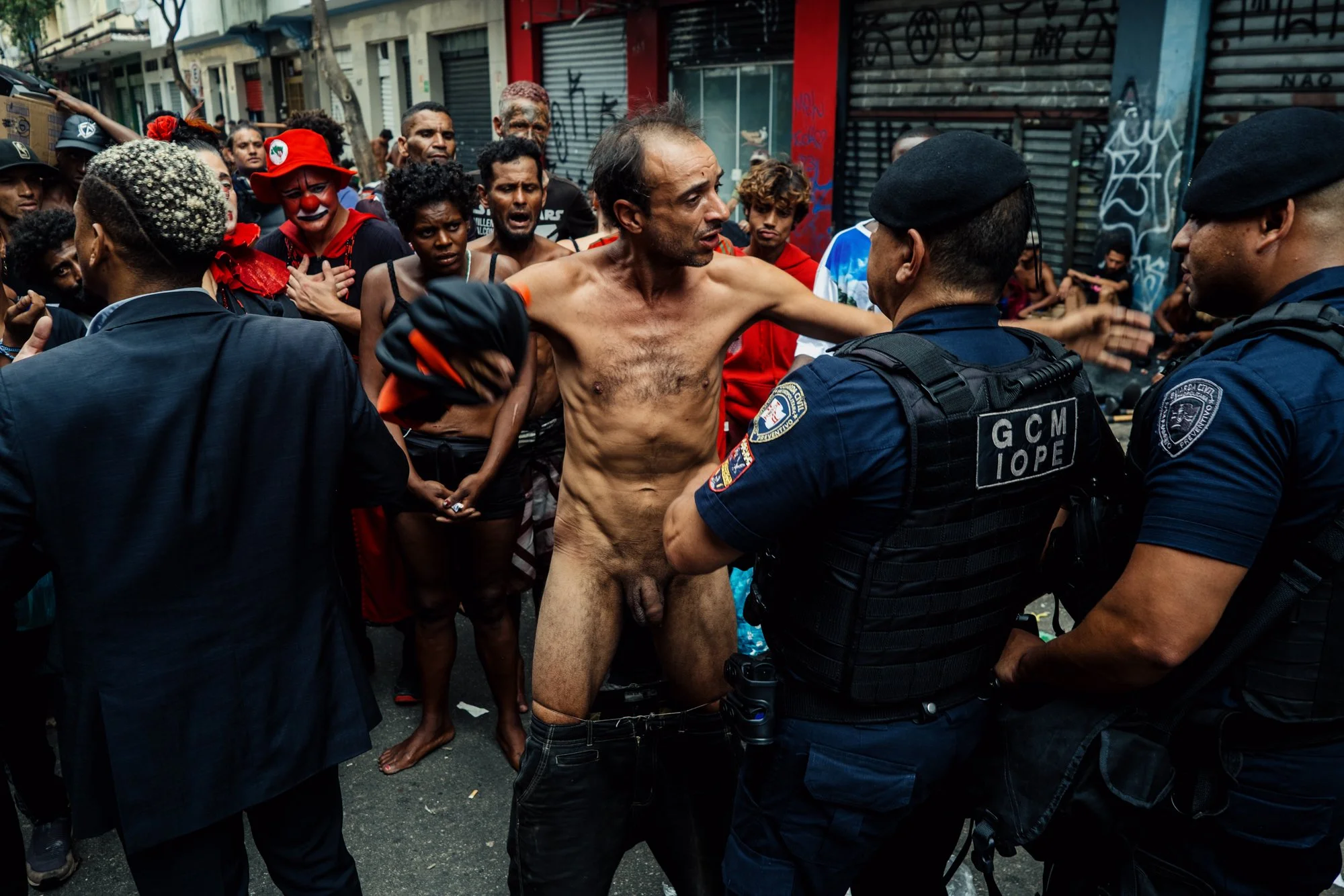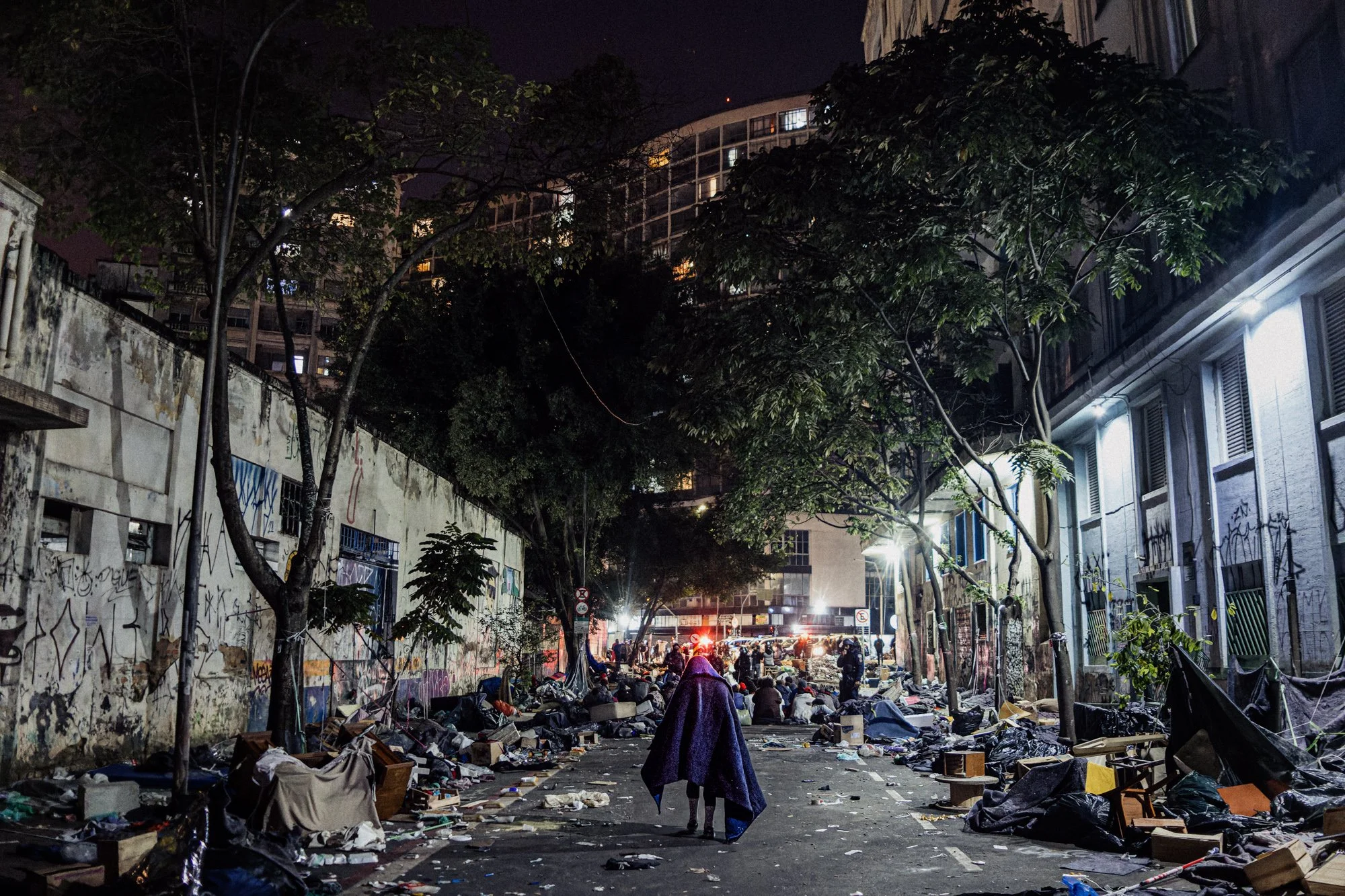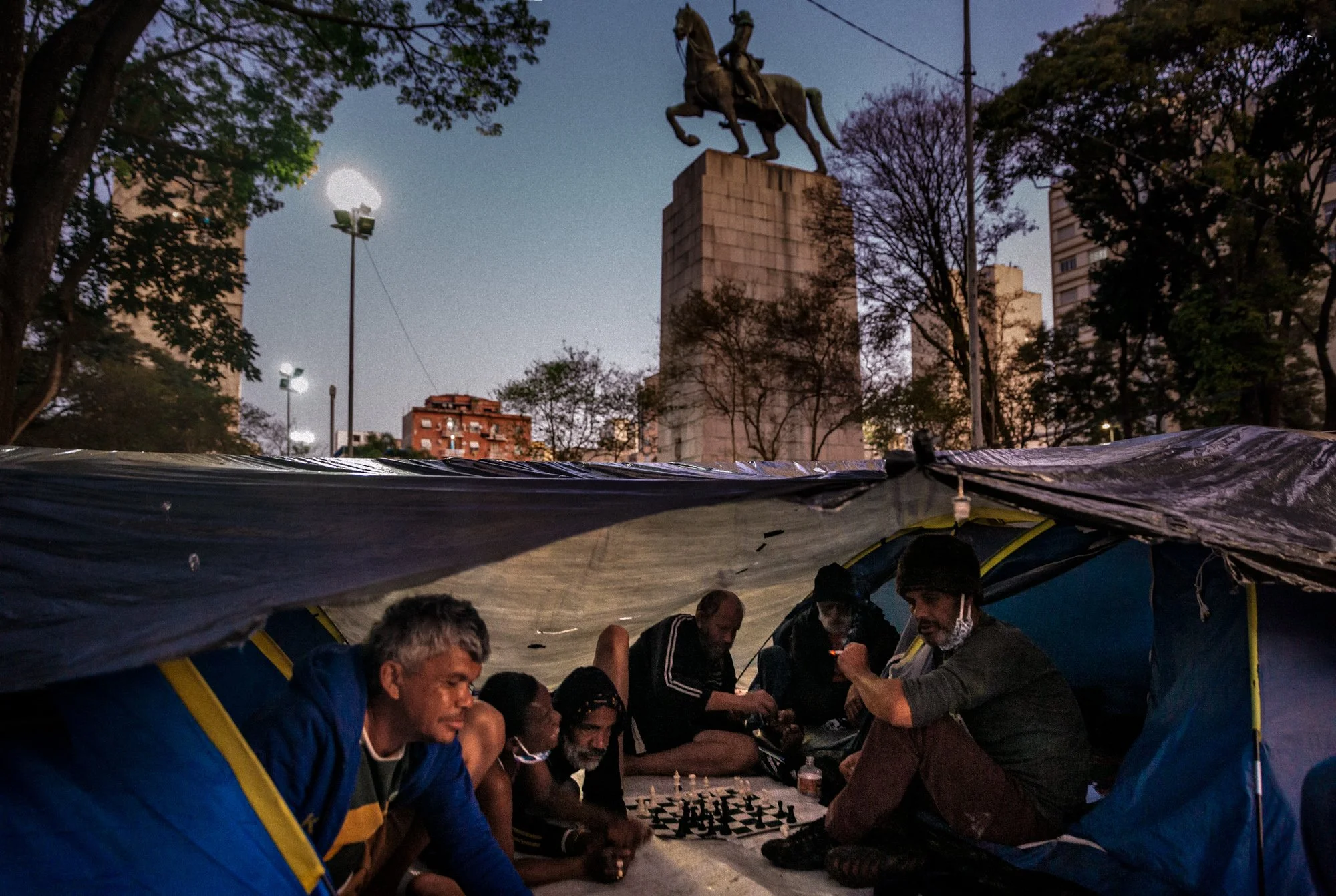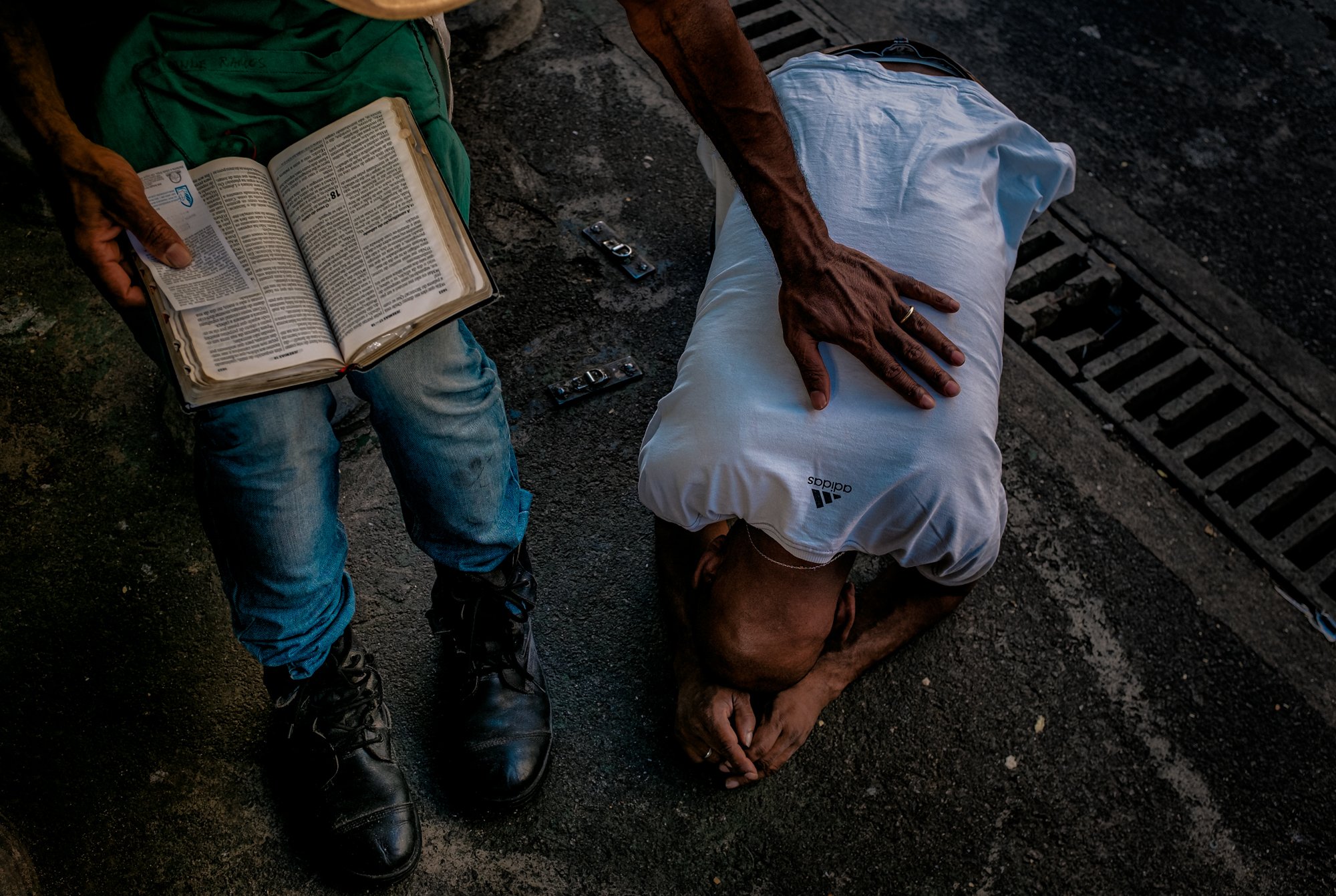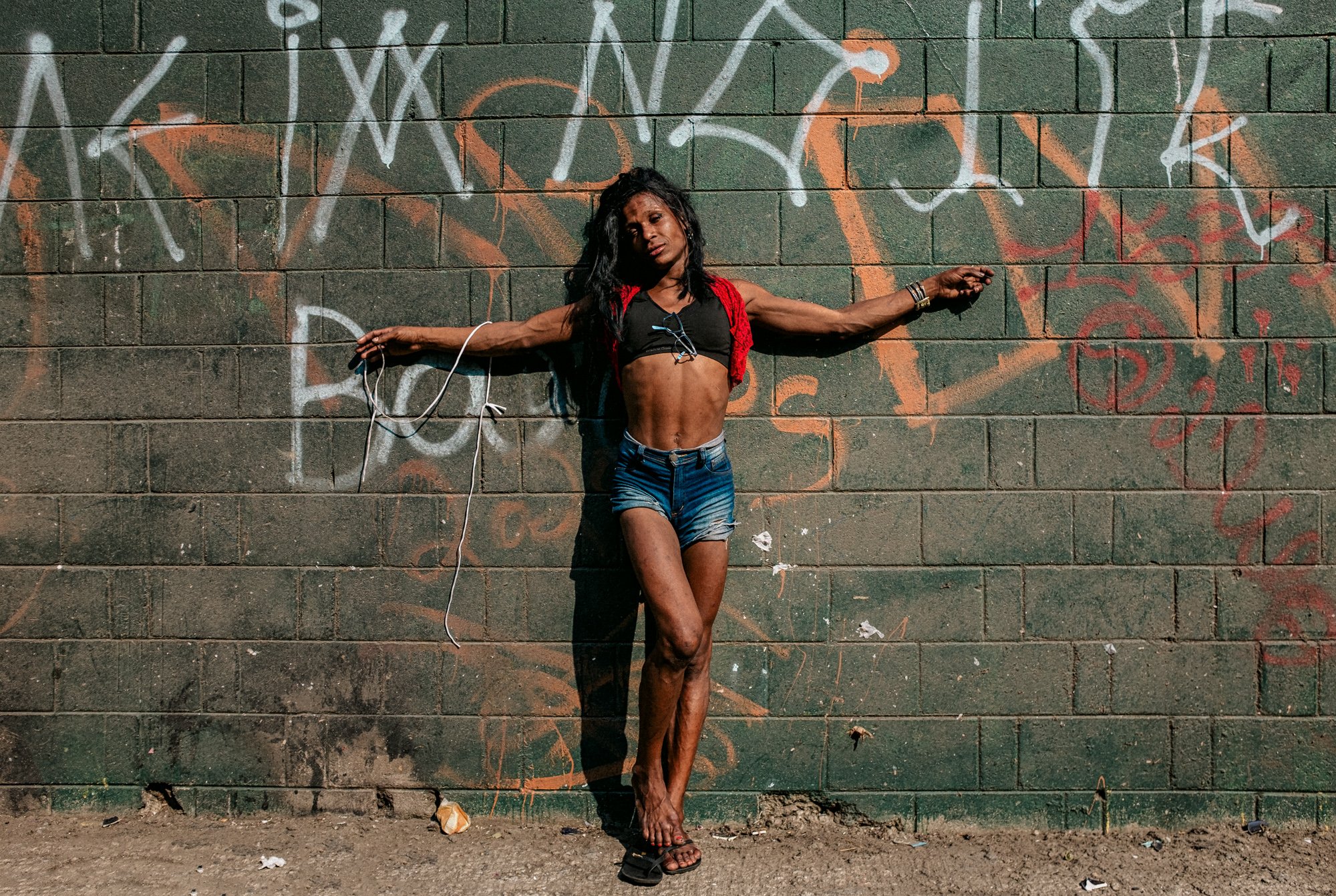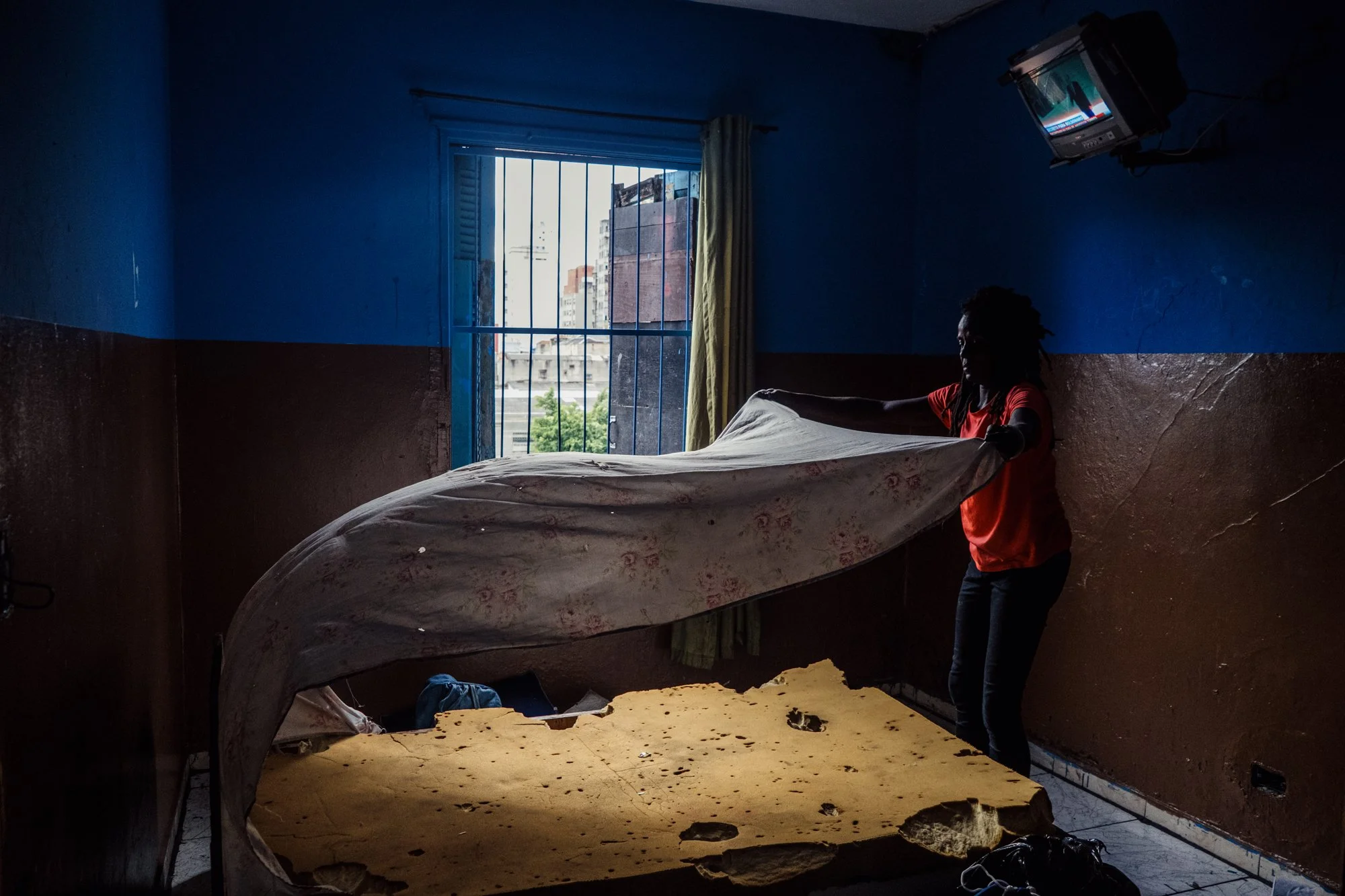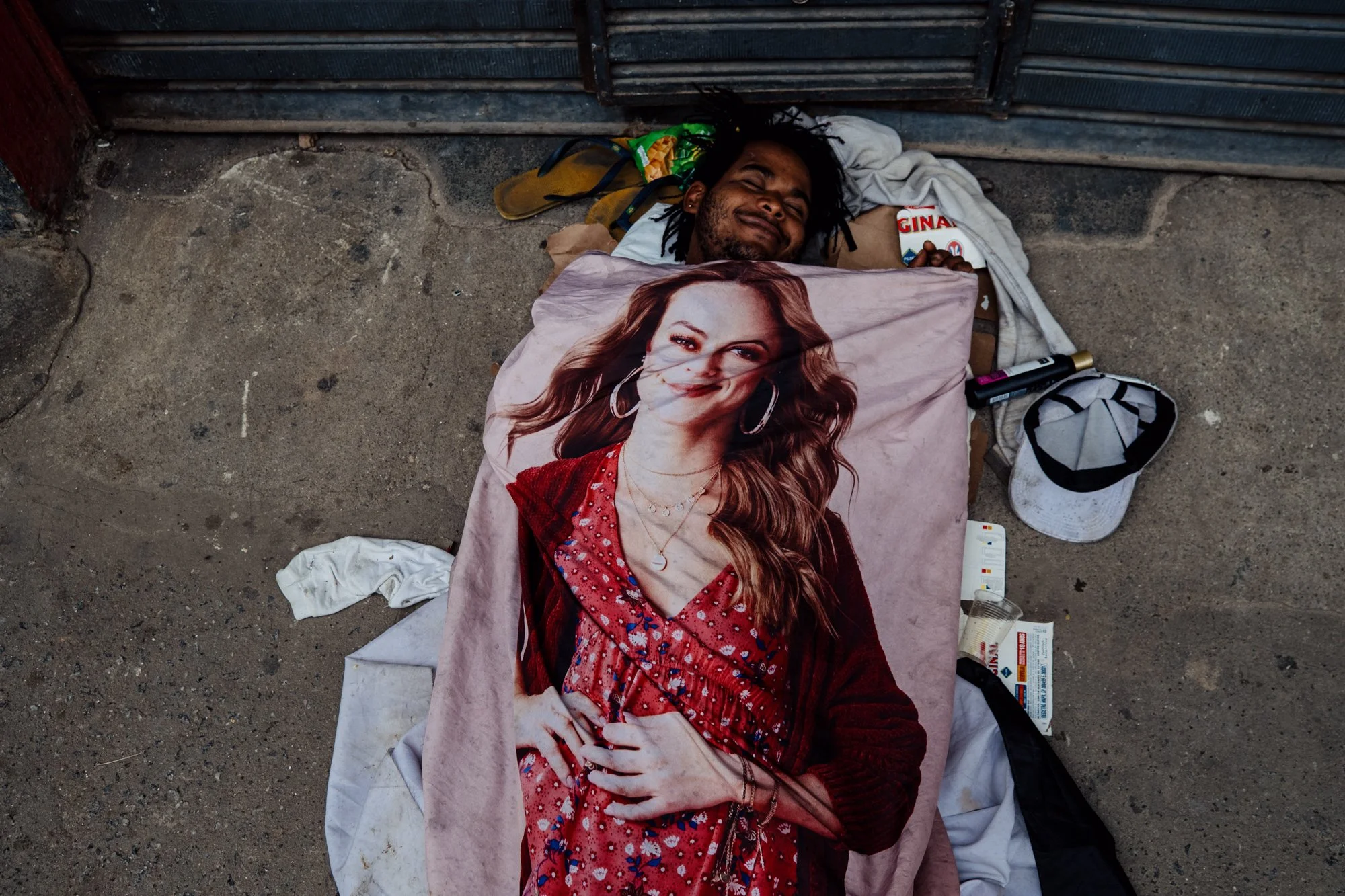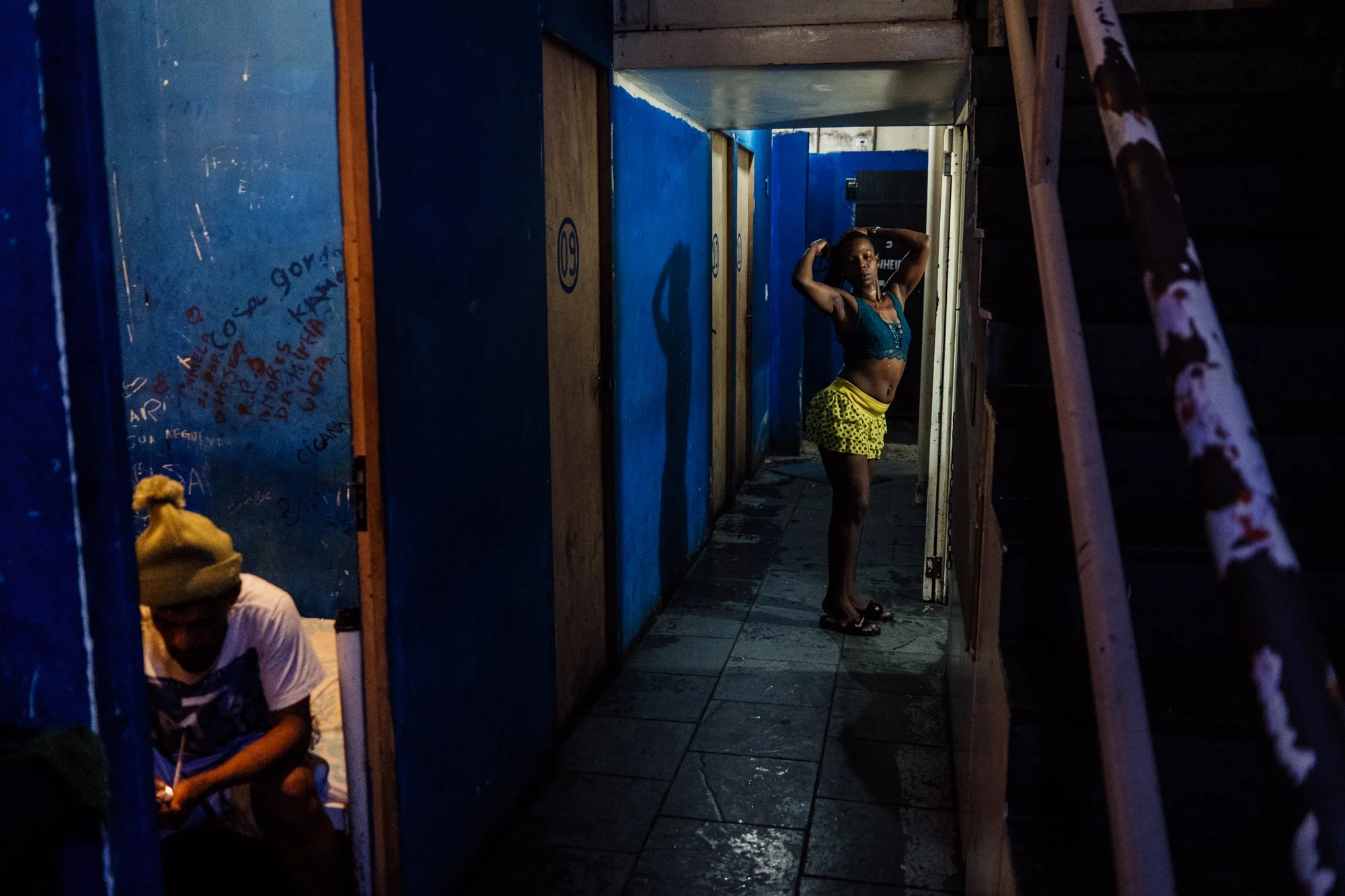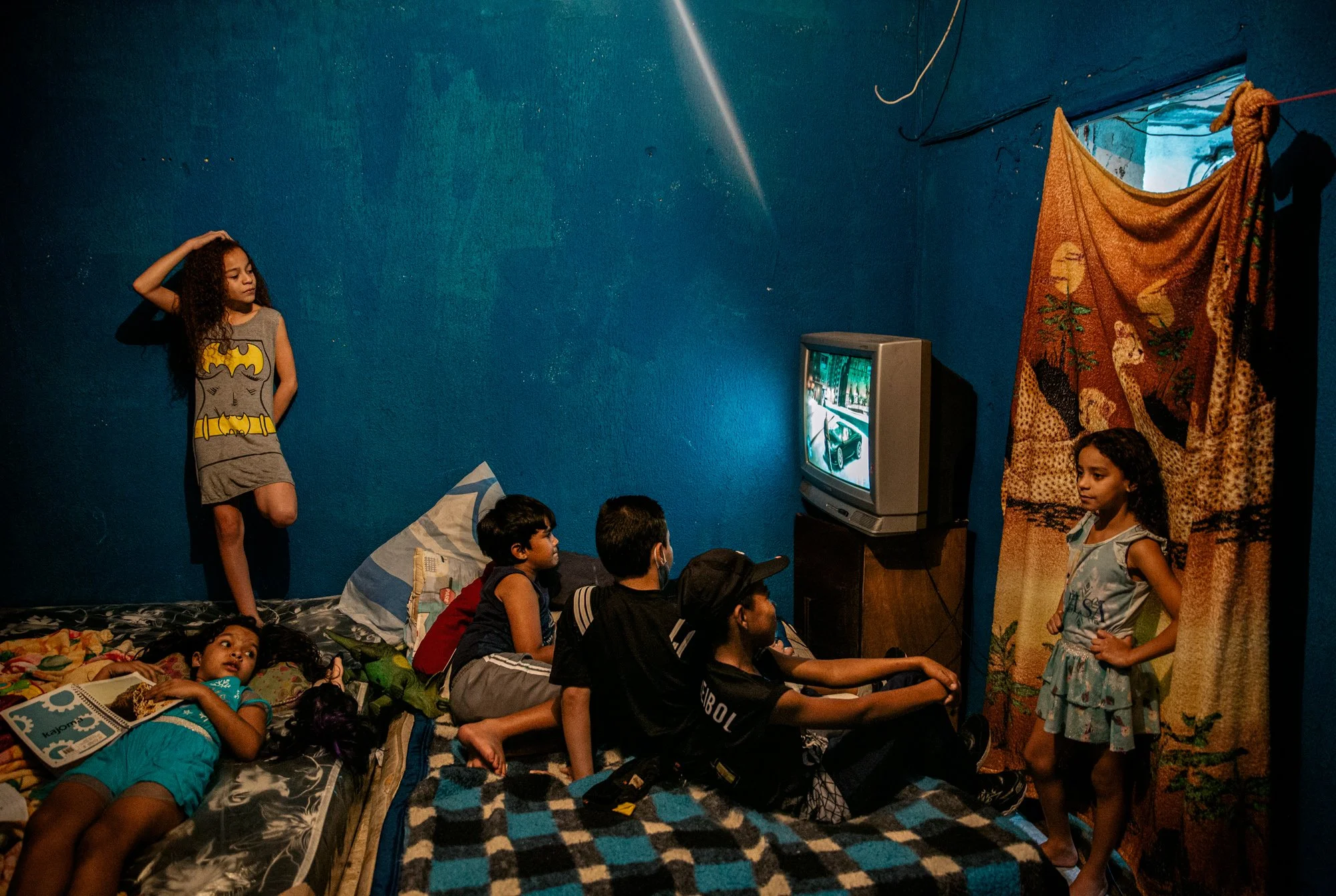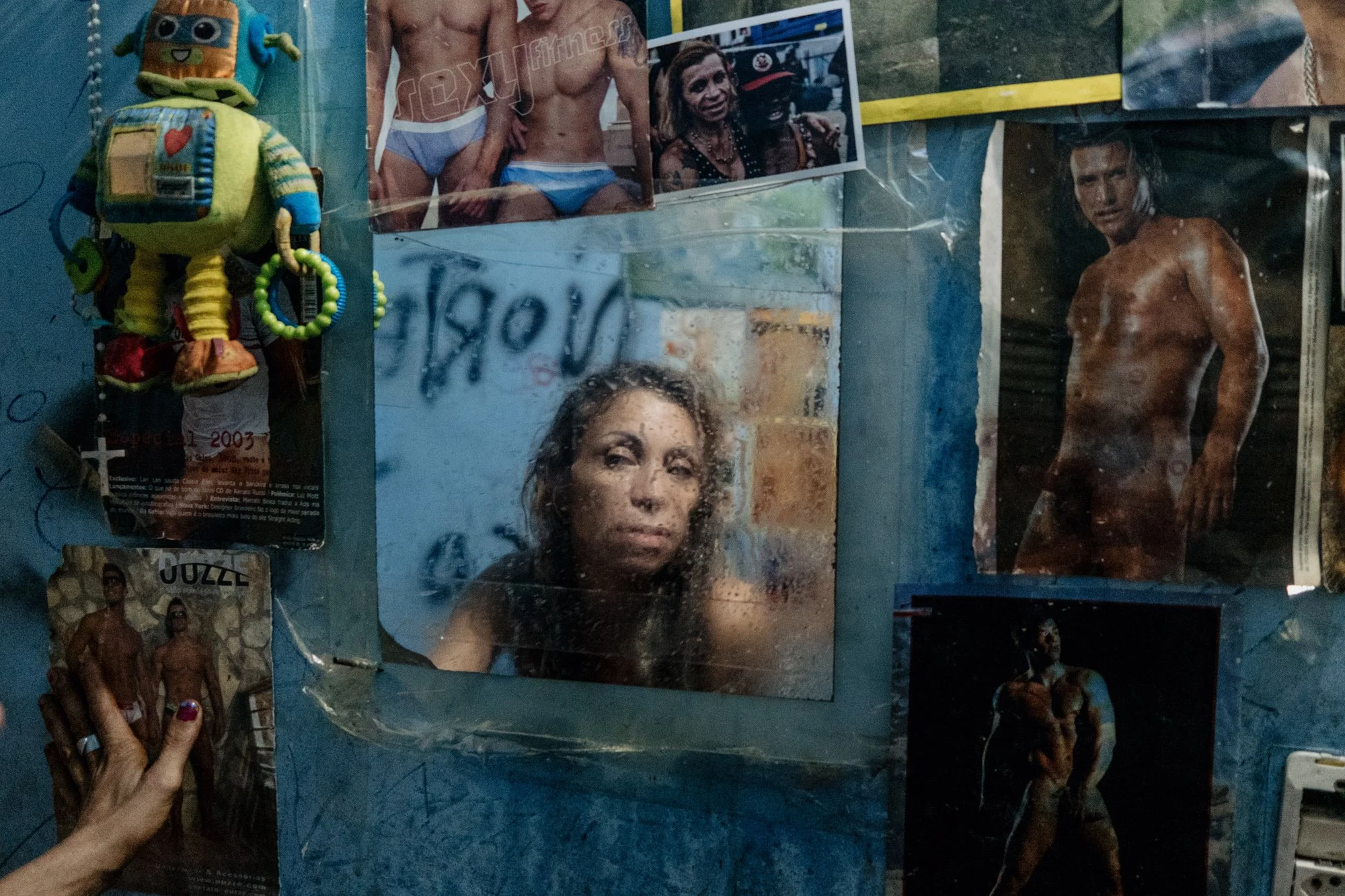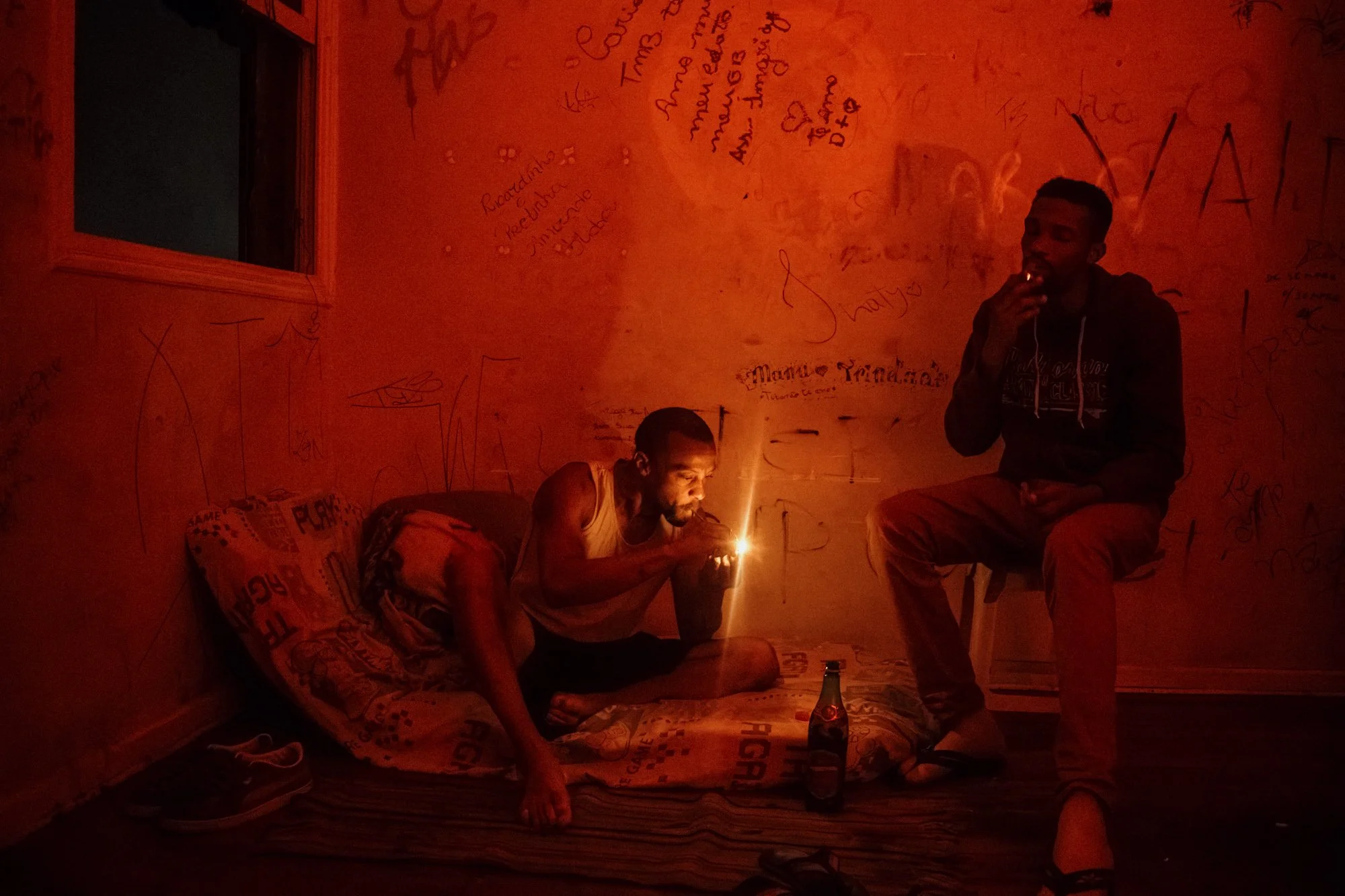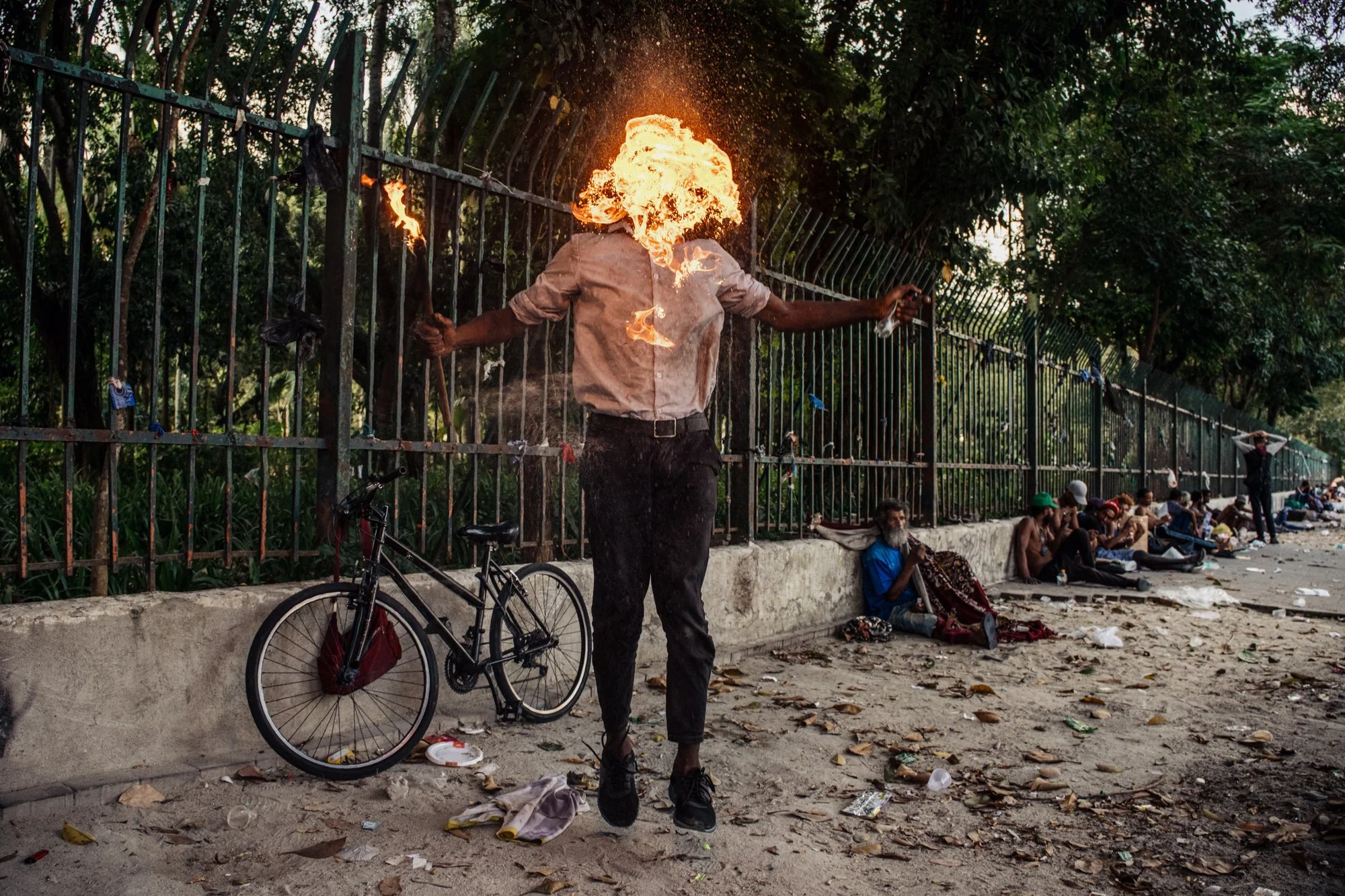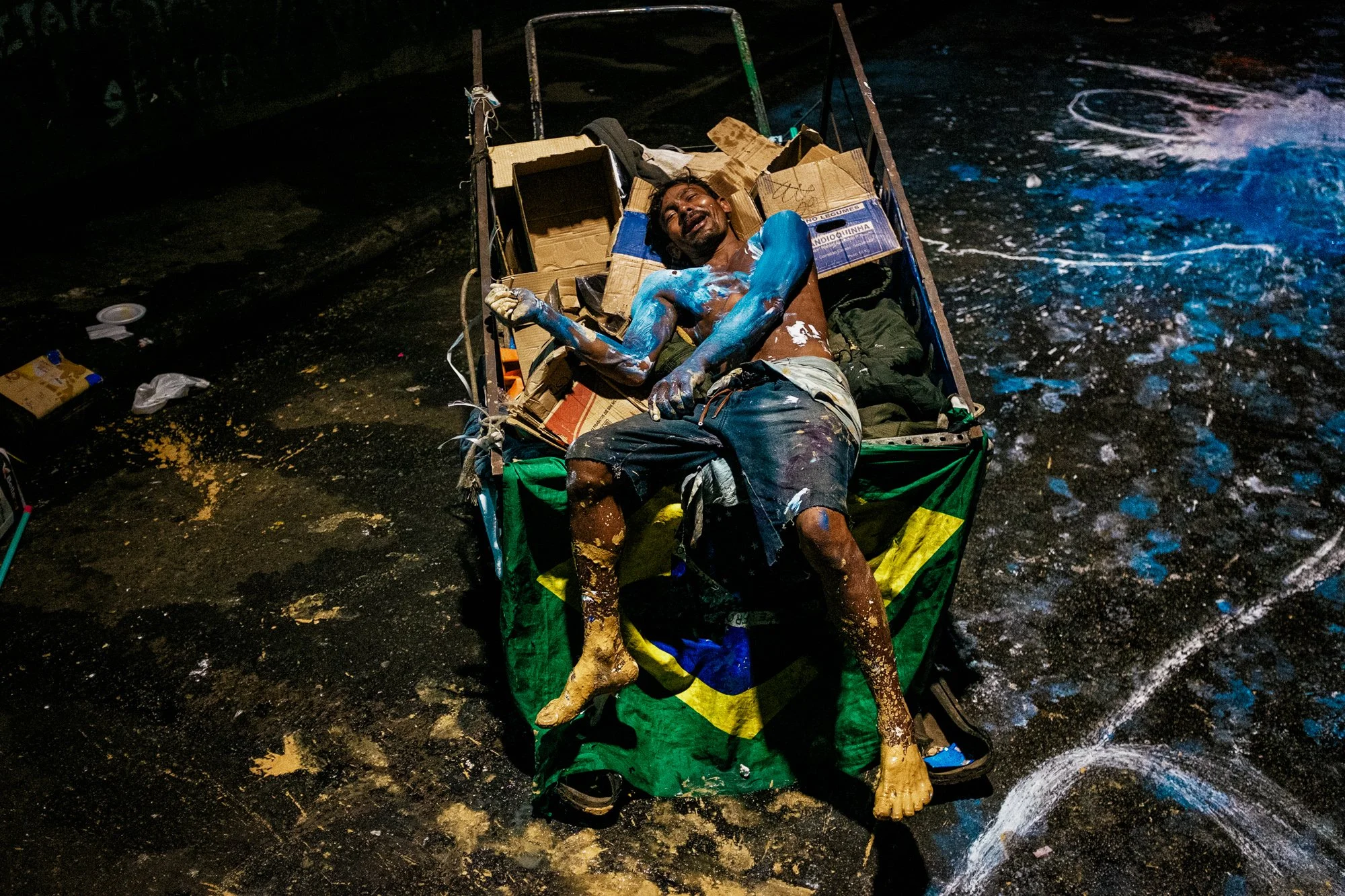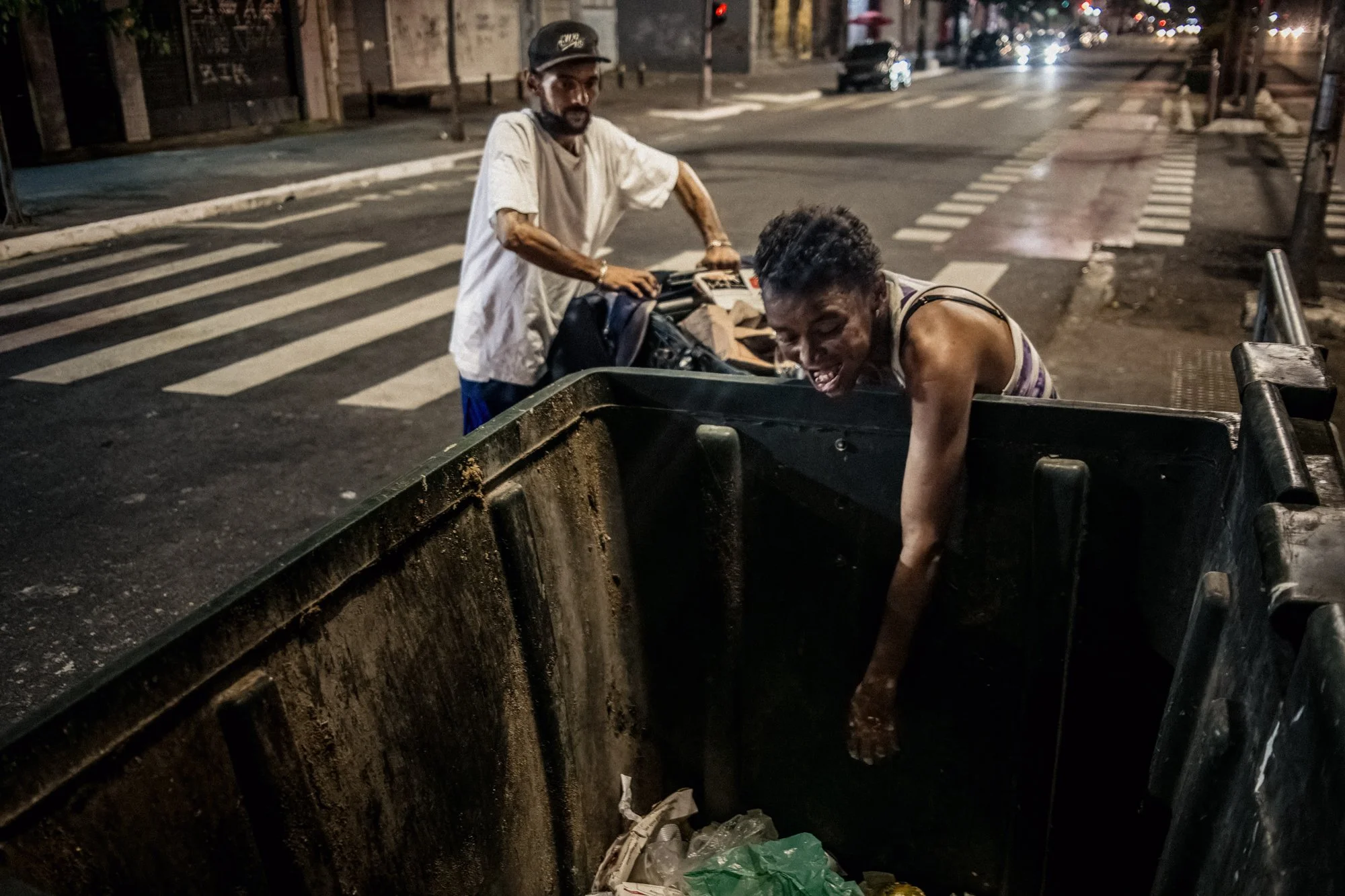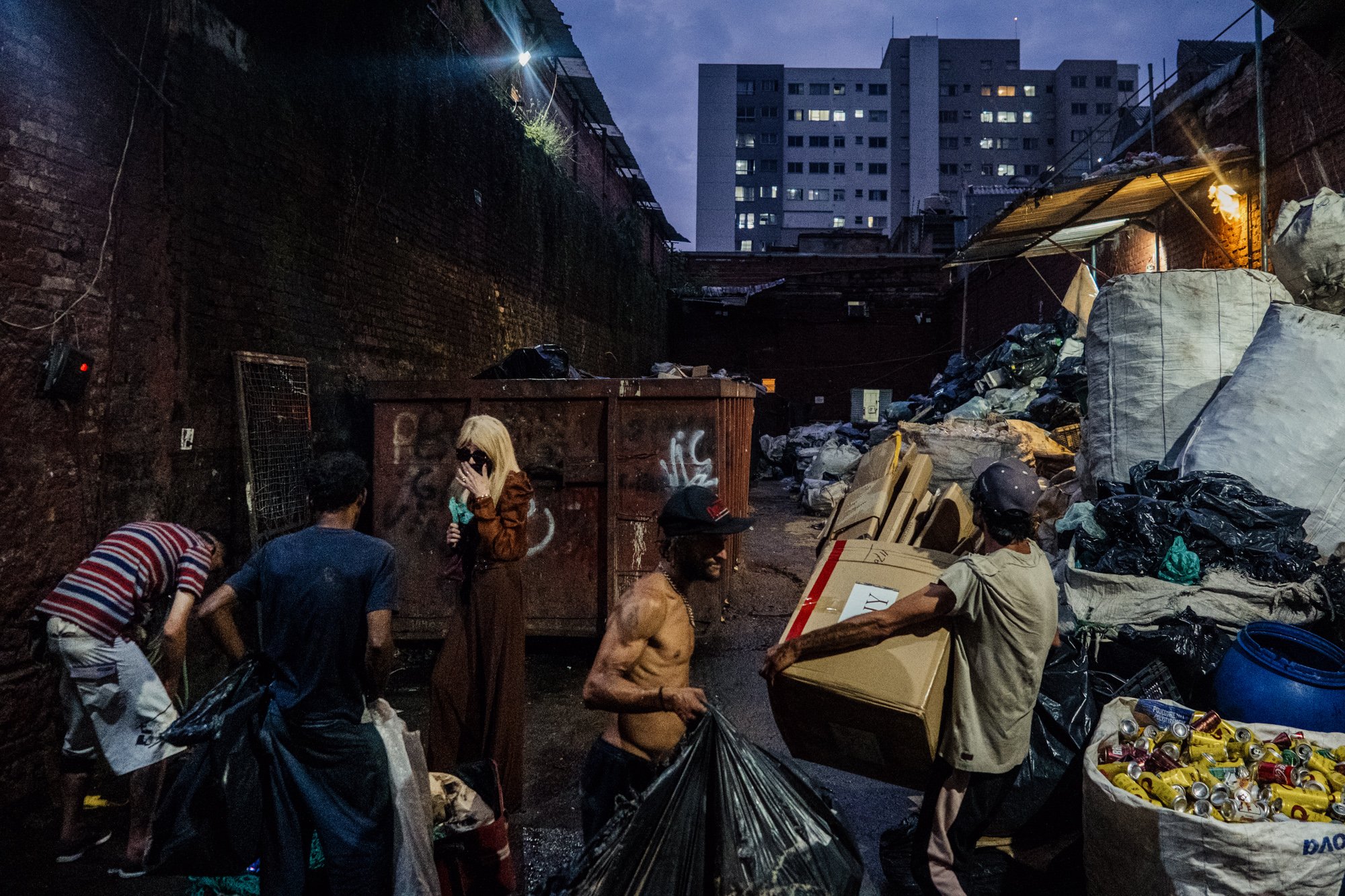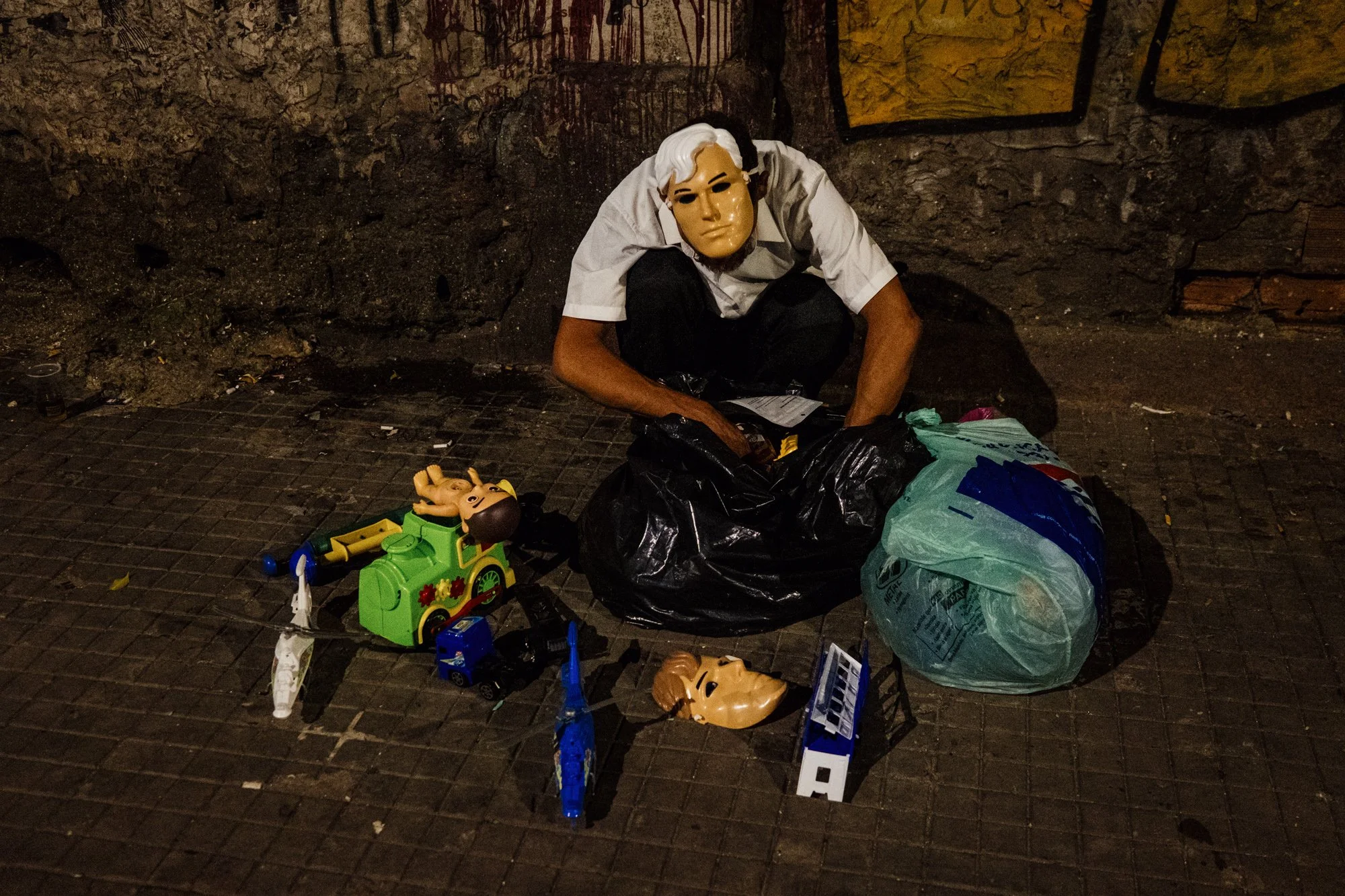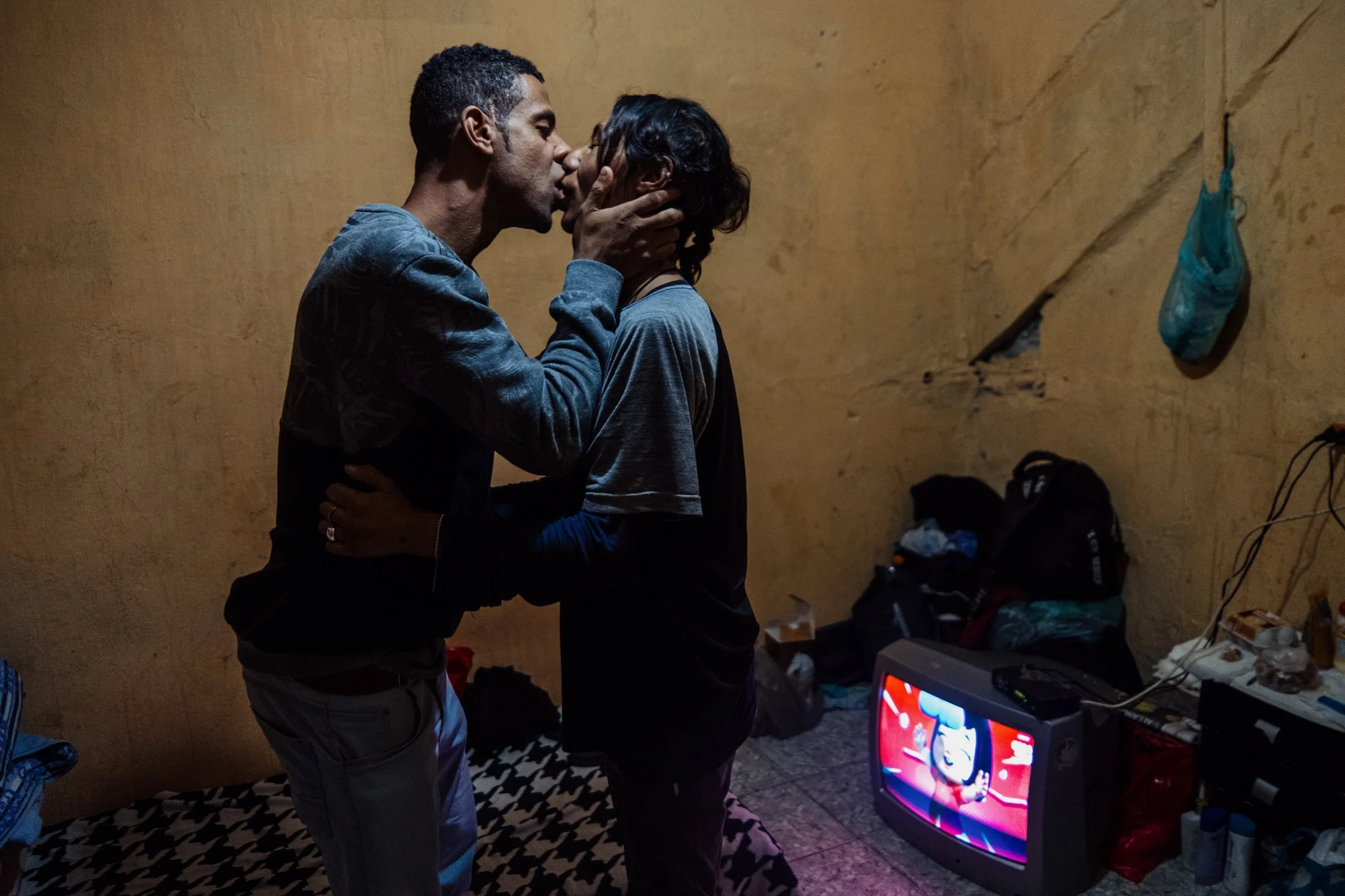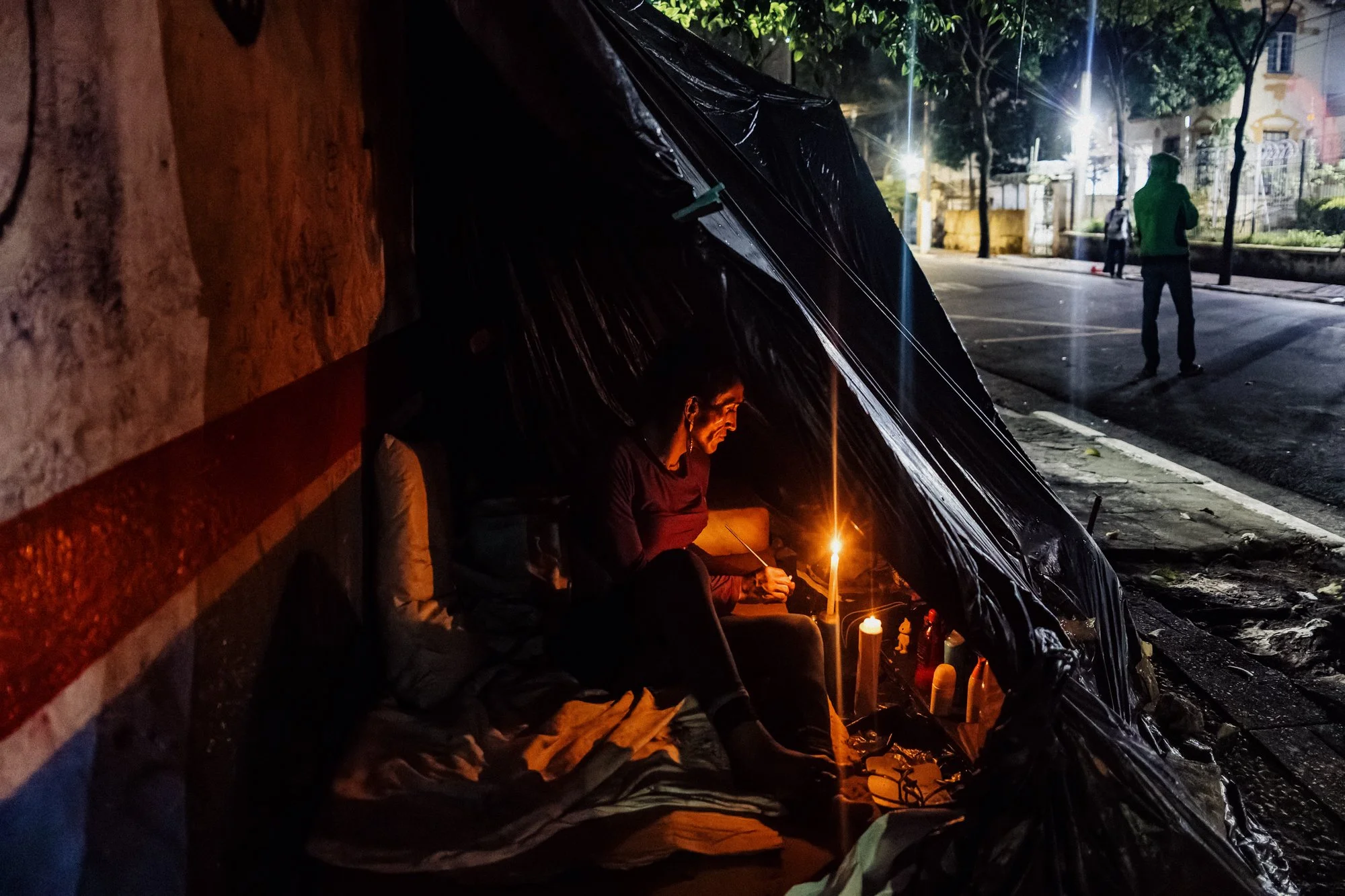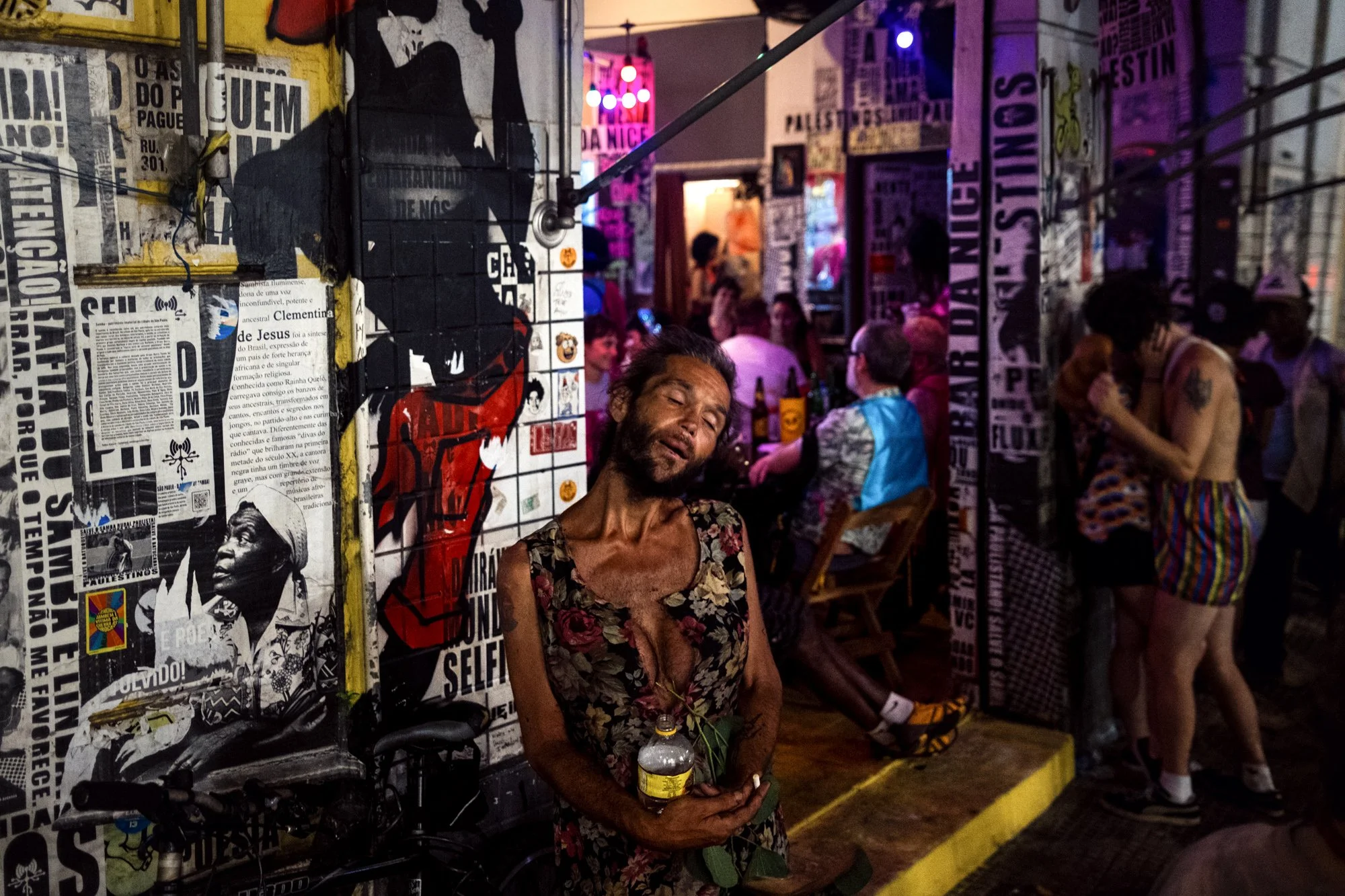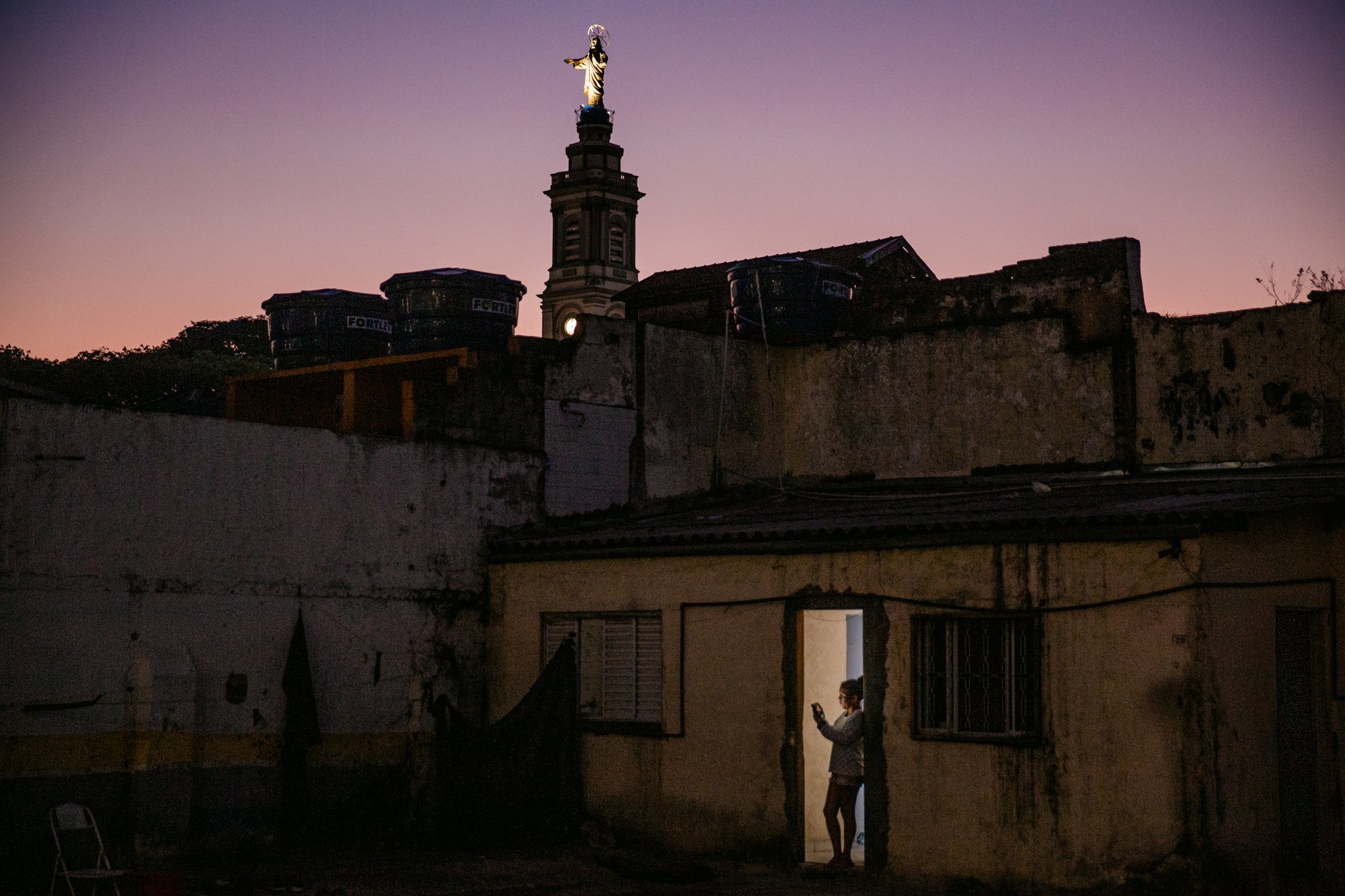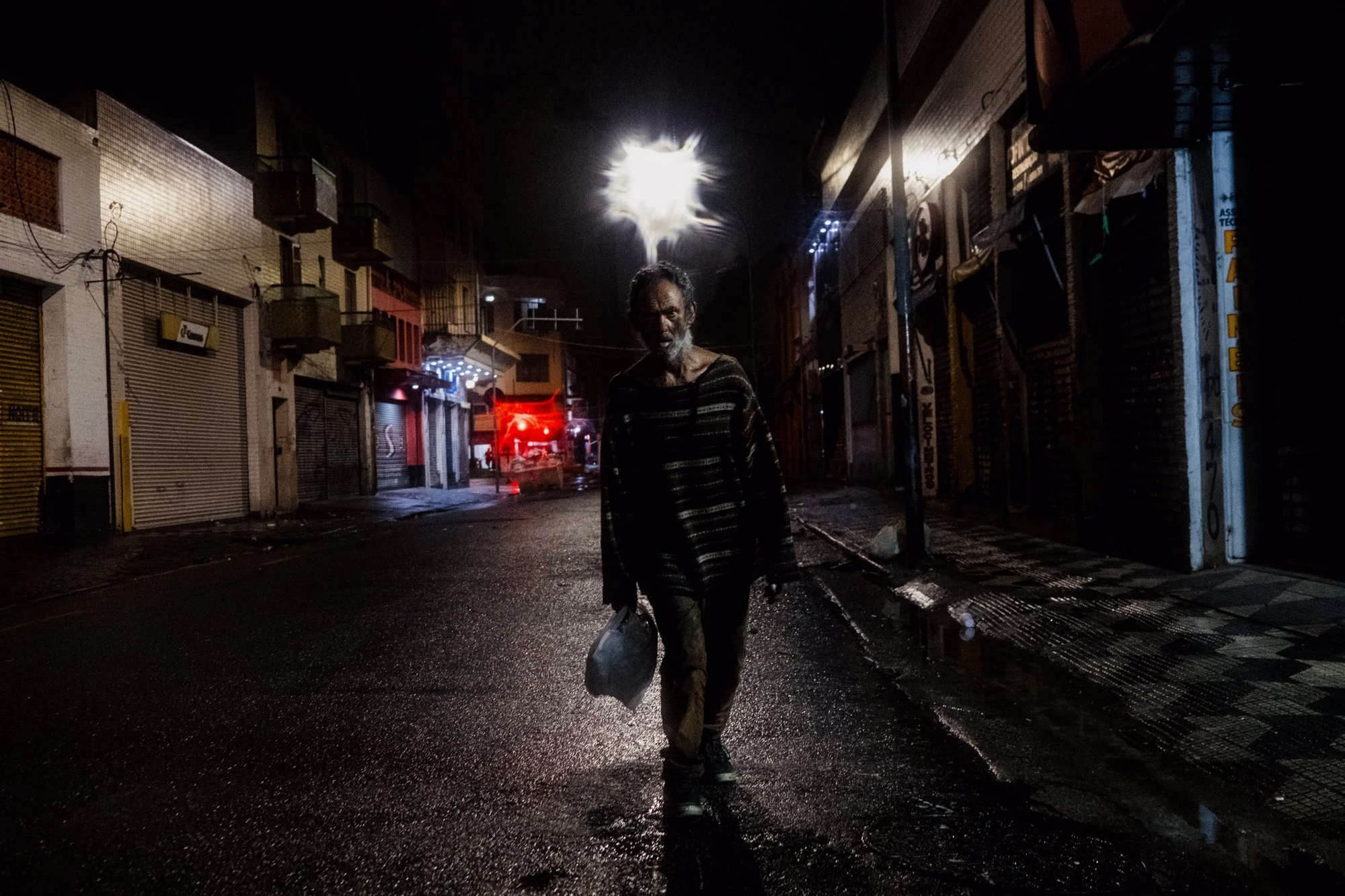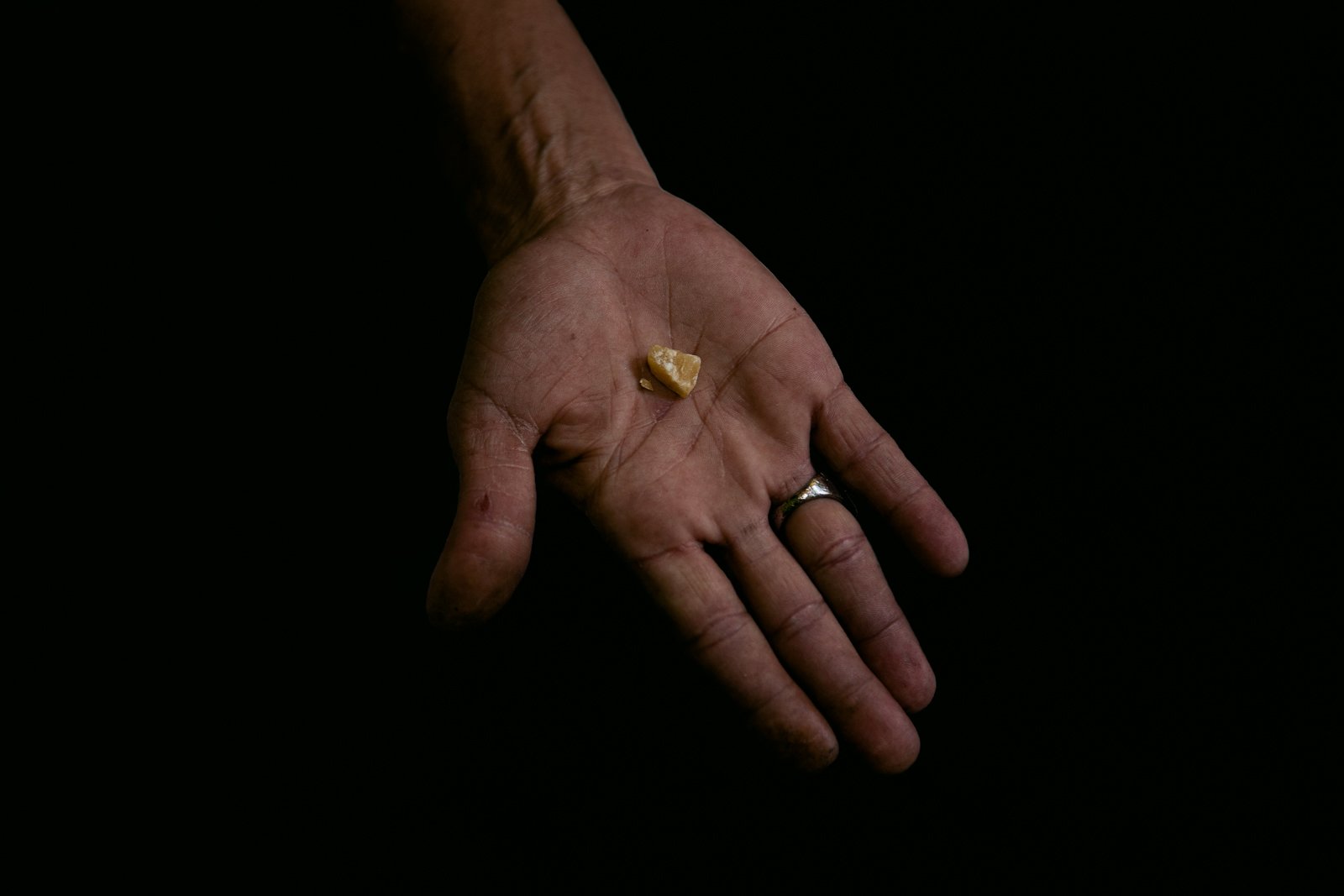
The Portuguese word Zumbi, which comes from the Bantu Quimbundu language spoken in Angola, means corpse, ghost, living dead. So they are called crack users who walk day and night through the streets of Cracolândia in the center of São Paulo. Zumbi also has another meaning: it is the name of the last leader of Quilombo dos Palmares, an autonomous community formed in the seventeenth century by former slaves who fled from Brazilian plantations. Quilombos were black, marginal and peripheral territories. In Brazil they are still a symbol of resistance.
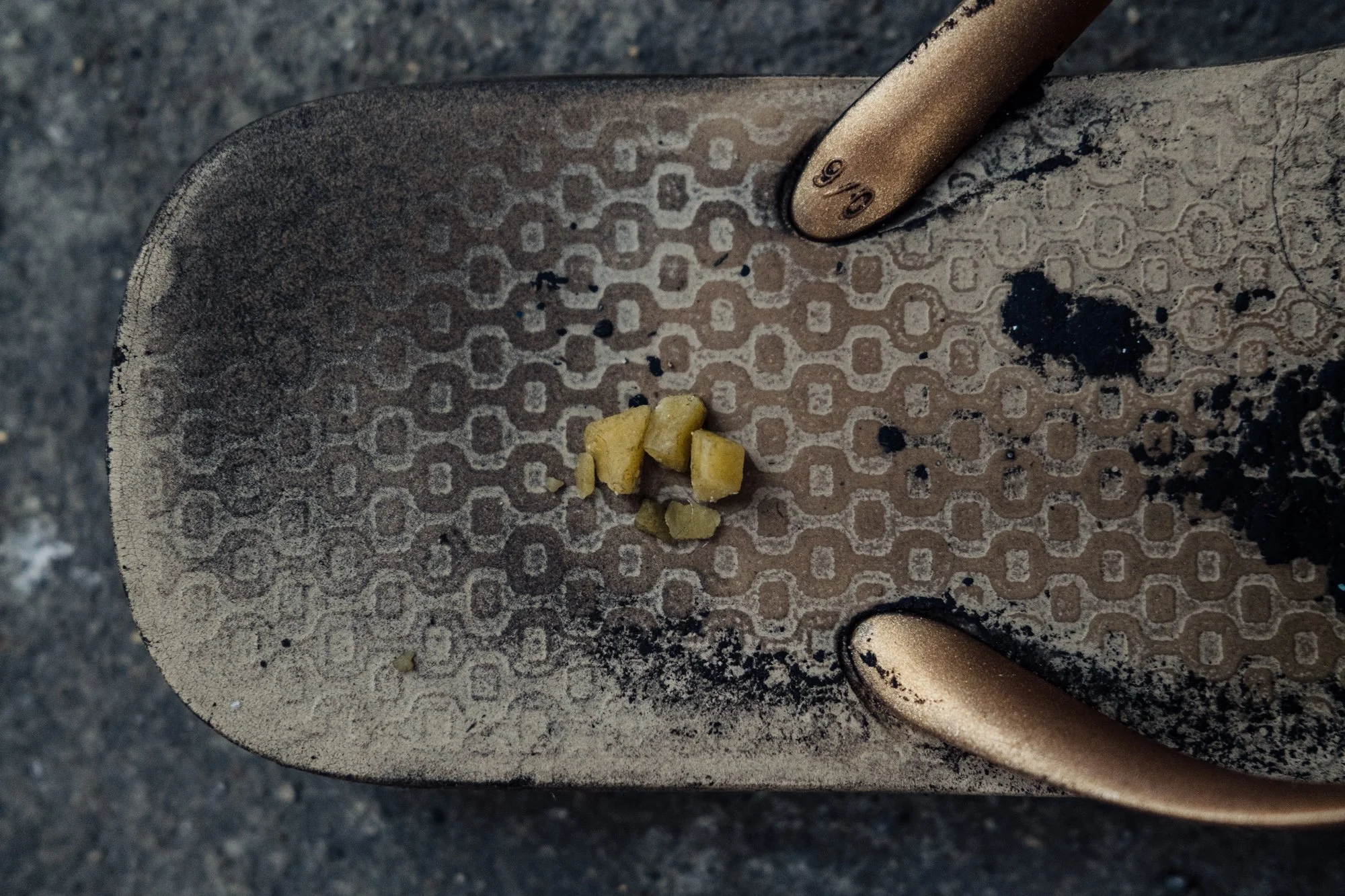
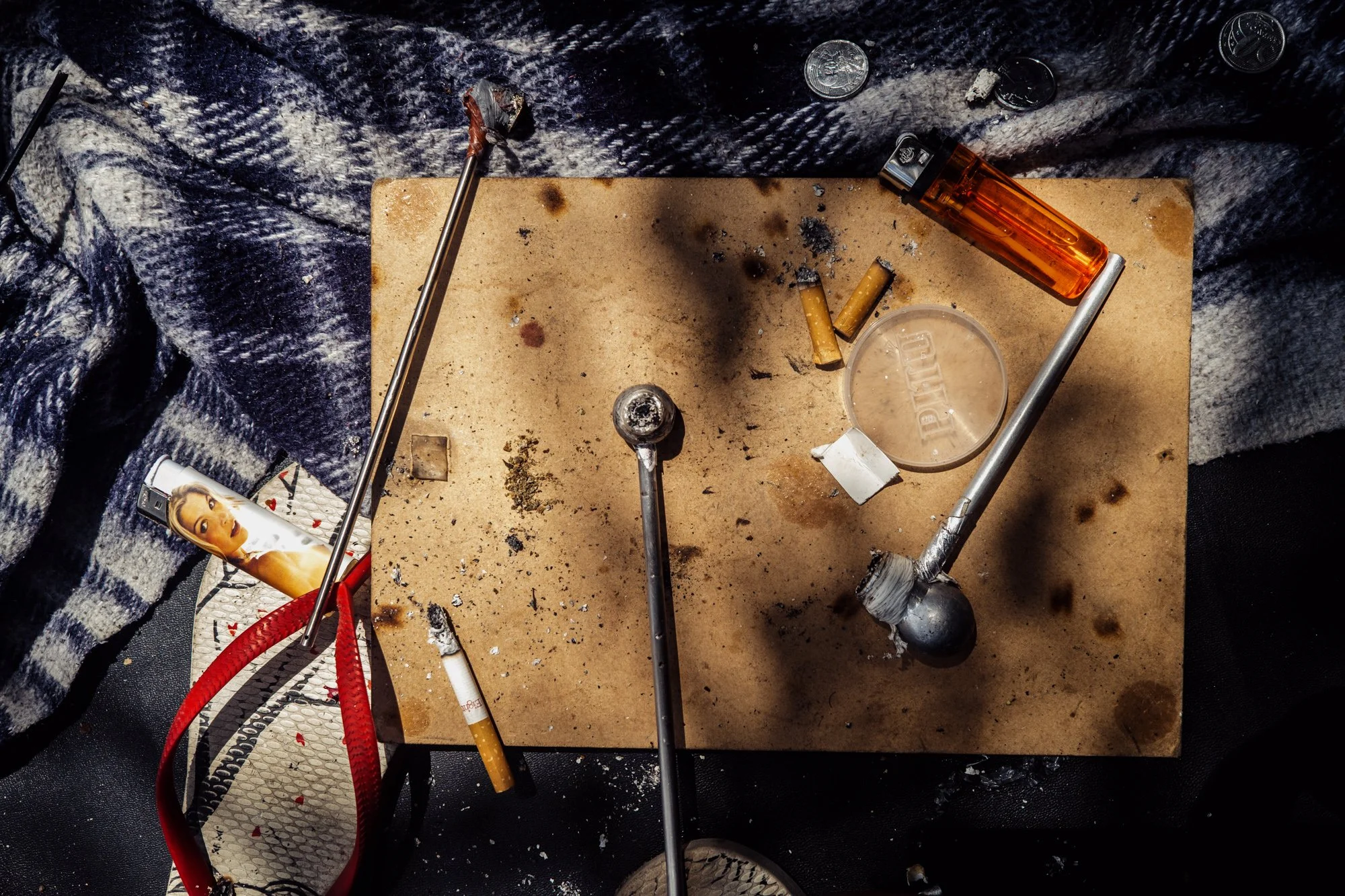
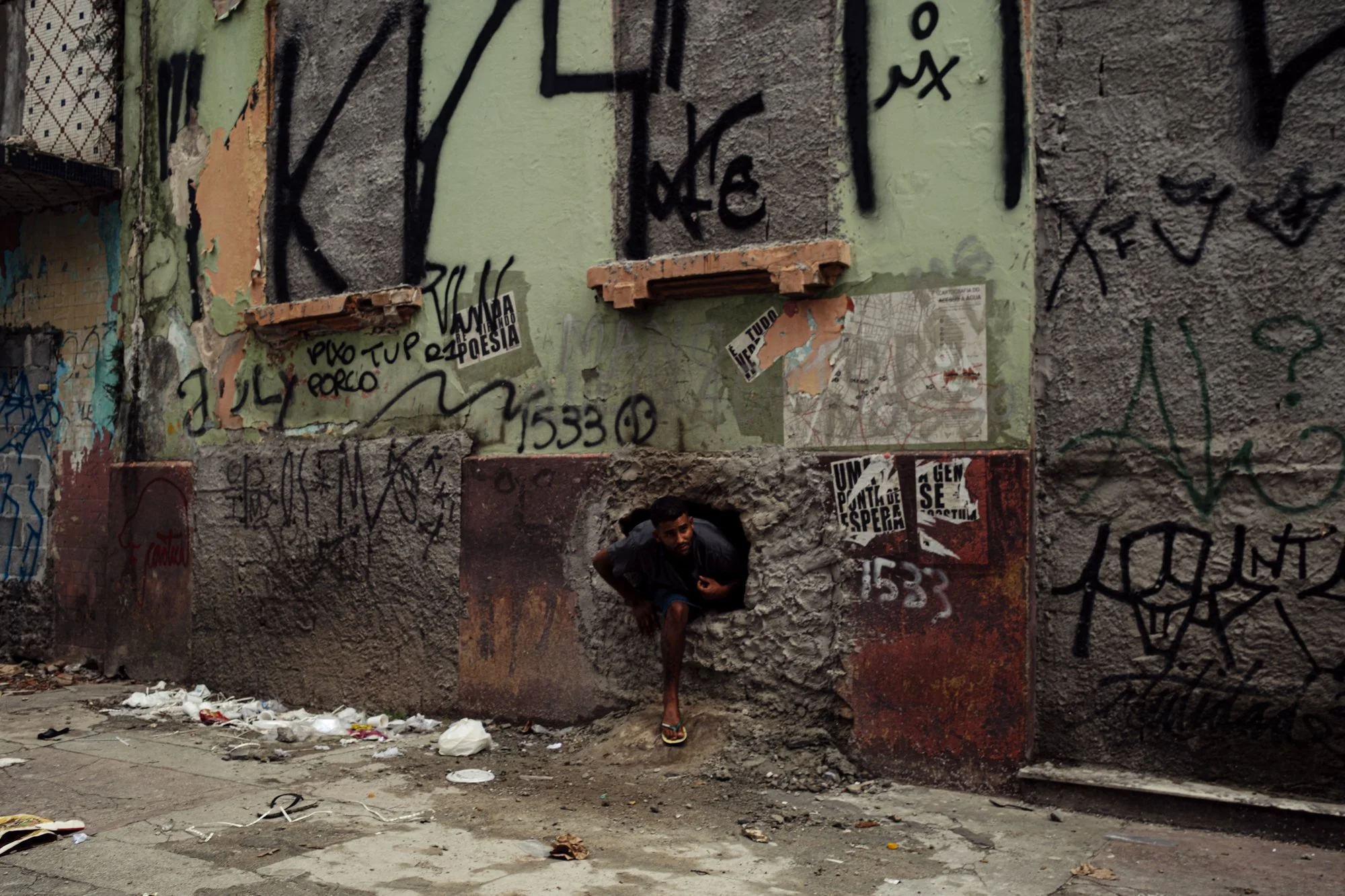
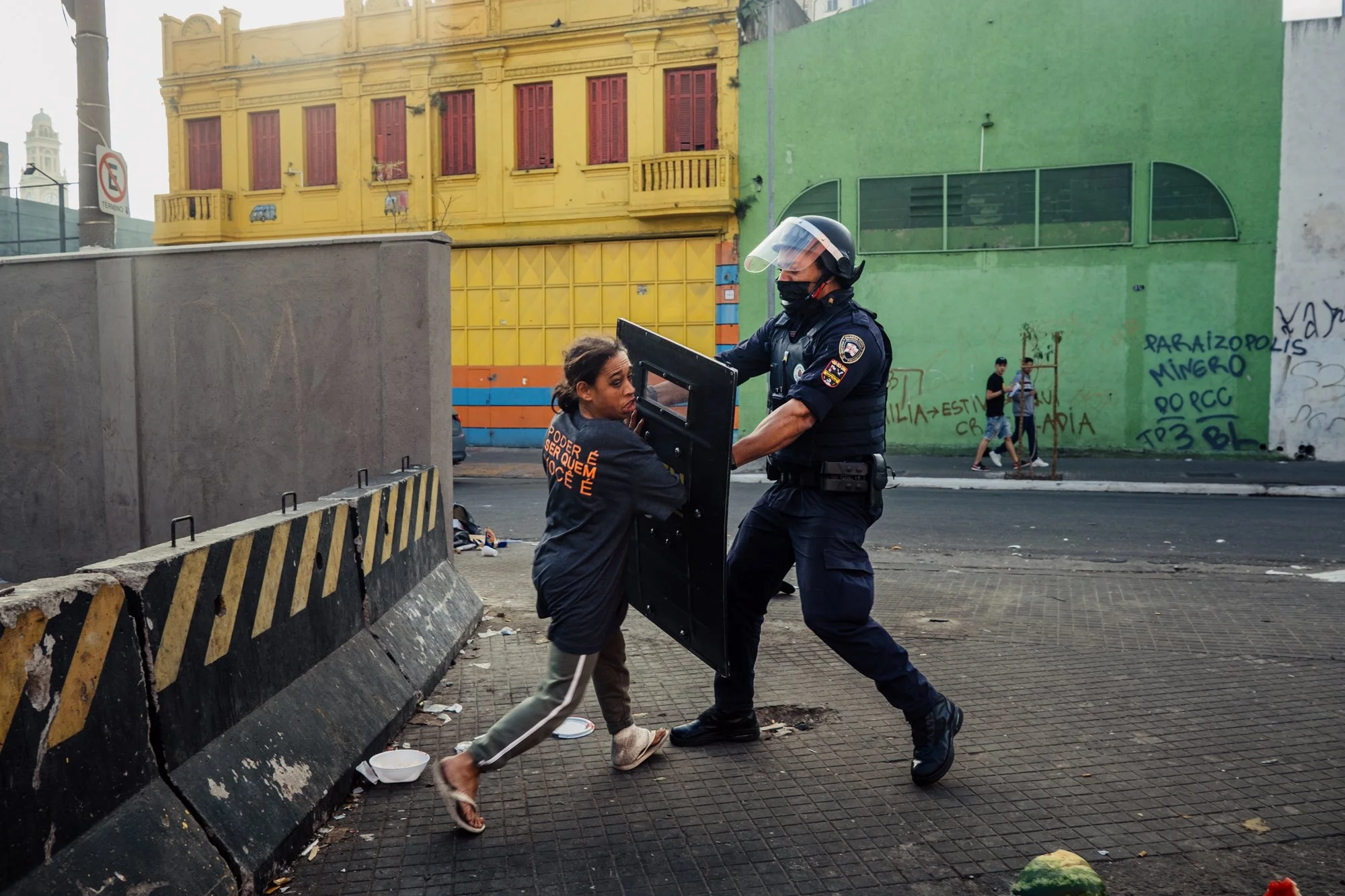
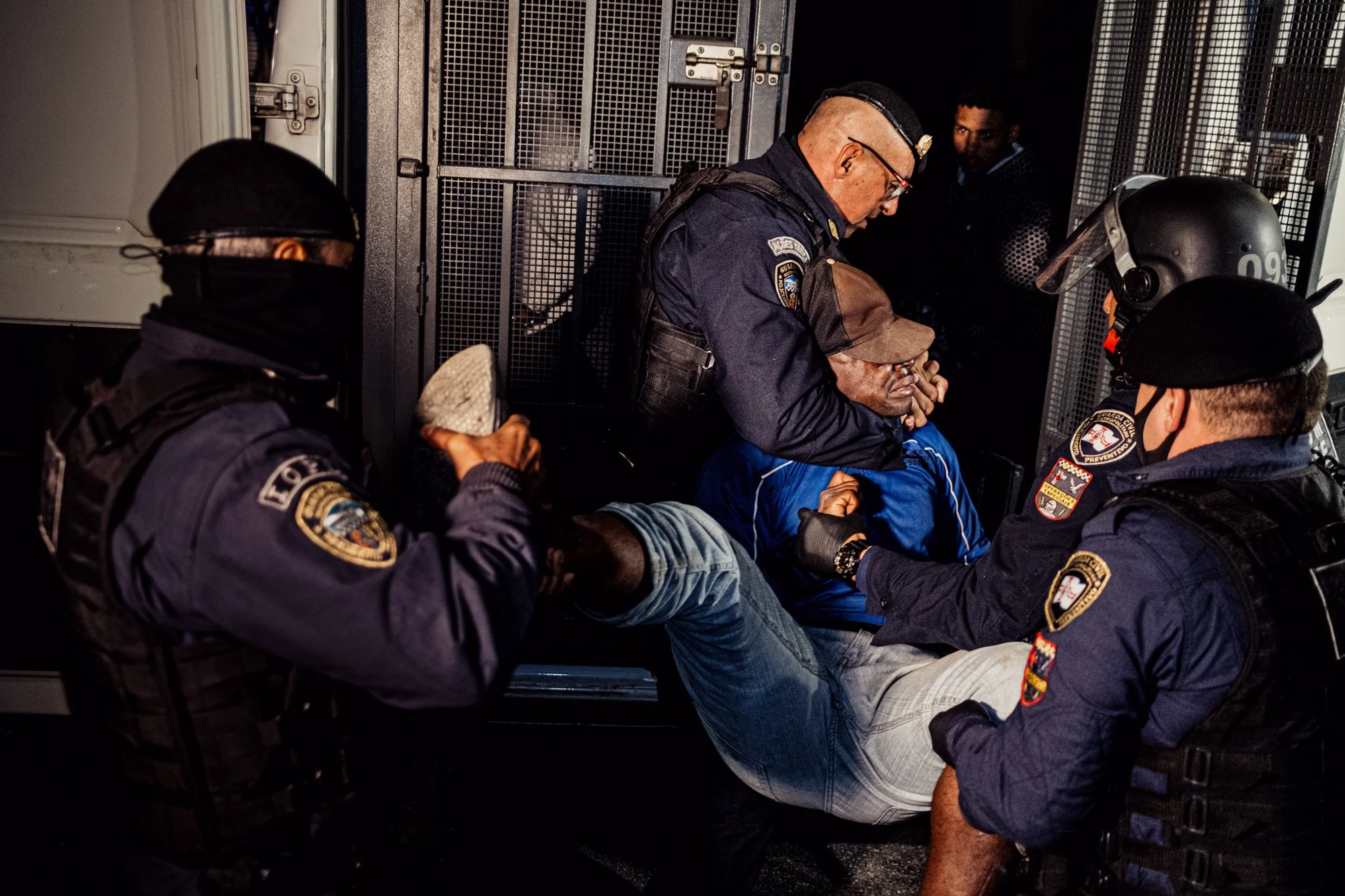
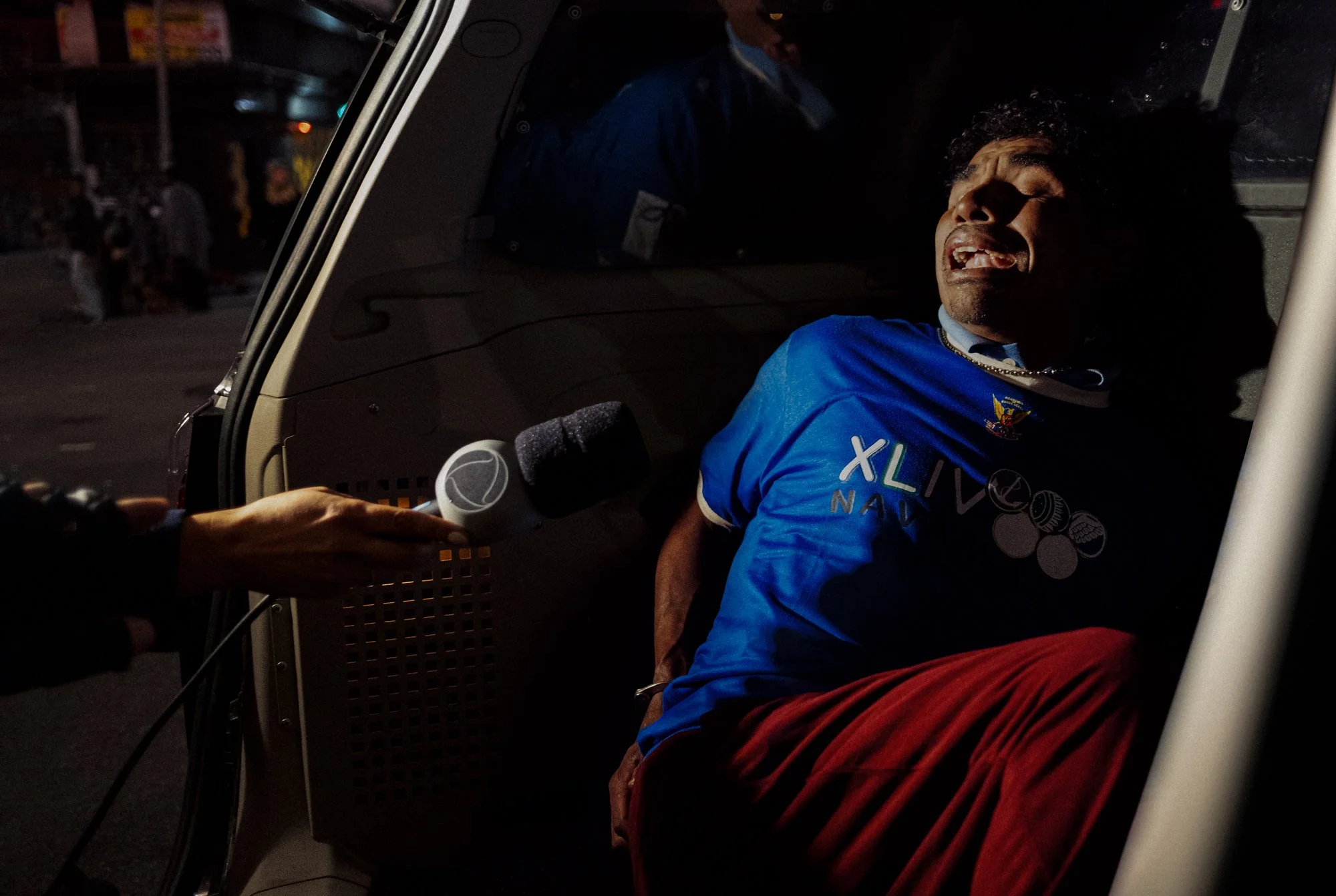
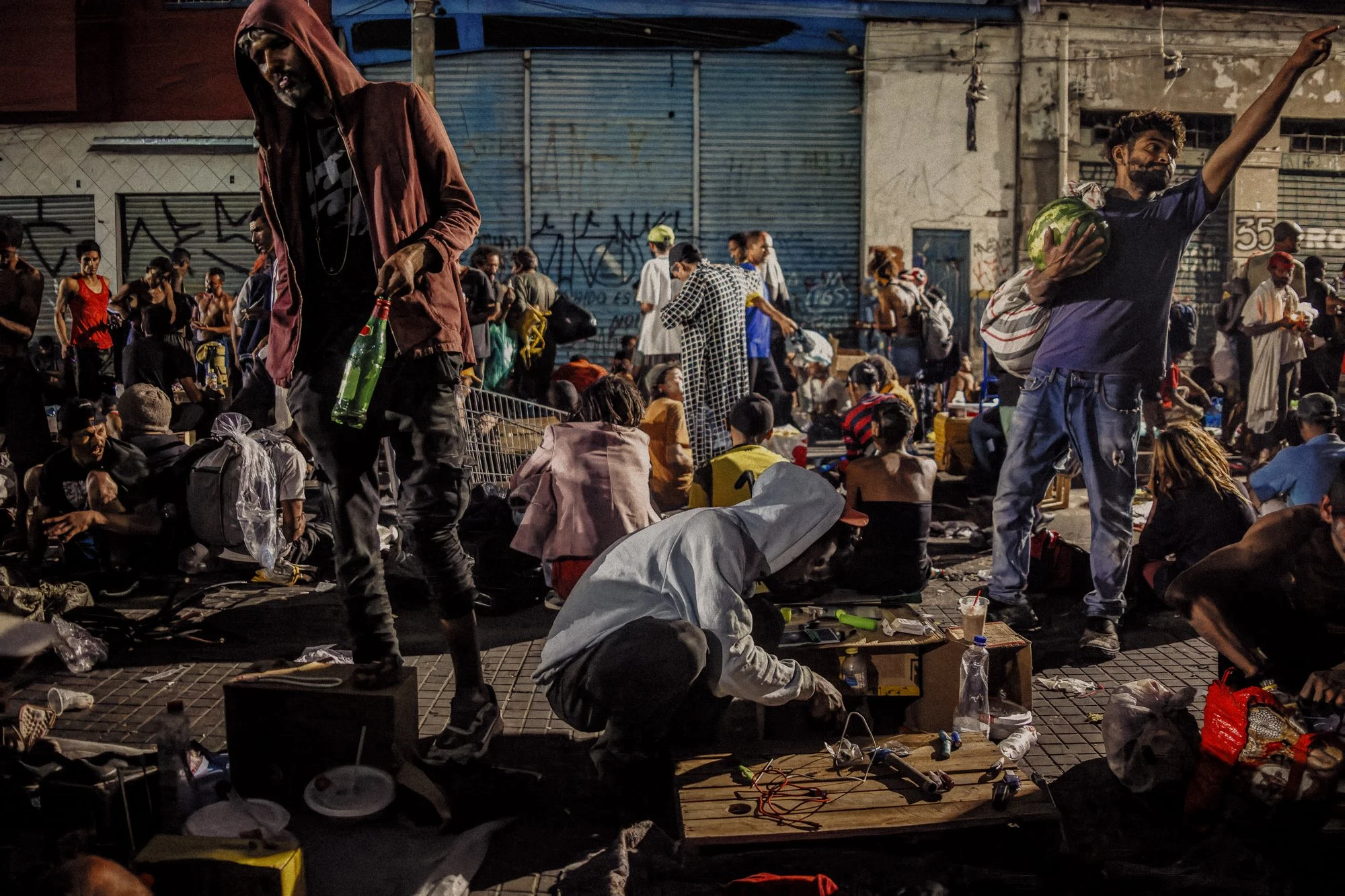
Cracolândia, the land of crack, is the name of a single block of buildings in the center of São Paulo, Brazil. The area is host to some 1,600 people a day, who either live on the streets or come in to buy and consume crack cocaine, day and night. For decades, the neighborhood has been a challenge for the city government. From 2014 to 2017, the project “De Braços Abertos” (Open Arms) offered addicted drug users alternatives including housing, food and employment. But after 2017, a change in the city’s administration from a left-leaning to more right-wing government saw the strategy shift to coercing drug users in rehab clinics, as well as massive police operations that rounded up addicted drug users. This war on drugs and addiction has been used as a justification for gentrification: demolishing old houses and building new ones, which hands profits to construction companies and often displaces locals as middle and upper class residents move in.
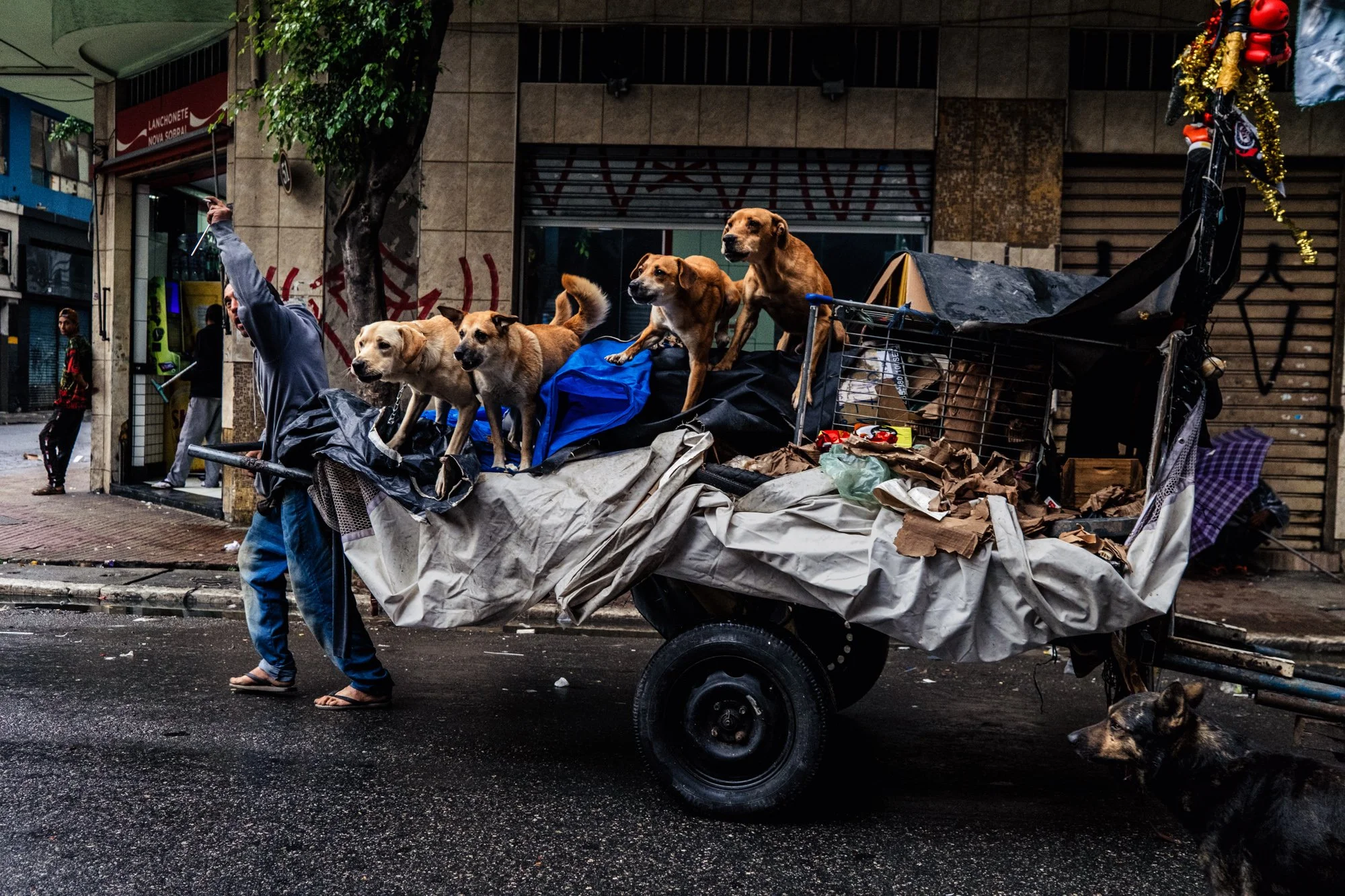
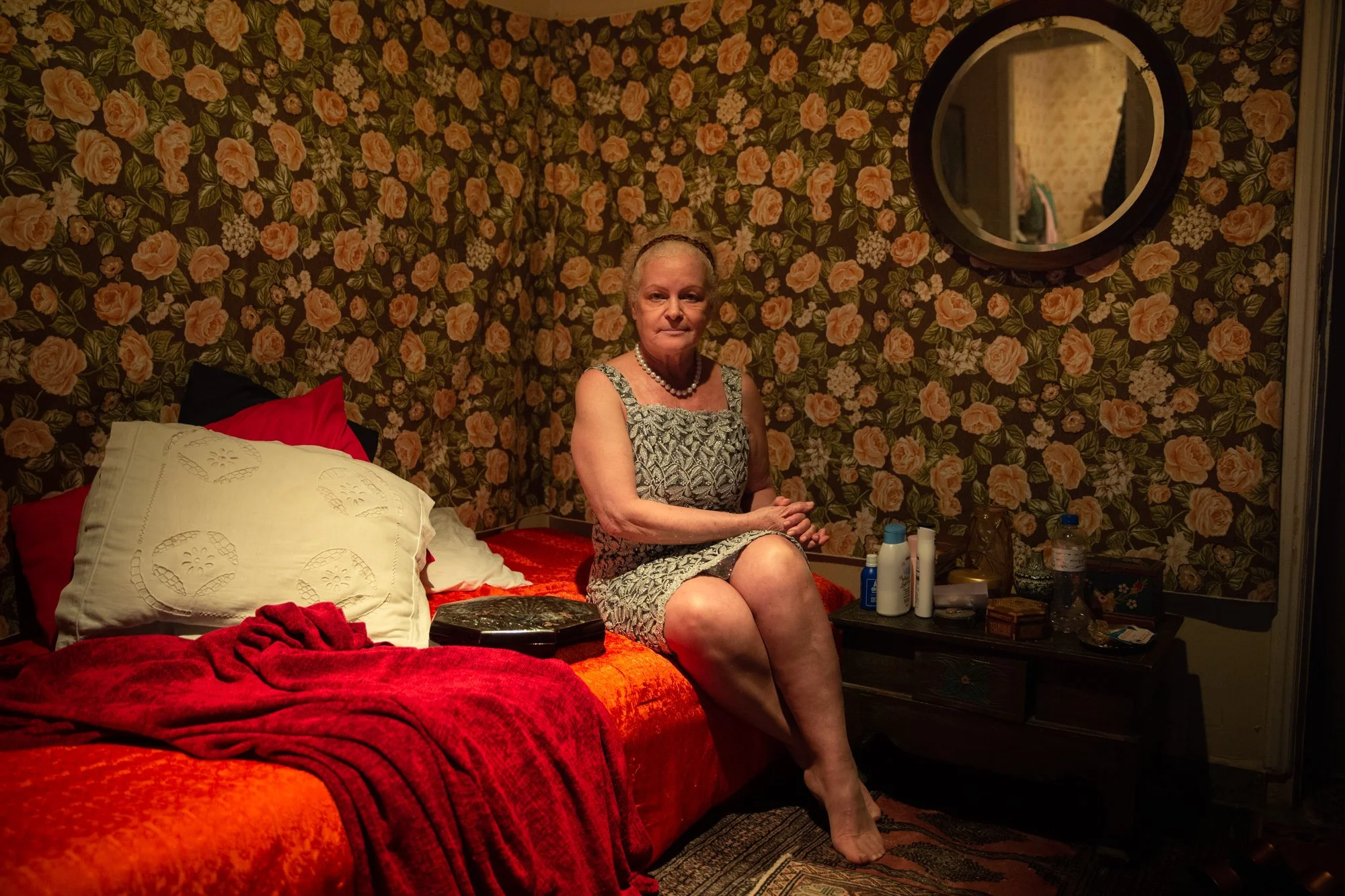
I’ve been documenting Cracolândia for three years, with the aim of constructing an alternative narrative around this stigmatized community. I got to know many drugs users, and found that the factors that result in their ending up on the streets go beyond their crack consumption: inequality, unemployment, and a lack of supportive public policies, for example. Most of the people who frequent this area are black, have a low level of schooling and many have spent time in prison. For the inhabitants of São Paulo, Cracolândia is an incurable cancer, developed in the last three decades in the belly of the Brazilian megalopolis; while, for the bodies that inhabit it, this place is quilombo and community, as well as home, as the last possible shelter.