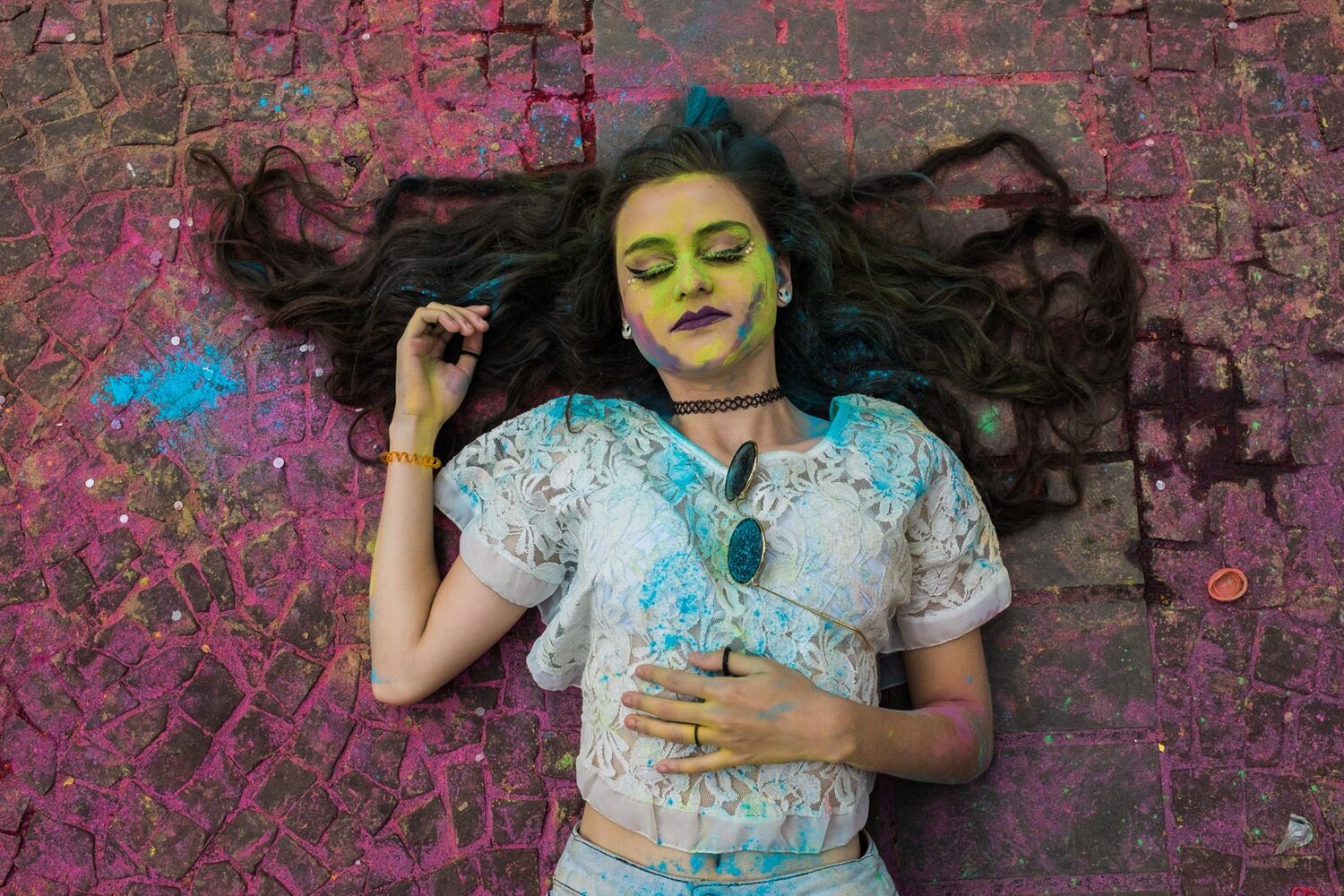
Bodies exhibited, desired, consumed. The setting is São Paulo’s street carnival: five days of parades, dancing, legal and illegal substance use, and encounters unfolding in an almost orgiastic atmosphere.
Traditionally, this celebration has been associated with other Brazilian cities, such as Rio de Janeiro, Salvador and Olinda. In recent years, however, São Paulo’s street carnival has emerged as a major event on the national scene.
In 2020, São Paulo hosted what was then the country’s largest street carnival, with 15 million people filling the streets. Over just a few days, 644 blocos took over the city, ranging from traditional samba and axé to punk, funk, rock, sertanejo and techno.
Although most performances were concentrated in the city center, events also brought life to the outskirts of this vast metropolis.
Increasingly popular and accessible, São Paulo’s street carnival belongs to the streets and to everyone, far removed from the Sambadrome, where prestigious samba schools parade before paying audiences.
As we wait for the next edition, one question remains: in the midst of the crowd, you can put on a mask — or take it off completely.


