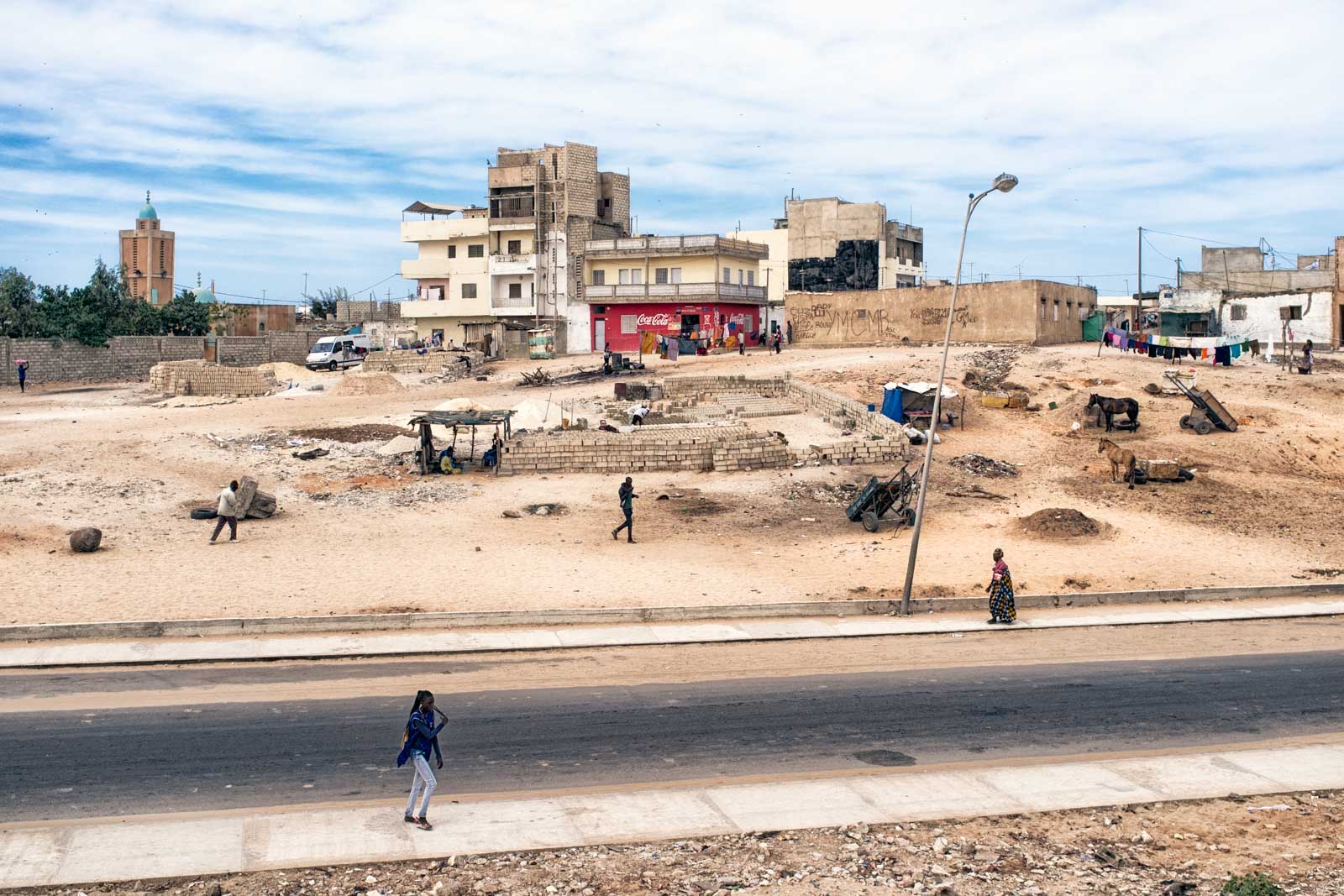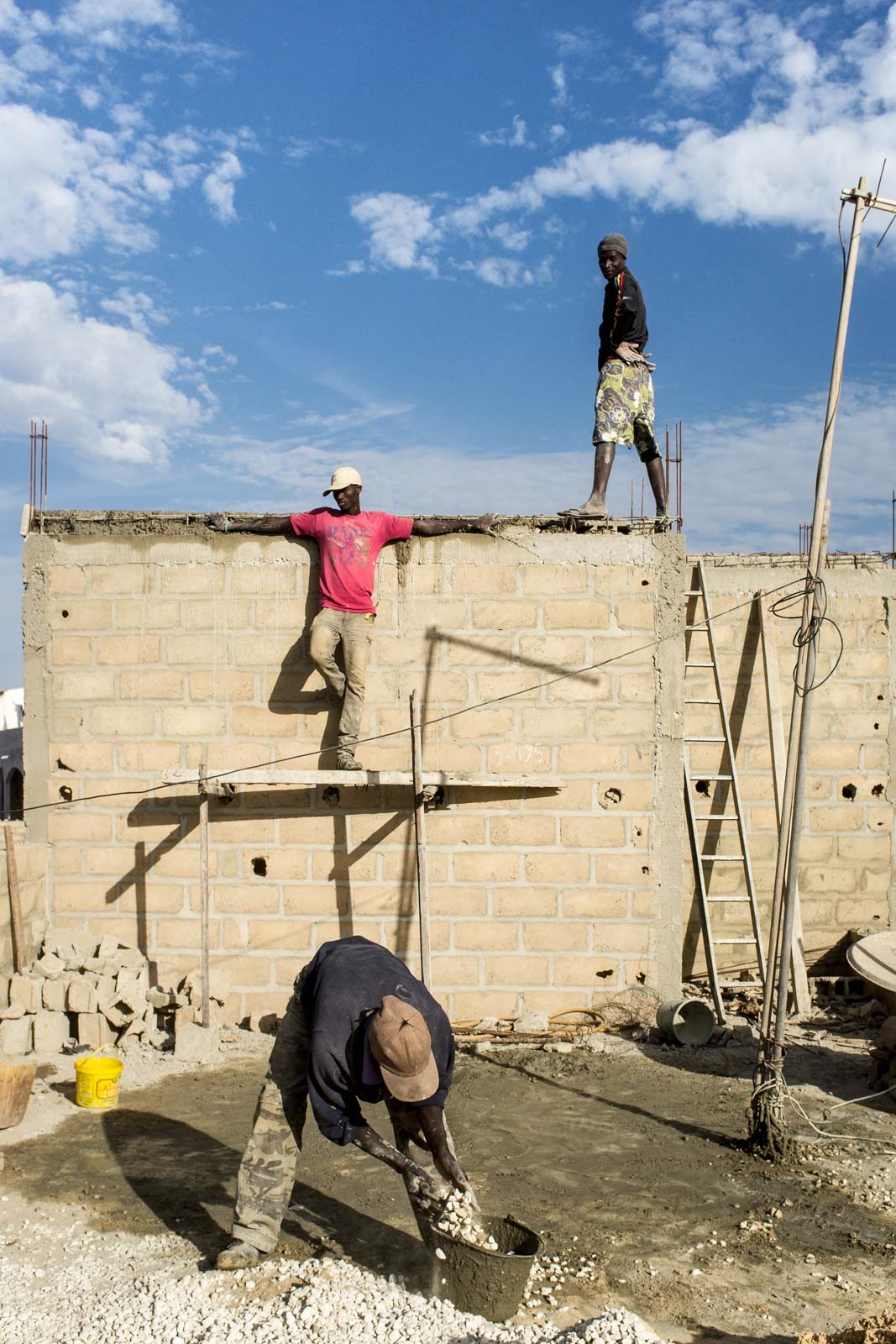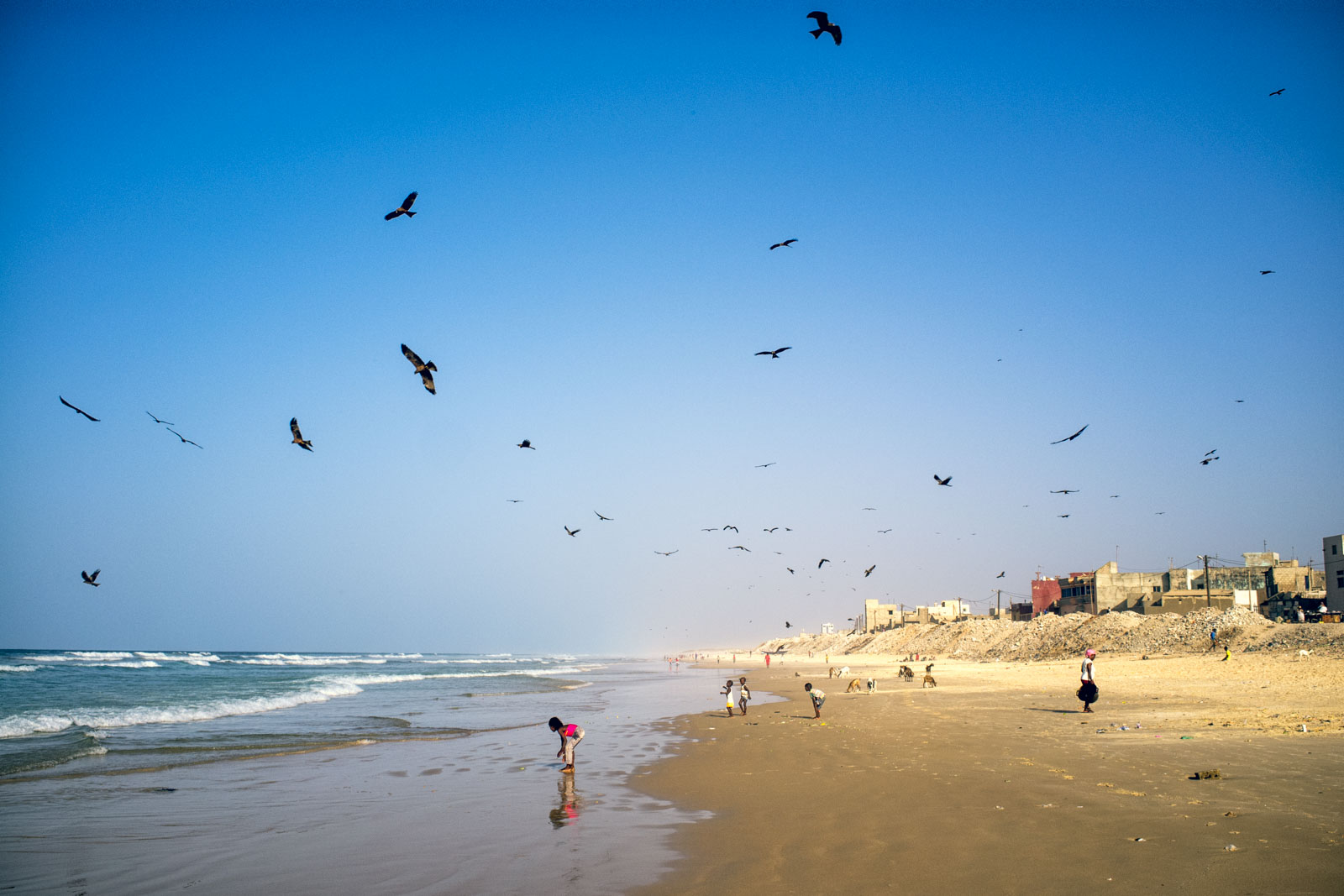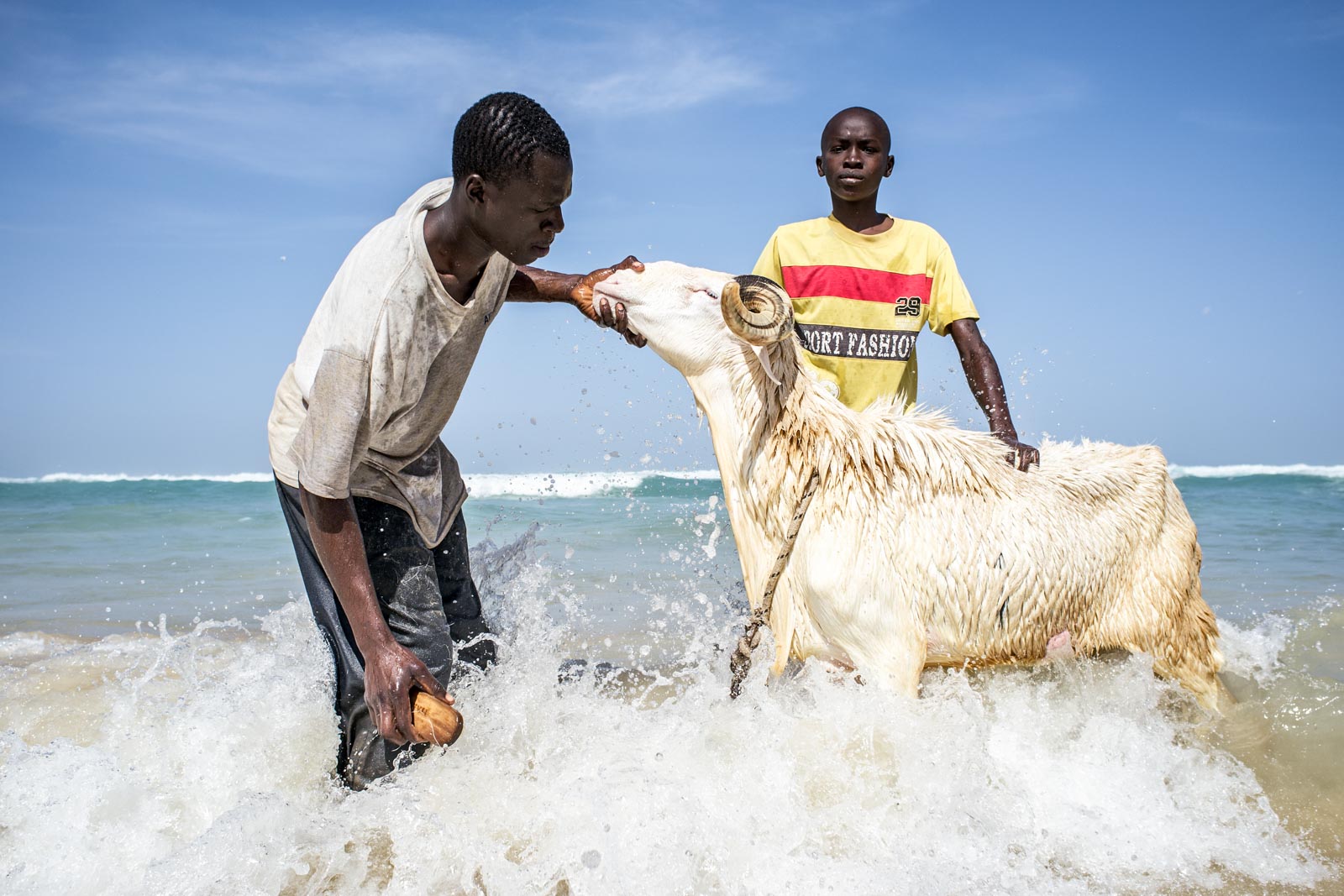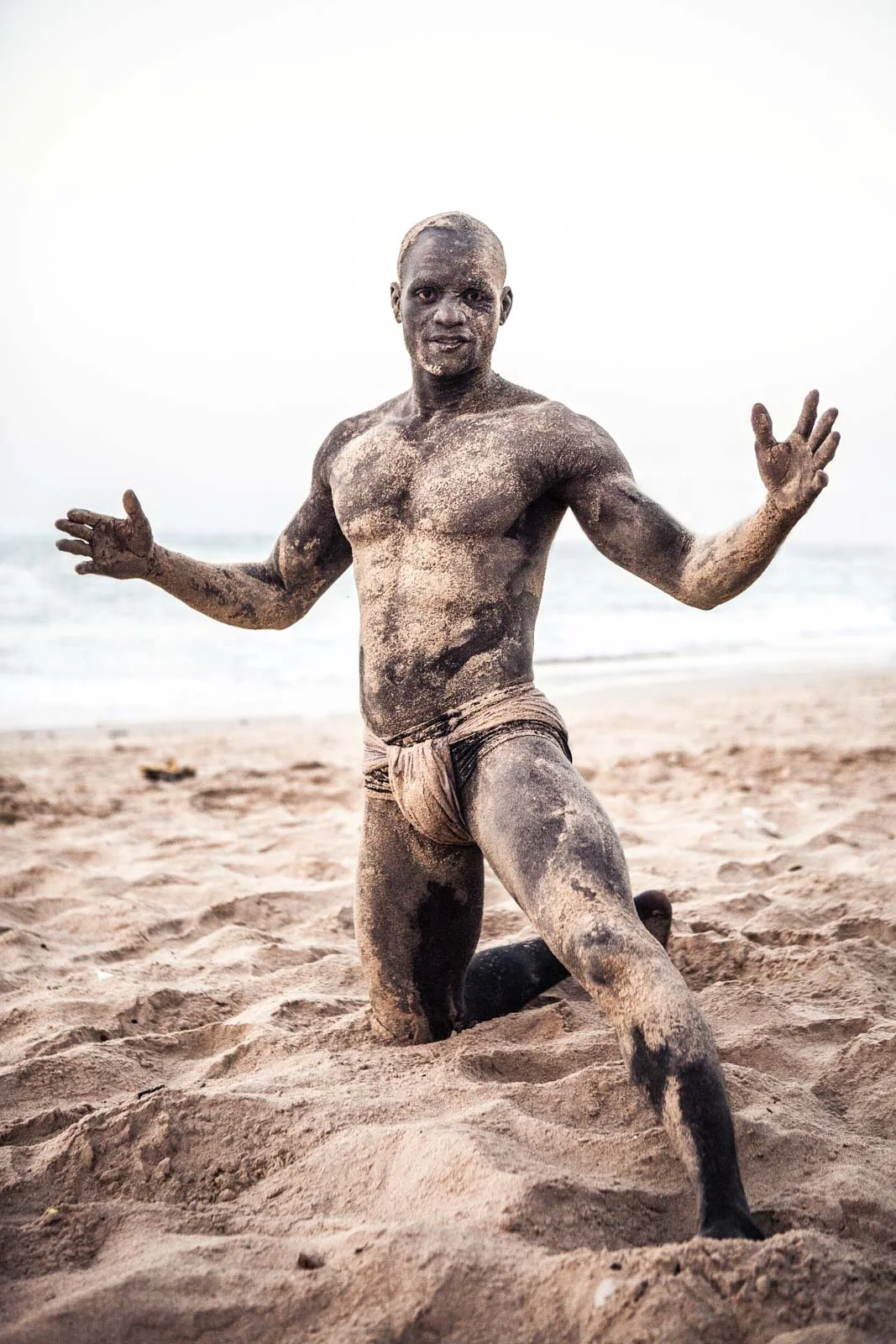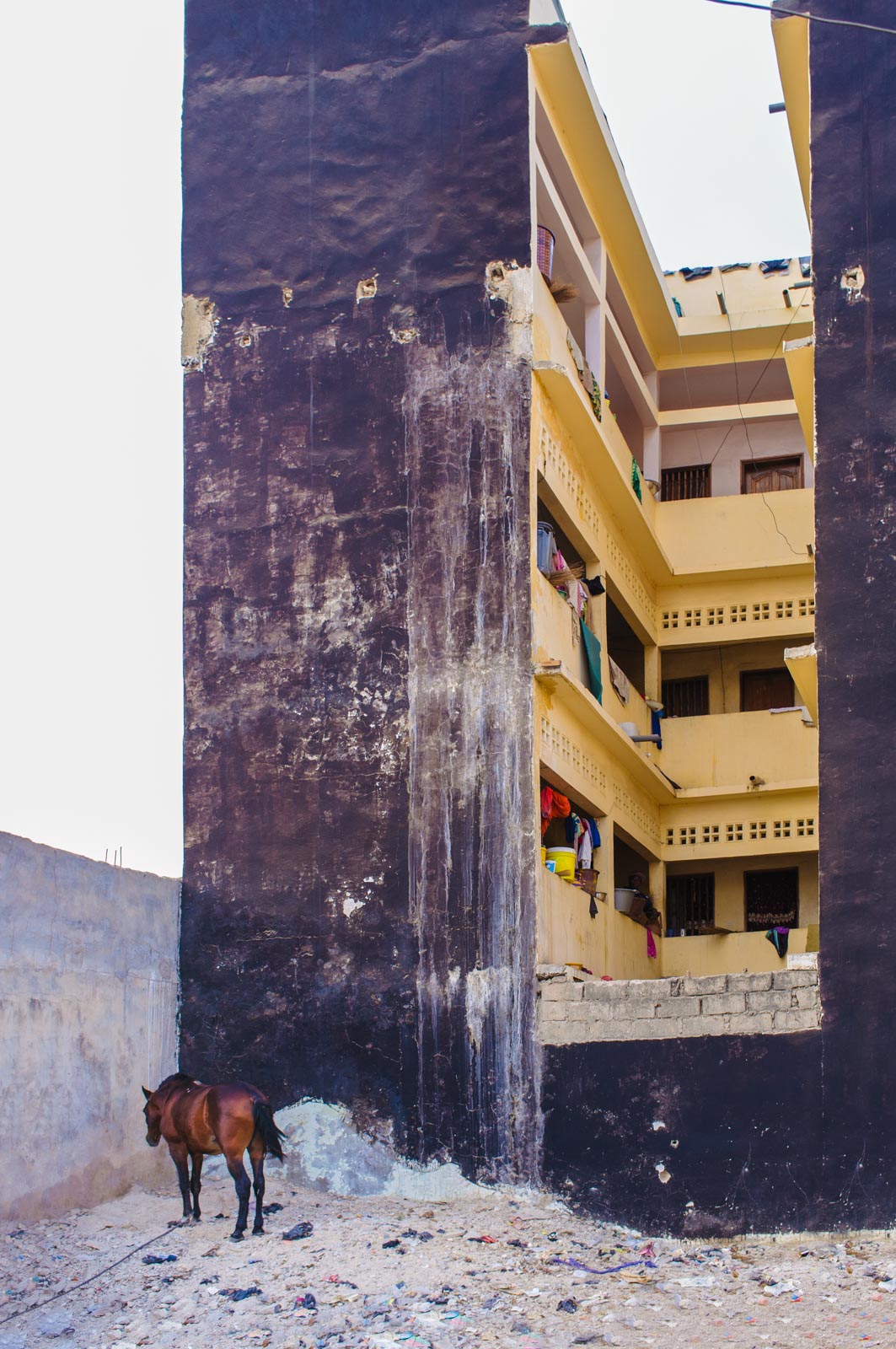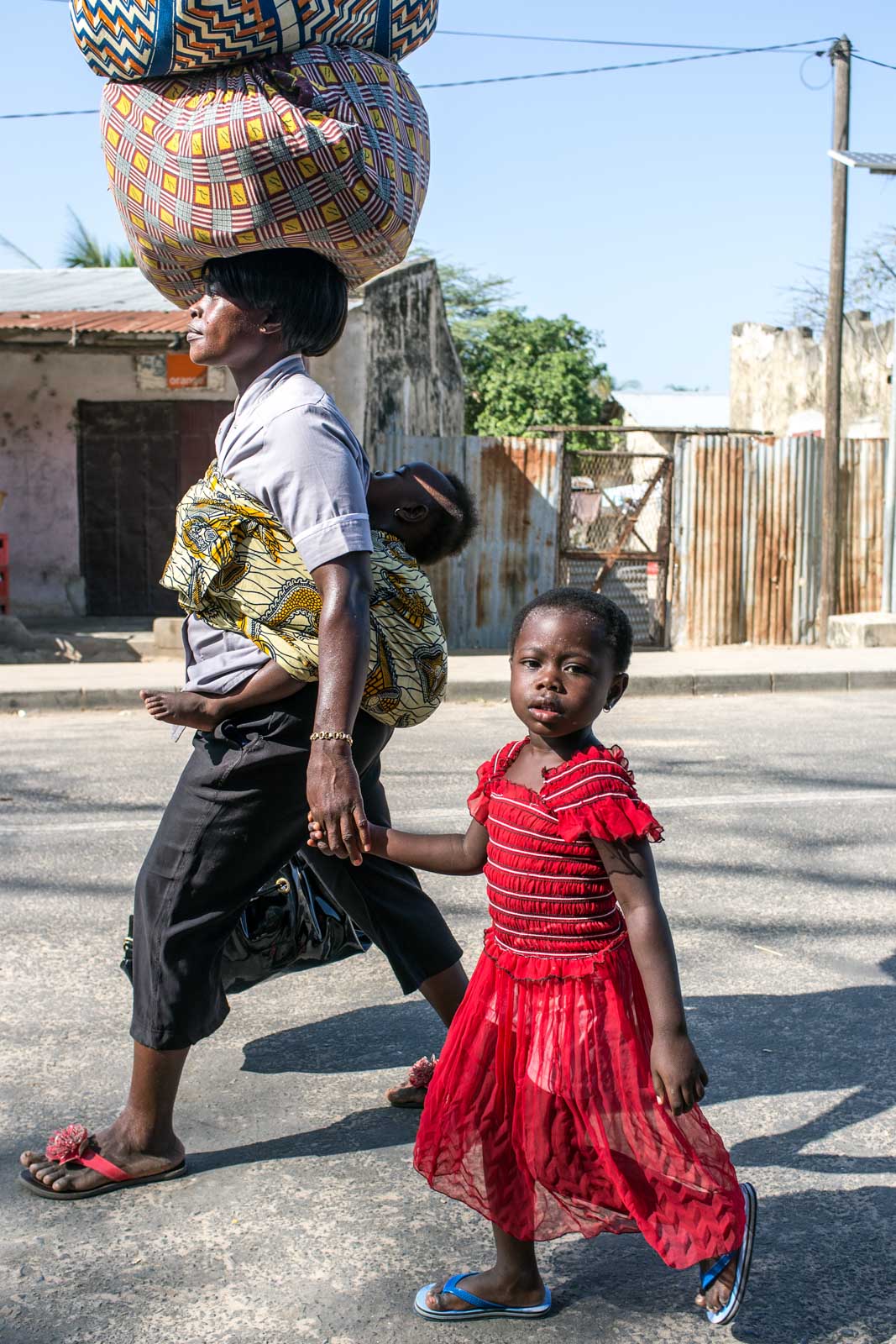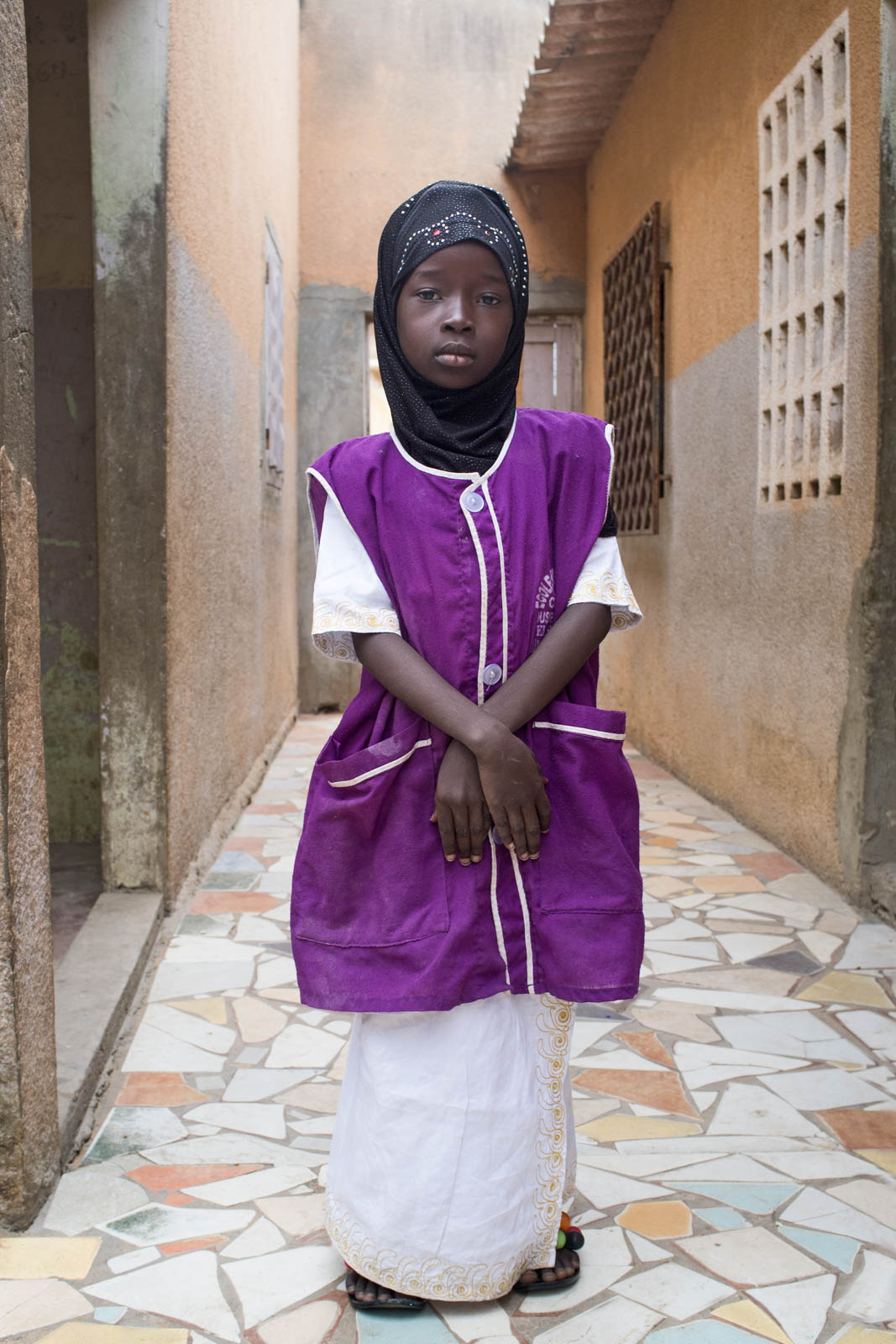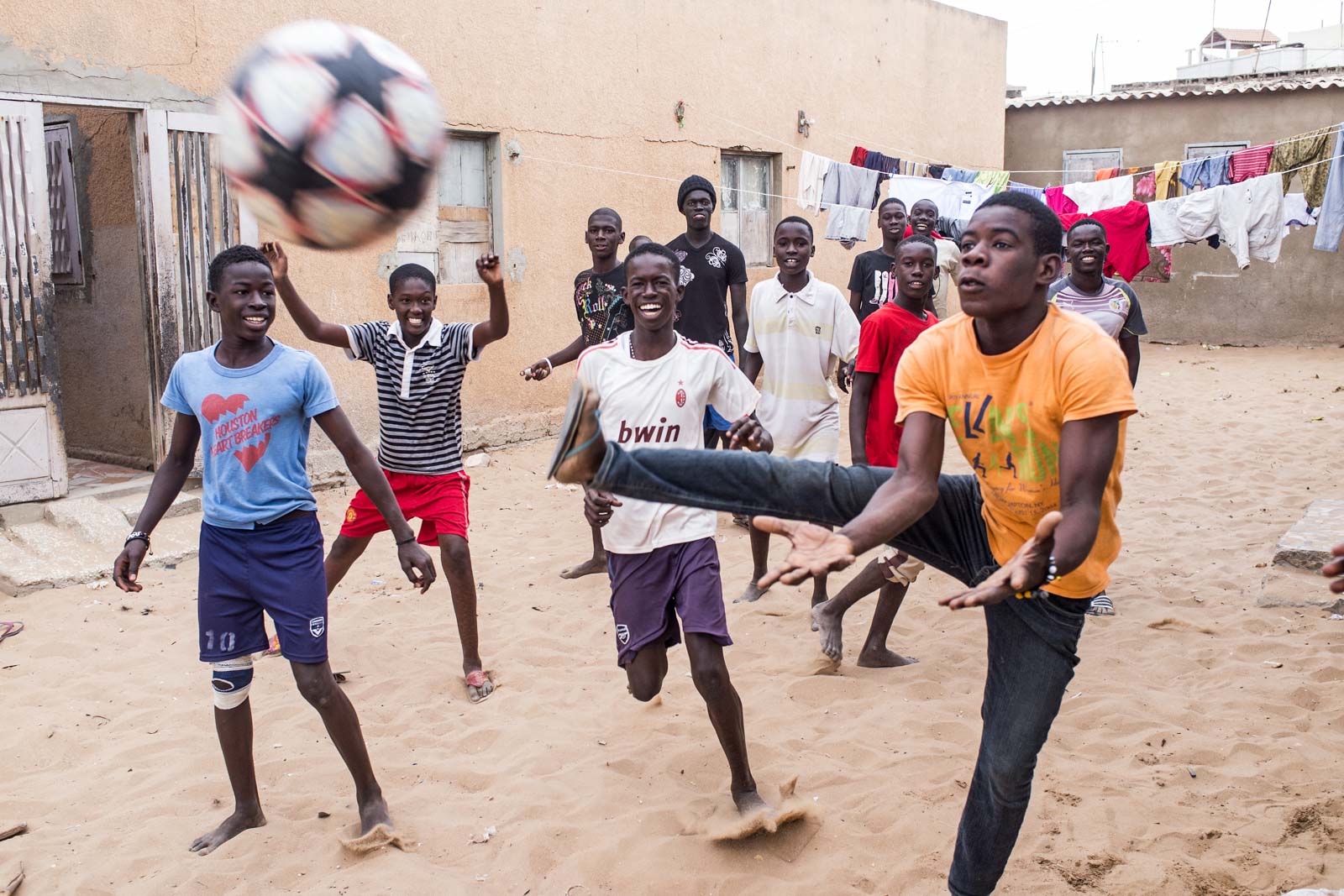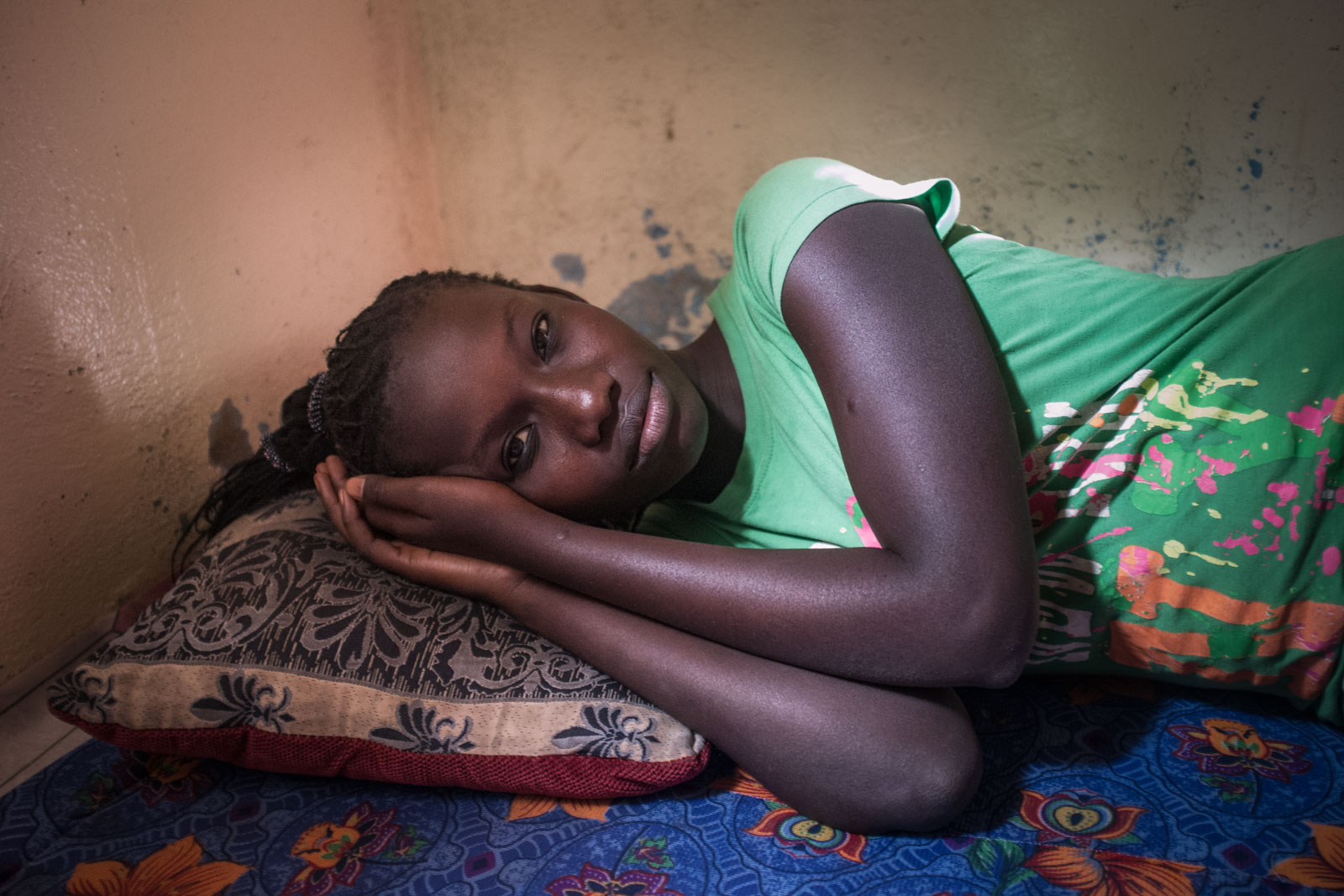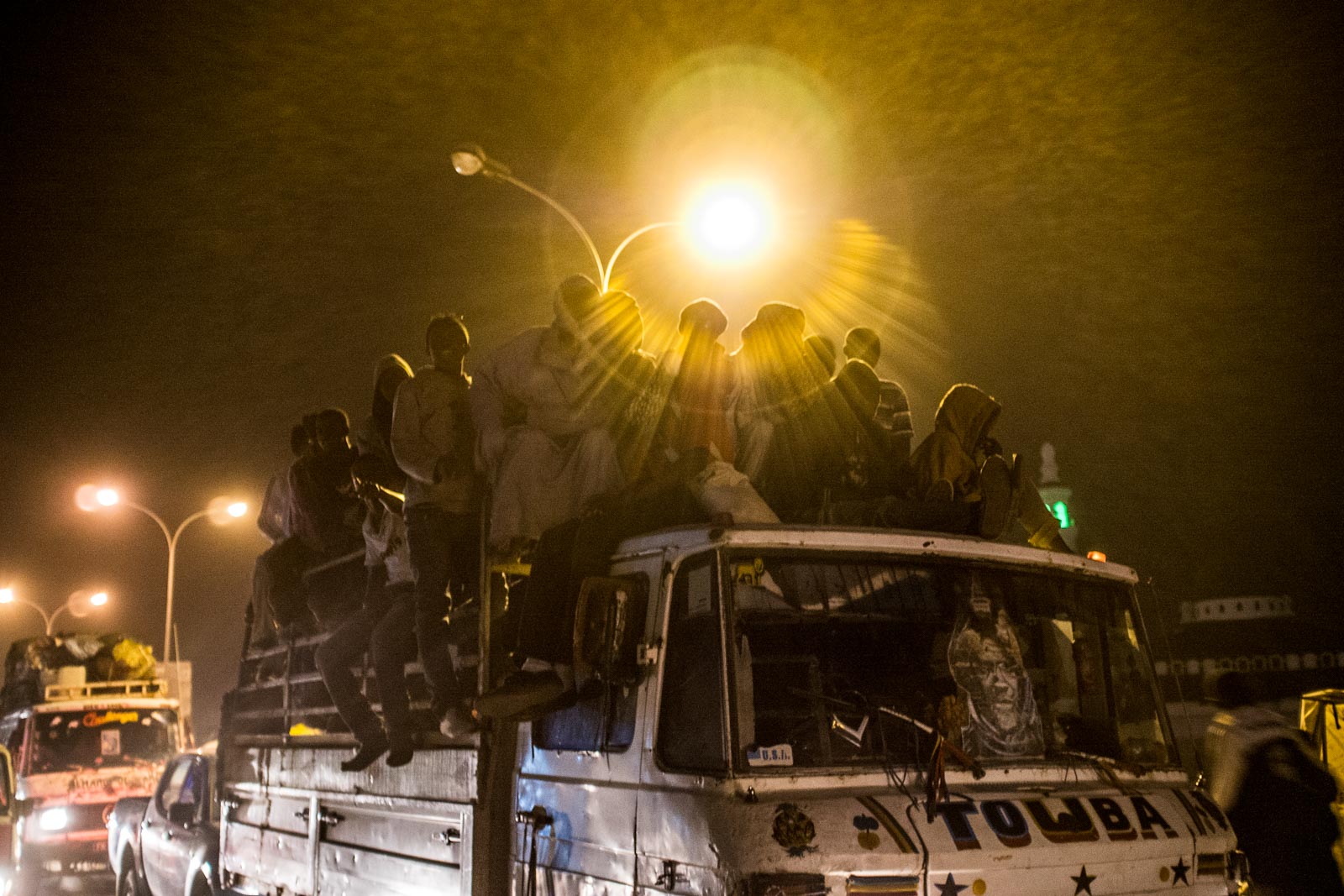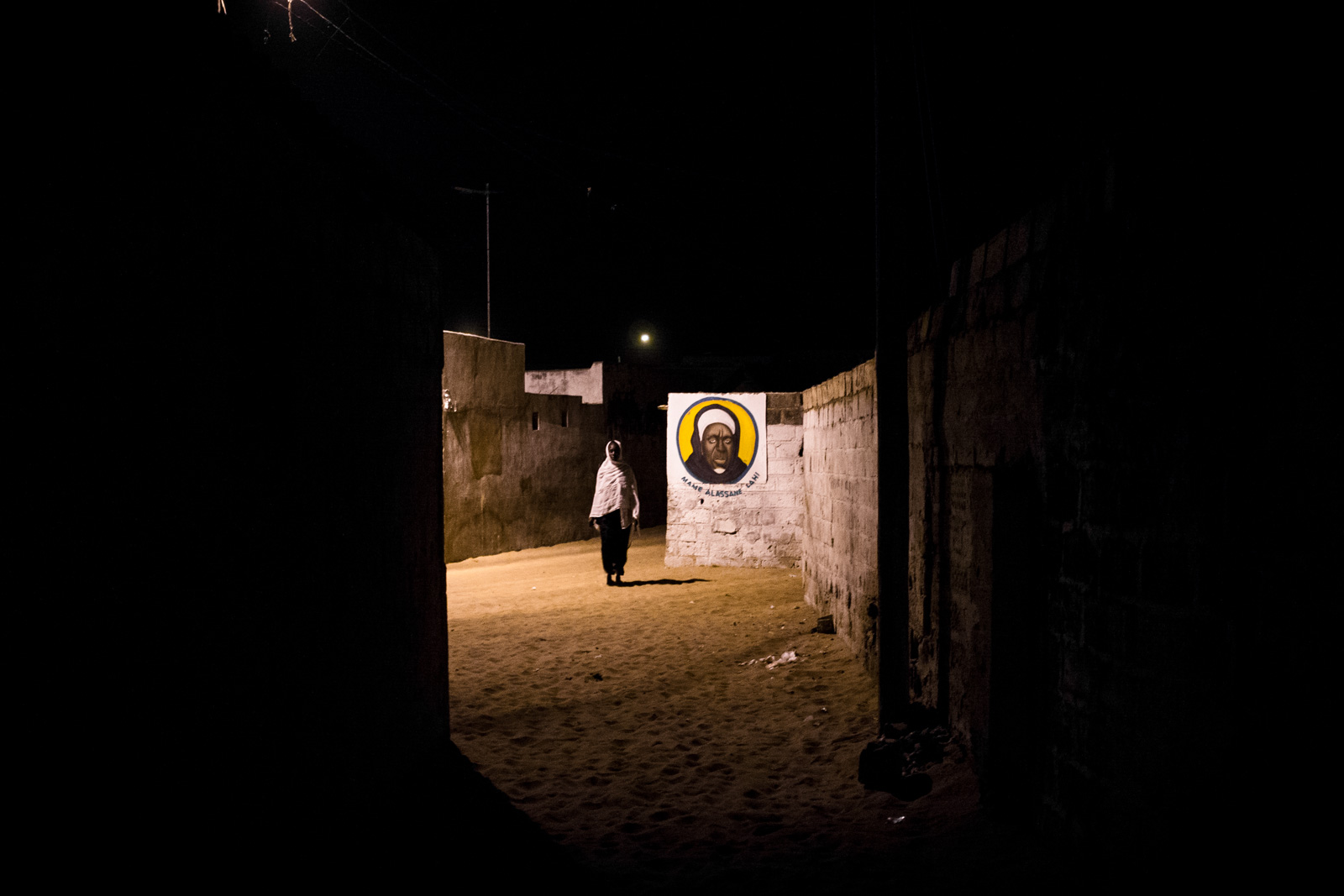
At first glance, Cambérène looks like many other suburbs of Dakar, with dusty streets, colorful markets and people gathered along the roadside. Once a fishing village, it has gradually been absorbed by the expanding Senegalese capital. Many families live in modest, single-story houses, while new construction progresses slowly, often depending on money sent by relatives living in Europe. Along the coast, fishermen return at sunset to sell their daily catch, while young men play football or practice lamb, traditional Senegalese wrestling, hoping to achieve fame and escape poverty.
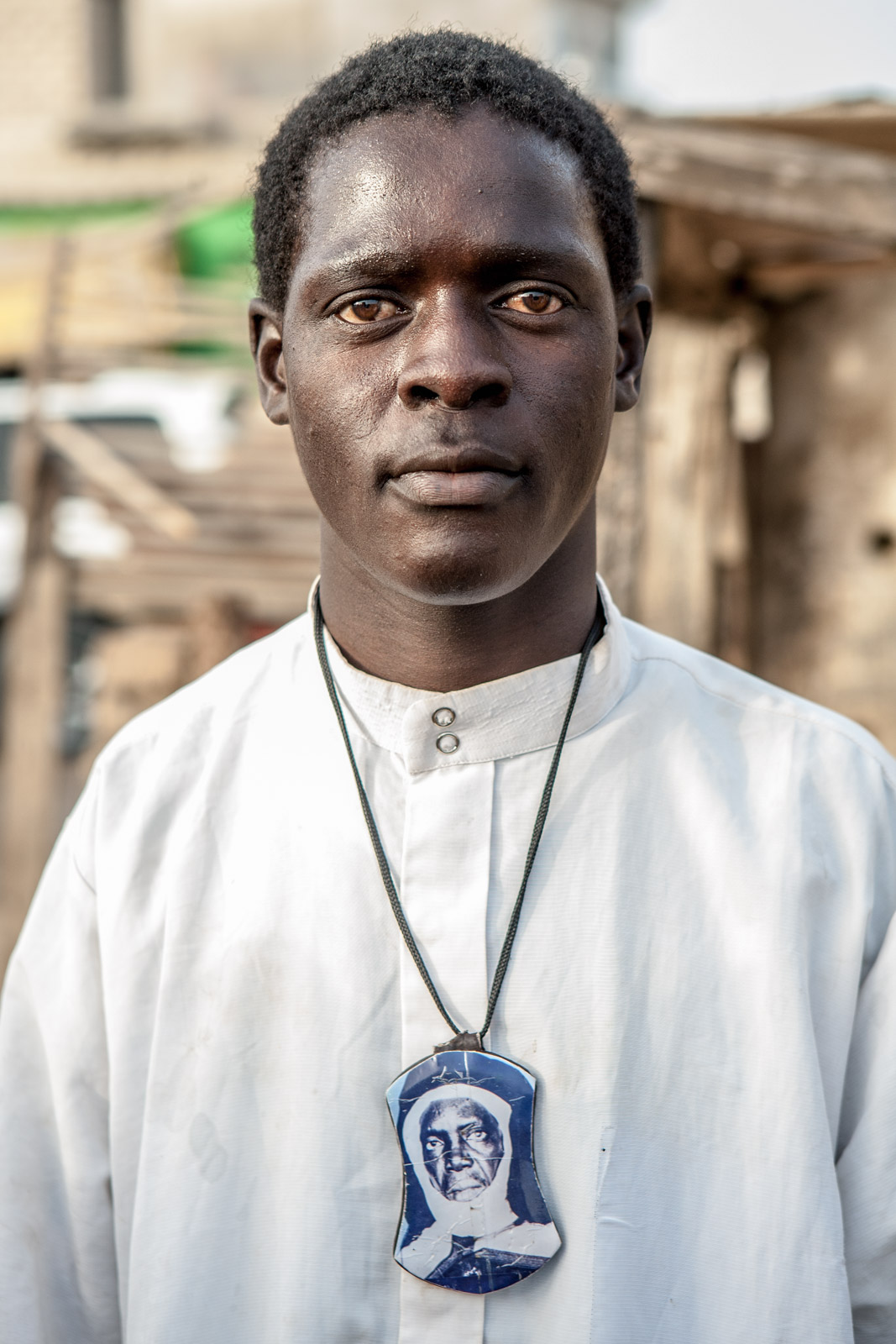
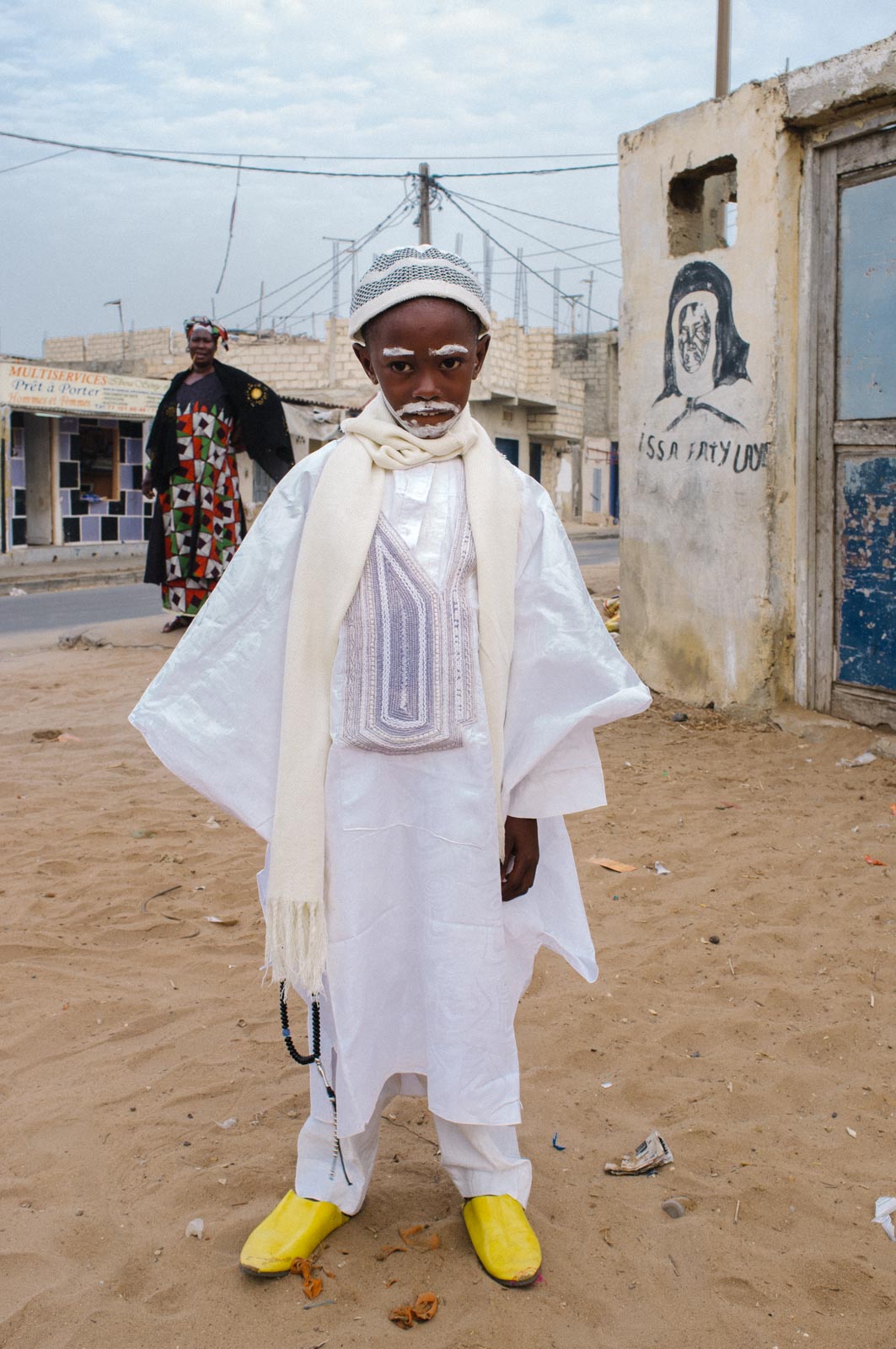
Founded in the late 19th century by Seydina Limamou Laye, Cambérène is considered a sacred city and the spiritual center of the Layene Muslim brotherhood. After proclaiming himself the awaited Mahdi, Limamou Laye faced rejection and exile under French colonial rule before establishing his community along the coast. Following his death, his son Issa continued his mission. Today, the Layene coexist peacefully with Senegal’s other major Muslim brotherhoods, the Tijaniyya and the Mouridiyya, as well as with Christian and traditional religious communities.
Senegalese Islam is largely characterized by moderation and the influential role of religious leaders, known as marabouts, who serve not only as spiritual guides but also as mediators and figures of social and political authority. Religious life is deeply intertwined with traditional beliefs and practices, creating a form of coexistence in which many Muslims and Christians continue to observe ancestral customs. In Cambérène, faith shapes everyday life: alcohol and cigarettes are prohibited, and every Friday residents dress in white and gather at the mosque overlooking the sea to pray and sing.
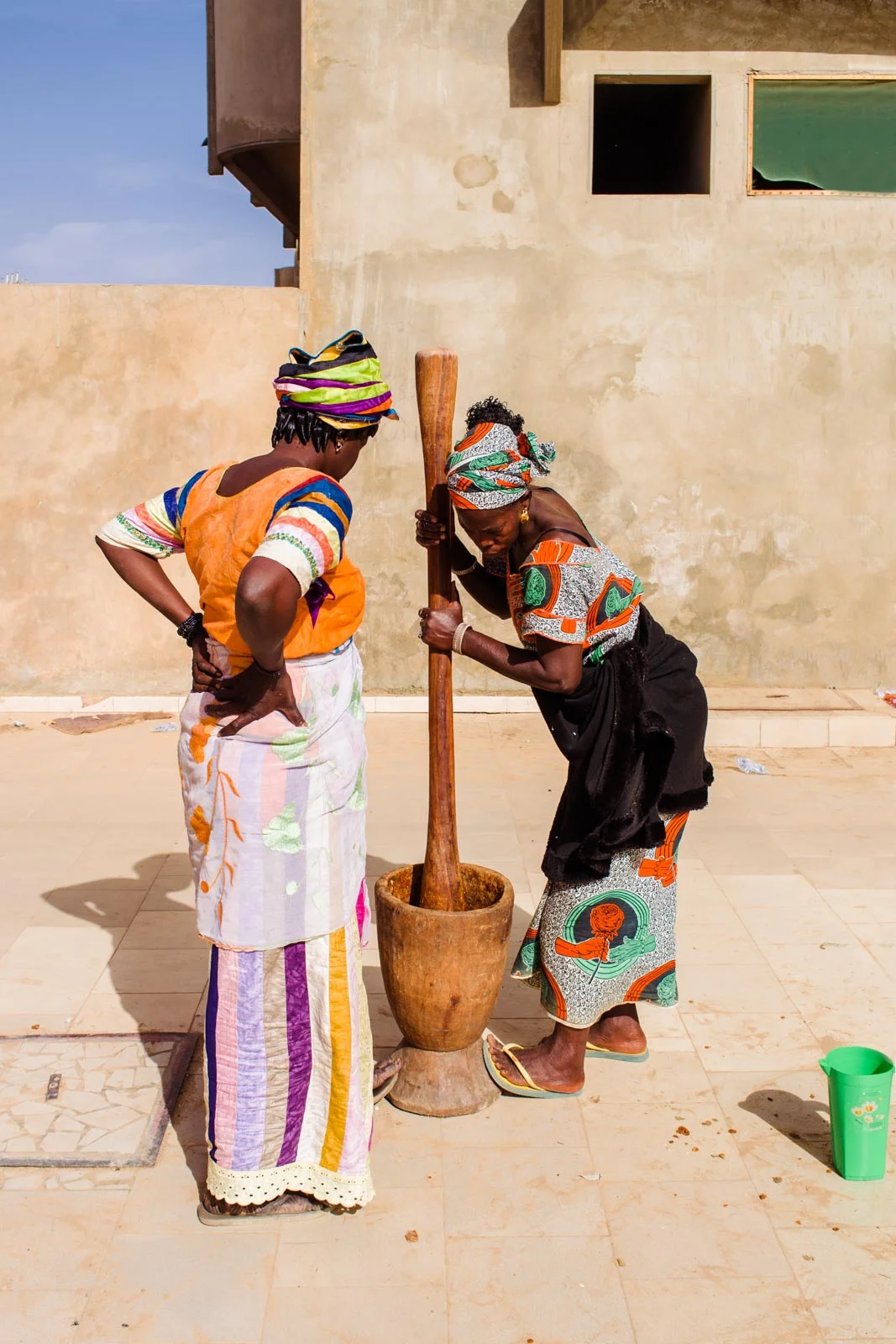
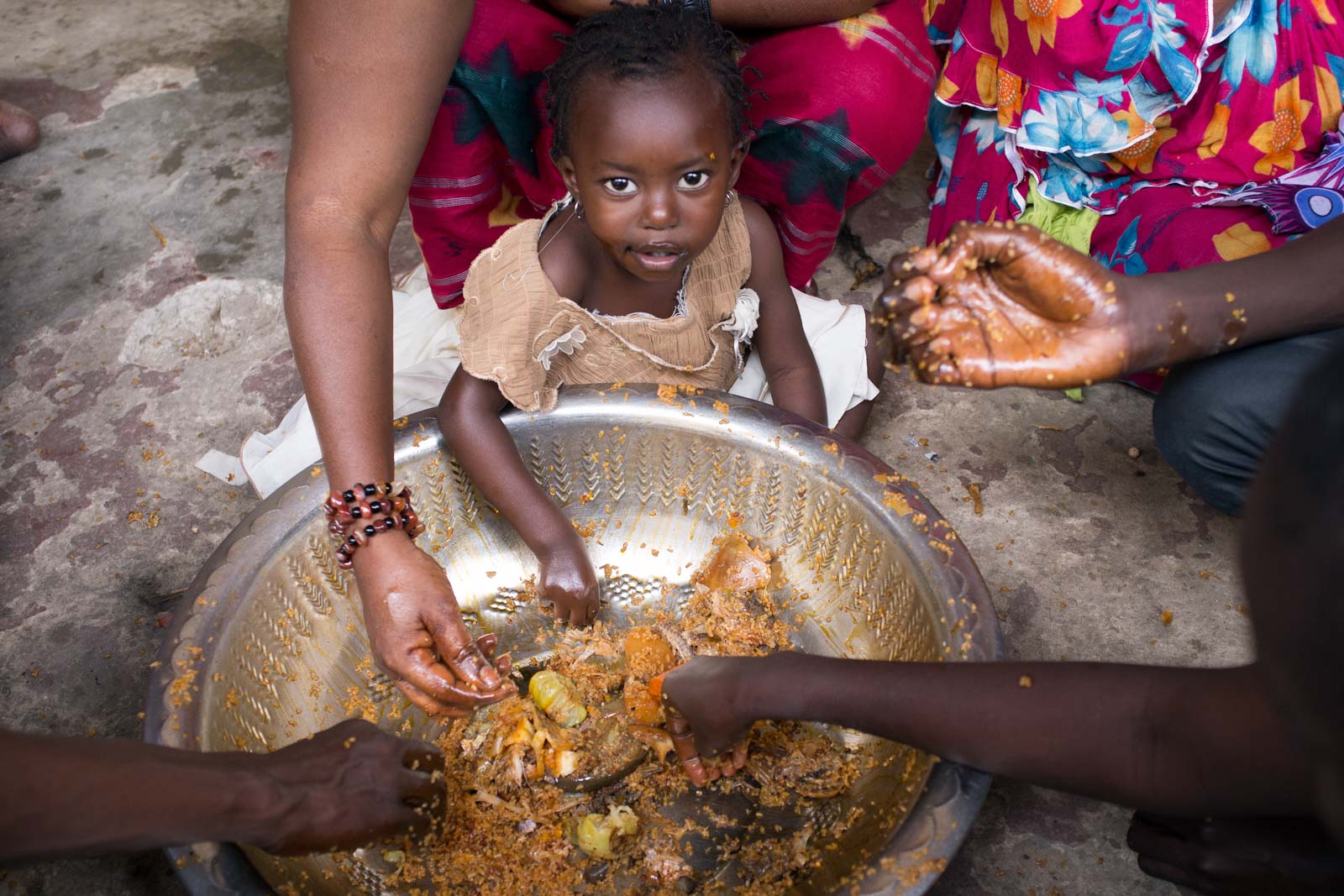
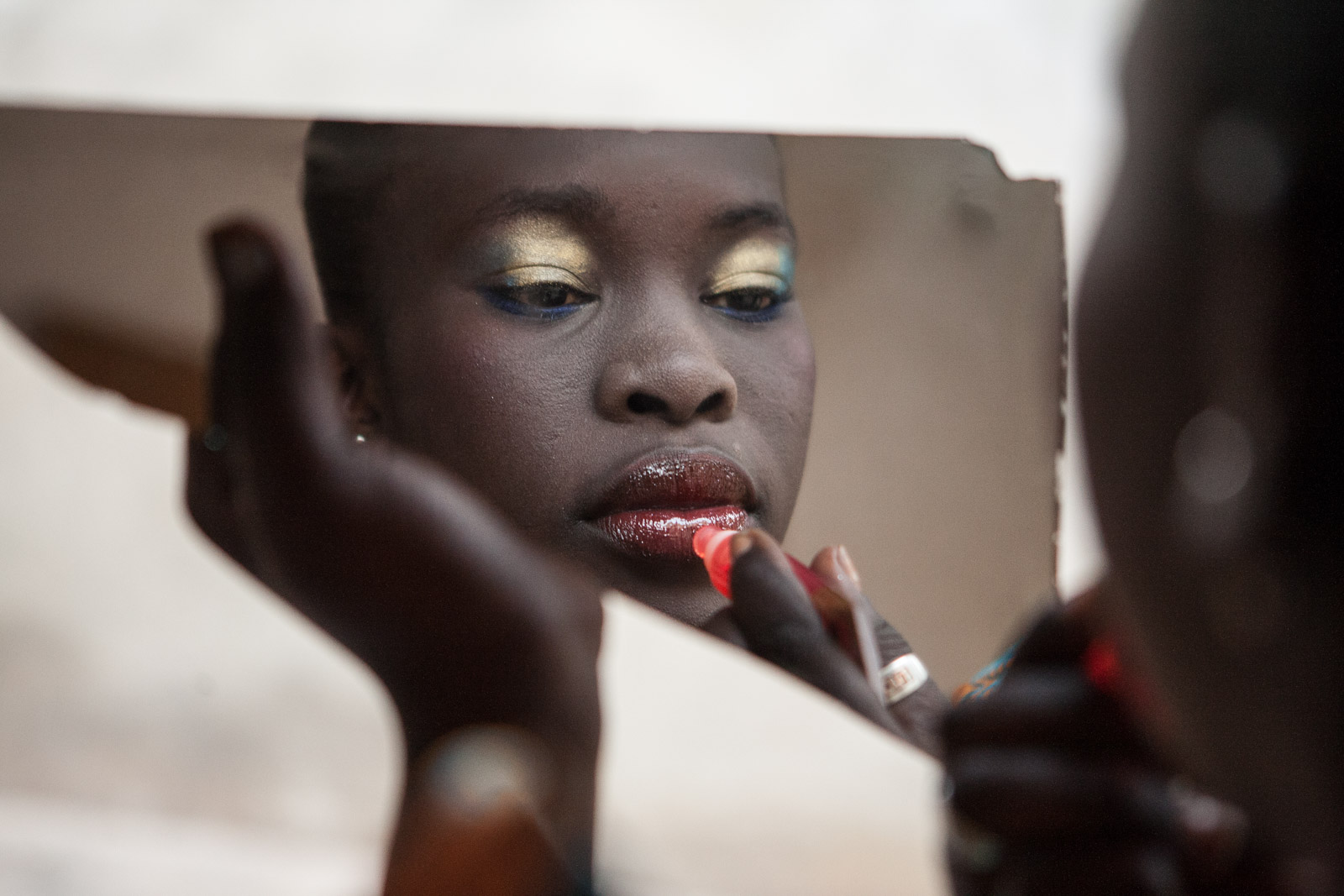
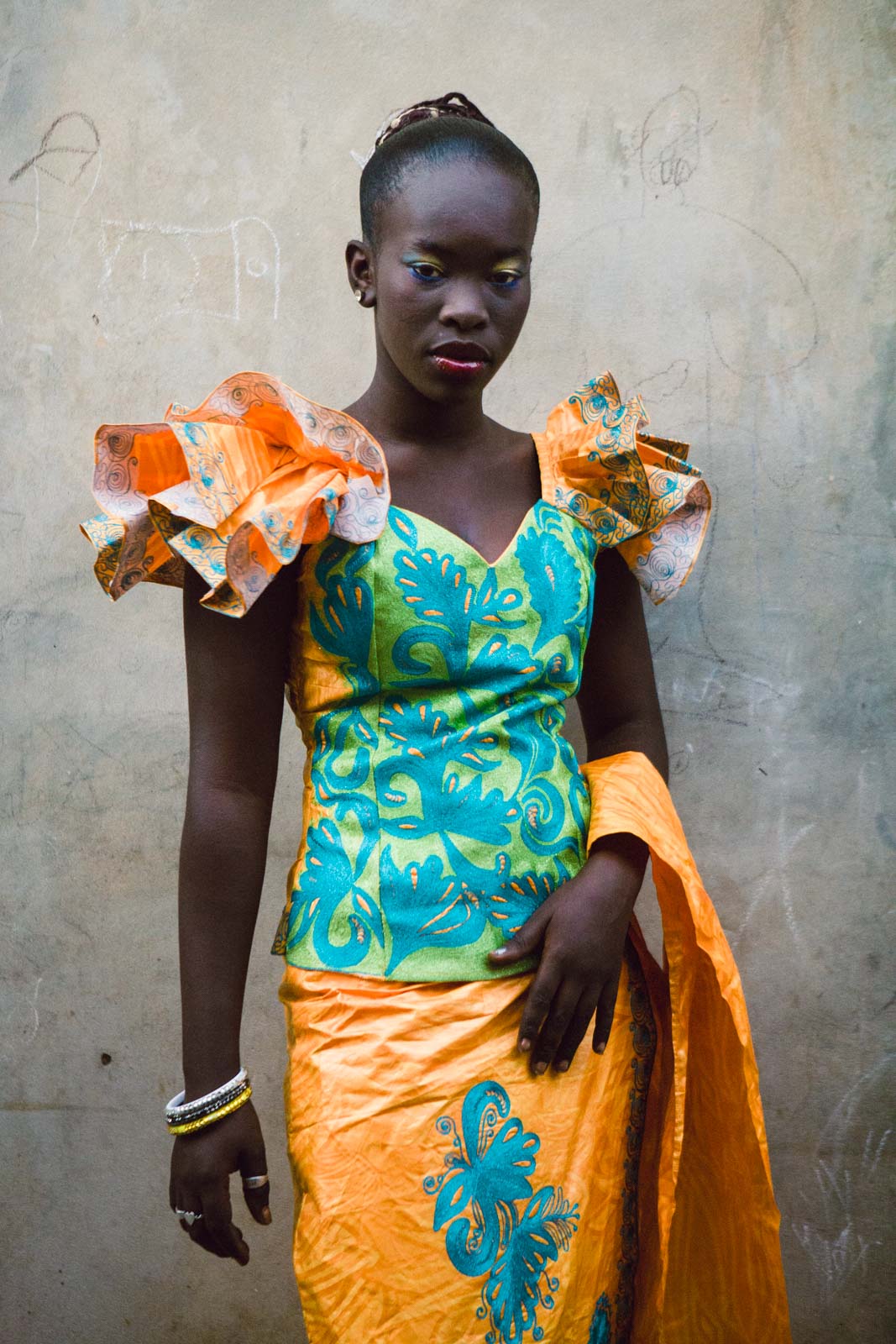
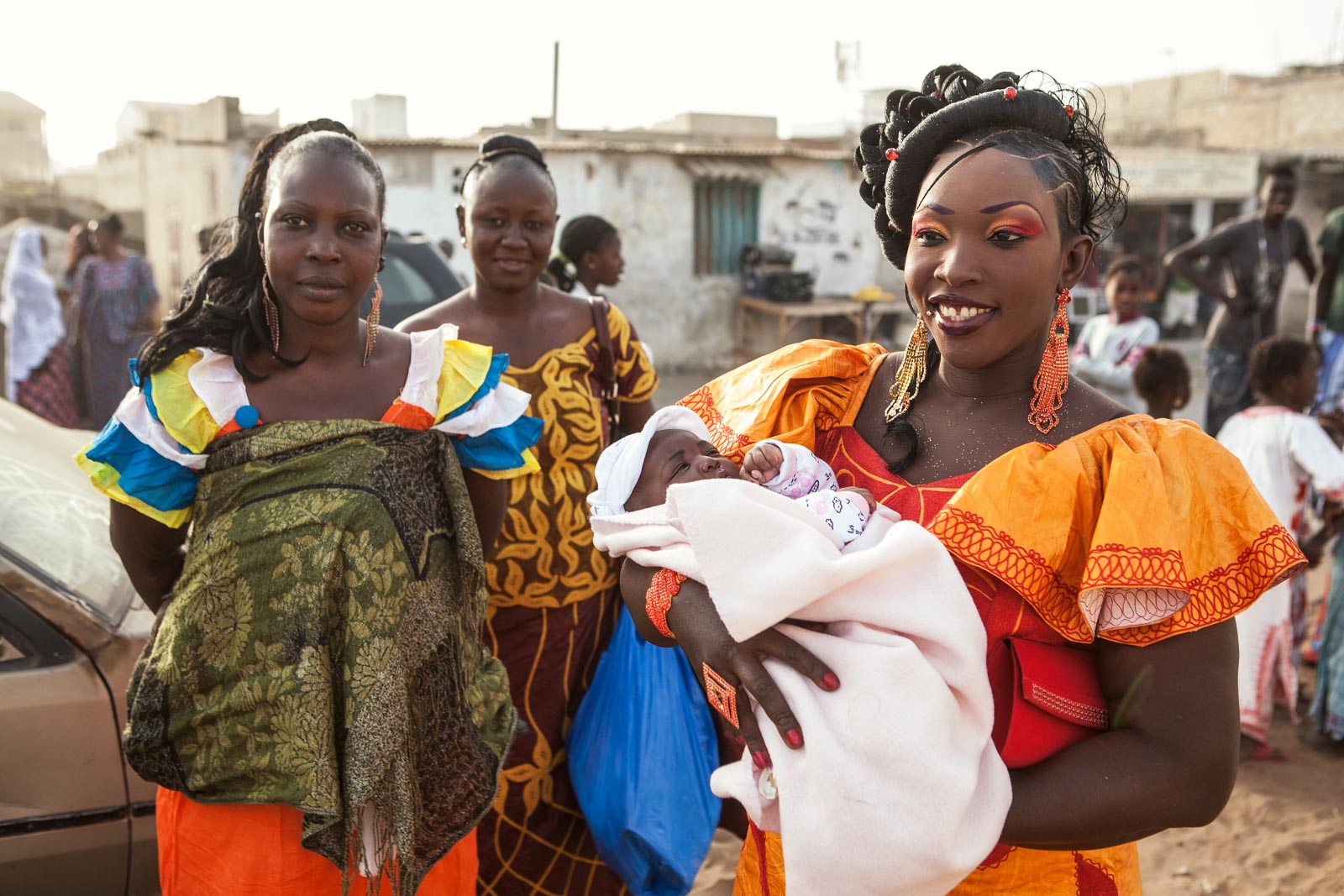
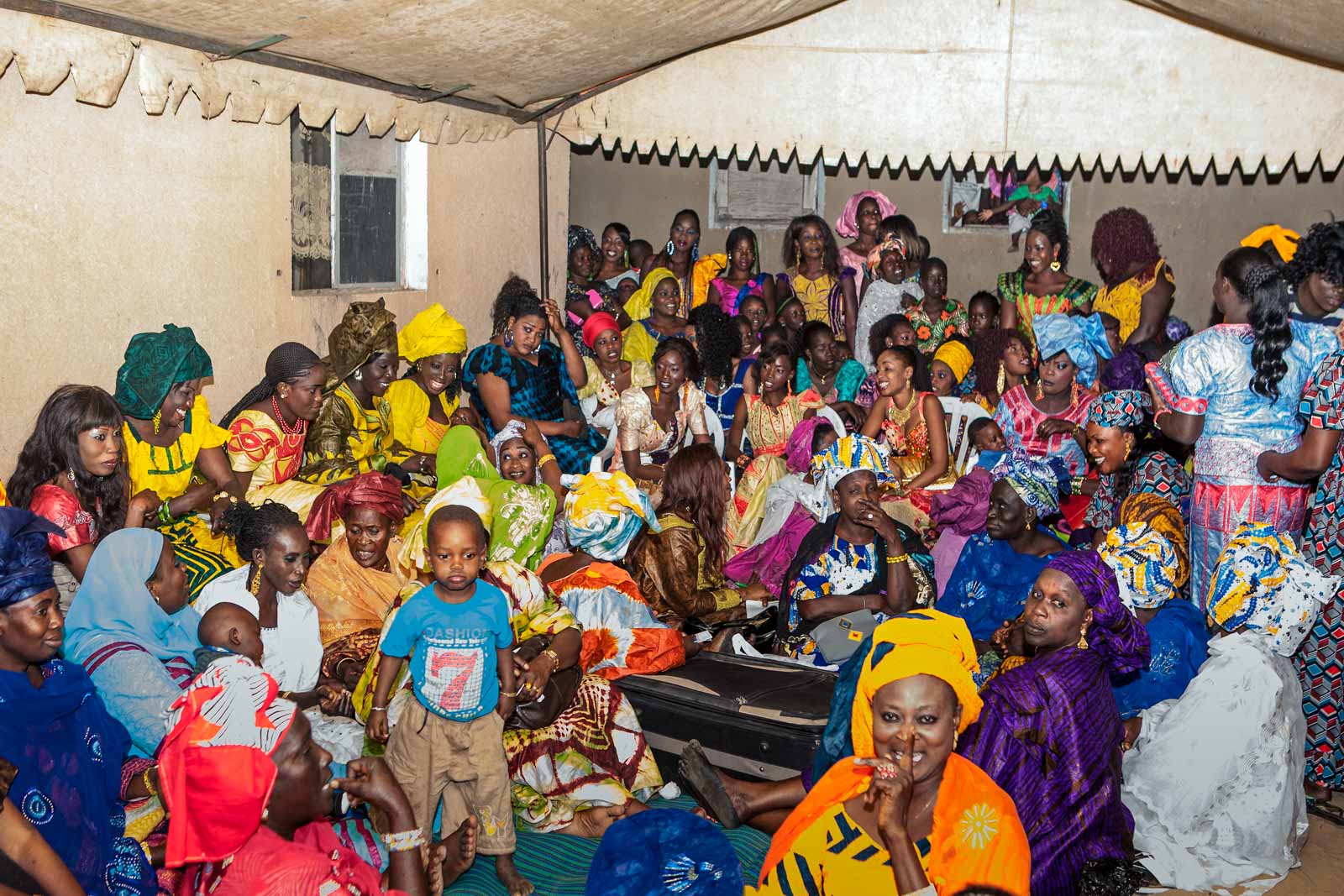
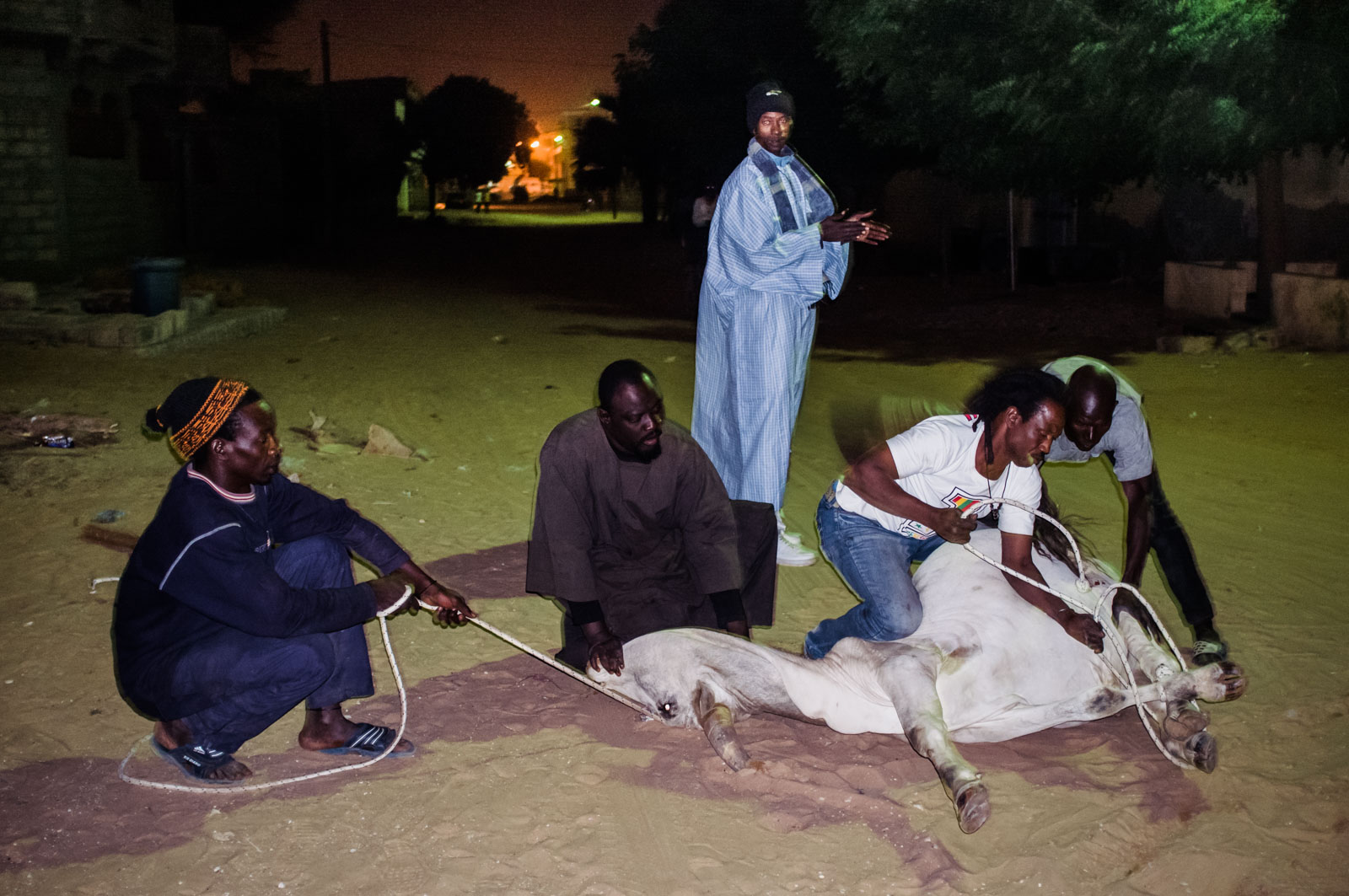
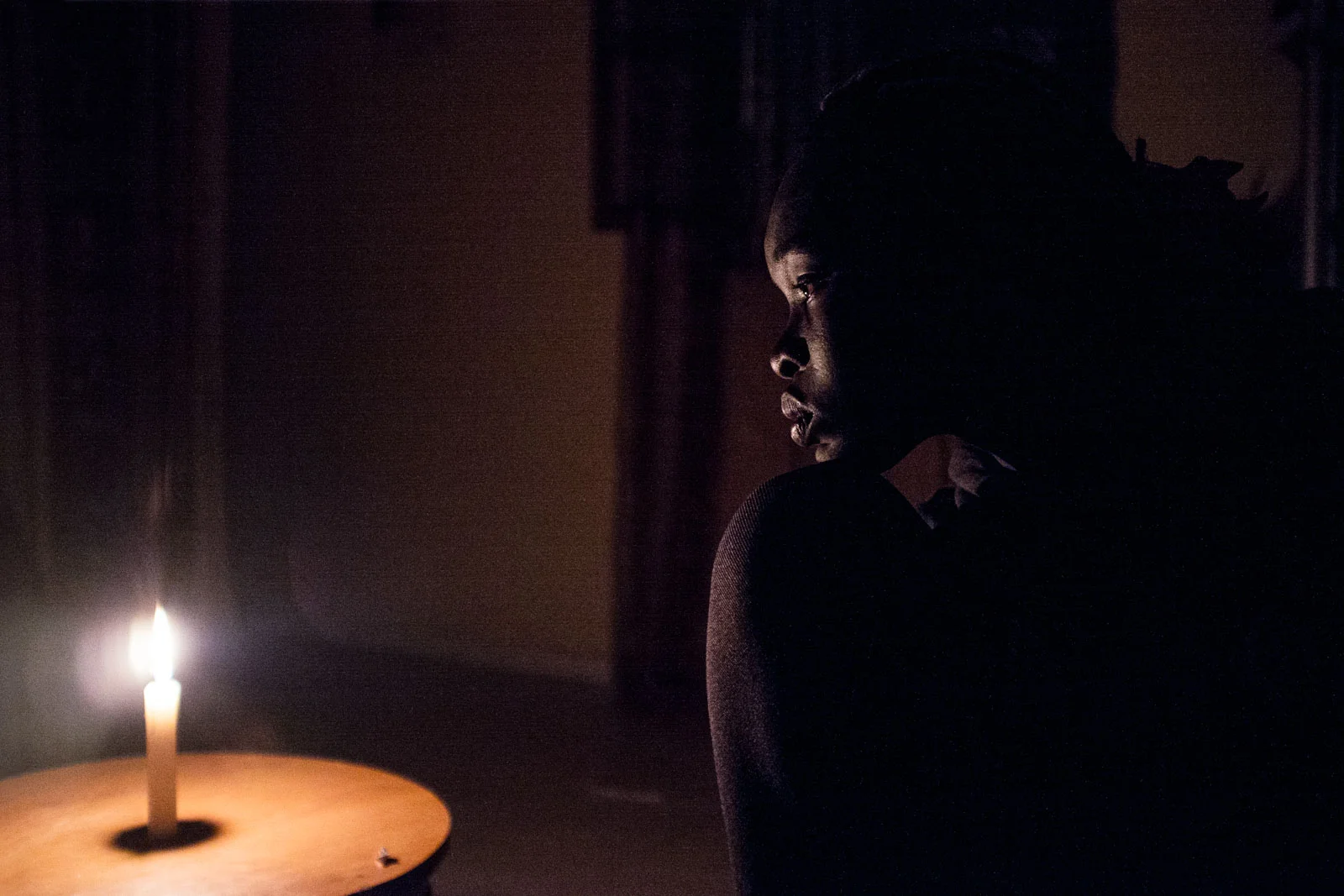
Family and community remain central to life in the city. Weddings and baptisms bring extended families together in celebrations marked by colorful clothing, elaborate preparations and shared rituals. While women cook, clean and braid one another’s hair, men gather to talk and drink tea. Despite economic hardship and limited opportunities, the community preserves its traditions and strong social bonds. At the end of the day, people greet one another with the word Inshallah — “God willing” — expressing a worldview shaped by faith, patience, acceptance and hope for the future.
Dakar, Senegal 2012